VIETNAM CHAMBER OF COMMERCE AND INDUSTRY
Liên Đoàn Thương Mại Và Công Nghiệp Việt Nam
Wed, Nov 11, 2026, 15:15:00
Organized since 2014, the Vietnam Corporate Sustainability Forum (VCSF) has served as an effective platform for exchange and dialogue among state management agencies, domestic and international partner organizations, and the business community on sustainable development orientations and practices.
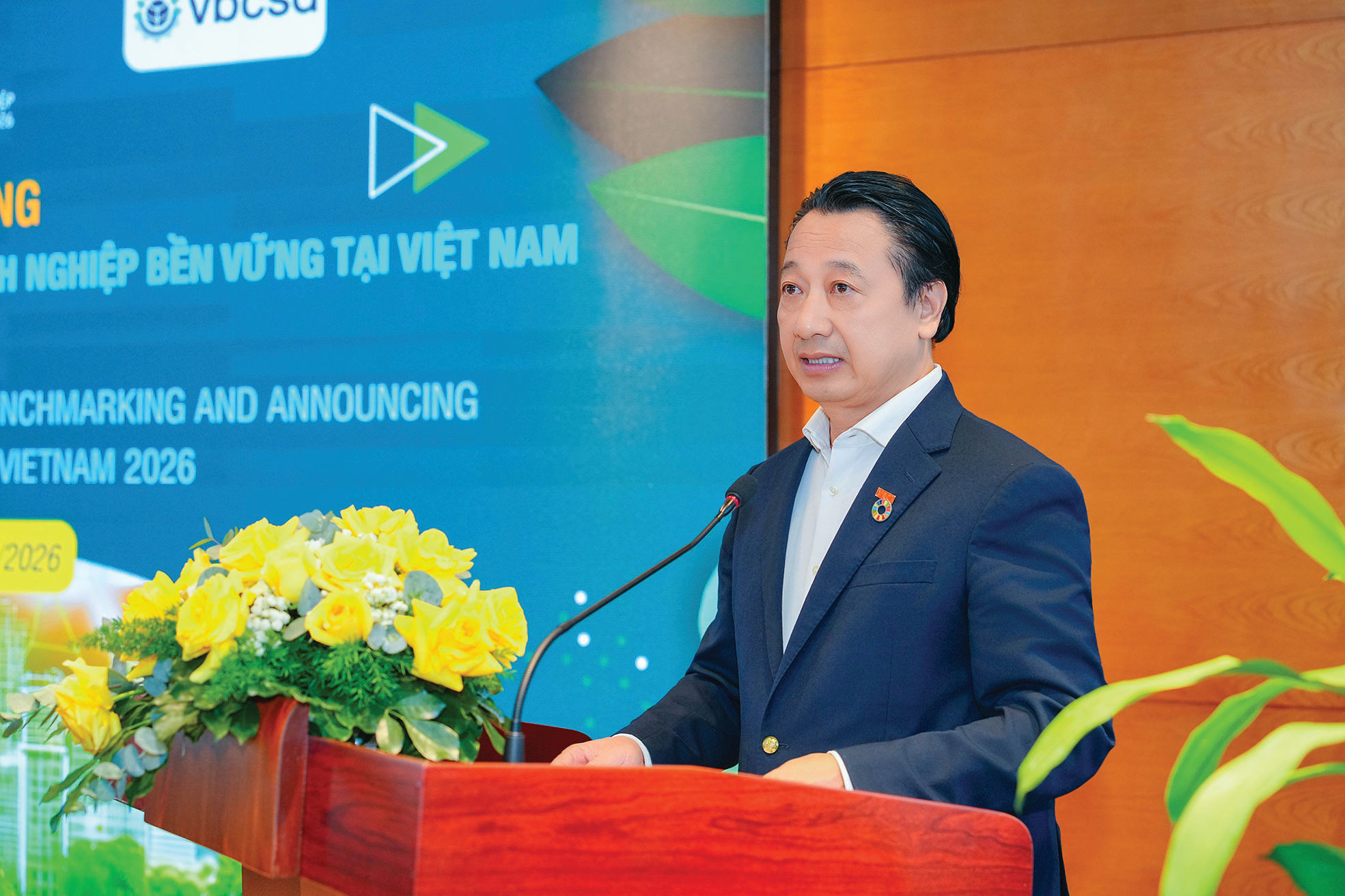
VCCI Vice President and Chairman of the Vietnam Business Council for Sustainable Development (VBCSD) Nguyen Quang Vinh, MBA, delivers remarks at the launch ceremony of the 2026 Programme for the Assessment and Recognition of Sustainable Businesses in Vietnam (CSI 2026).
In 2026, the VCSF will be held under the theme:
“Breakthrough Growth – Sustainable Development: Two Goals, One Journey”
- Time: 8:00 a.m. – 5:00 p.m., October 5, 2026 (Monday)
- Venue: Conference Room, Sheraton Hanoi West Lake Hotel, Hanoi
In this process, green transformation and digital transformation should not be viewed as two separate programmes or additional compliance requirements. Instead, they need to be integrated into a shared value-creation framework. This is precisely where the ambition for breakthrough growth meets the imperative of sustainable development.
Twin Transformation: Bridging the Gap Between Commitments and Implementation Capacity
Vietnam's business community has begun moving towards greener operations and deeper digitalization. Many large enterprises, export-oriented businesses and companies participating in global supply chains have invested in automation, energy management, traceability, emissions measurement and ESG disclosure. However, the level of implementation remains uneven. The most notable gap today is no longer simply one of awareness, but rather the ability to translate commitments into strategies, strategies into projects, and projects into measurable results.
Businesses therefore need to move from a mindset of “making commitments” to one of “building implementation capacity”. To gain better access to resources for transformation, a business needs a clear strategy, measurable targets, a sufficiently reliable data system, specific projects and the ability to demonstrate their effectiveness. In other words, businesses need to gradually build their “investment readiness” for the transformation process. This will become an increasingly important prerequisite as green finance becomes part of the capital allocation process across the economy.
Building a New Growth Ecosystem
One of the most important insights in promoting sustainable development is that no business can transform on its own. A green project needs capital; a new technology requires skilled human resources; a new product needs a market; and carbon-related requirements call for reliable measurement, reporting and verification systems. Therefore, twin transformation must be viewed as a challenge that concerns the entire business ecosystem.
The State needs to continue playing an enabling role by establishing a clear, stable and predictable institutional framework; developing energy, digital and data infrastructure; completing new market mechanisms; and creating a favourable environment for initiatives to be tested and scaled up. Businesses need to proactively invest in innovation, management and transformation capabilities while extending this journey across their entire value chains. Financial institutions need to become drivers of capital allocation for the future, accompanying businesses throughout the transformation process. Business associations and business support organizations need to strengthen their role in connecting knowledge and resources and facilitating policy dialogue.
In particular, transformation needs to be approached at the scale of the entire value chain. A large enterprise may achieve significant results within its own operations, but the competitiveness of the entire supply chain cannot be strengthened if its suppliers do not undergo transformation as well. Conversely, when leading businesses share standards, data, experience and access to resources with small and medium-sized enterprises (SMEs), the transformation process can spread more widely and create competitive strength across the entire ecosystem. Many major businesses in Vietnam have already taken the lead in driving value chains, including SABECO, Vinamilk, Nestlé Vietnam, Traphaco, Coca-Cola Vietnam, Unilever Vietnam, HEINEKEN Vietnam and C.P. Vietnam.
VCCI – VBCSD: From Connecting to Co-Creating
As the national organization representing the business community, VCCI, with the Vietnam Business Council for Sustainable Development (VBCSD) at its core, recognizes that its responsibility in this new phase goes beyond continuing to raise awareness of sustainable development. It must also contribute to transforming awareness into capacity, capacity into action, and individual initiatives into the collective strength of the entire ecosystem.
In this journey, the Corporate Sustainability Index (CSI), VCCI–VBCSD programmes supporting businesses in ESG practices, business networking activities and policy dialogues have all been working towards a common goal: helping businesses understand their current position, identify areas for improvement and gradually build the capacity to adapt to new market requirements. VBCSD's efforts to promote specialized networking platforms also reflect an important shift: from discussing sustainable development to working alongside businesses to address the specific challenges of the transformation process.
The 2026 Vietnam Corporate Sustainability Forum (VCSF) will continue to be organized in this spirit, under the theme “Breakthrough Growth – Sustainable Development: Two Goals, One Journey”. The Forum also poses a question to today's business community. The question is no longer simply whether businesses should transform, but how quickly and how deeply they should do so, and how every investment in green development, digitalization and innovation can simultaneously become an investment in productivity, competitiveness and new value creation.
I believe that, with their aspirations to advance, spirit of innovation and support from an increasingly well-developed ecosystem, Vietnamese businesses can turn the requirements of the transformation process into new drivers of growth. In this way, breakthrough growth and sustainable development will no longer be two parallel paths, but two dimensions of the same journey towards a more dynamic, greener and more competitive Vietnamese economy that creates greater sustainable value for future generations.
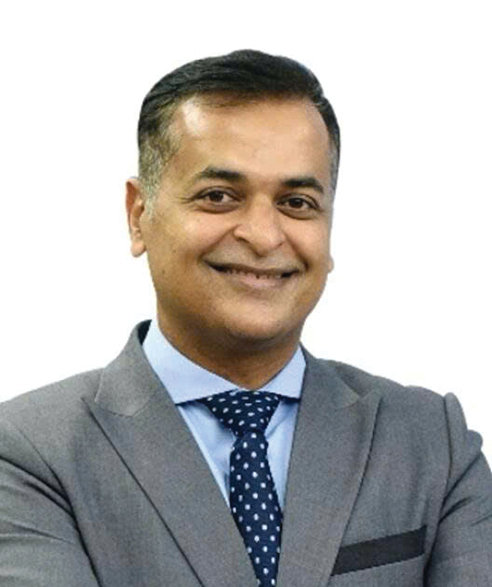
Mr. Binu Jacob – General Director of Nestlé Vietnam: Accompanying Farmers
When I think about Nestlé Vietnam's sustainable development journey, I always picture Robusta coffee beans being cultivated and harvested in the Central Highlands.
More than a decade ago, when we launched the NESCAFÉ Plan, we faced the challenge of persuading tens of thousands of farming households to change their cultivation practices to adapt to increasingly unpredictable and extreme climate change. To overcome this challenge, we chose to accompany farmers through training activities, providing high-yield, disease-resistant coffee seedlings and offering guidance on water-efficient irrigation practices.
To date, more than 23,000 farming households have adopted sustainable farming practices in accordance with 4C standards, helping them save 40–60% of irrigation water and reduce the use of fertilizers and pesticides by 20%. This demonstrates that, when implemented properly, sustainable development is an investment in productivity and farmers' long-term livelihoods, rather than a cost burden.
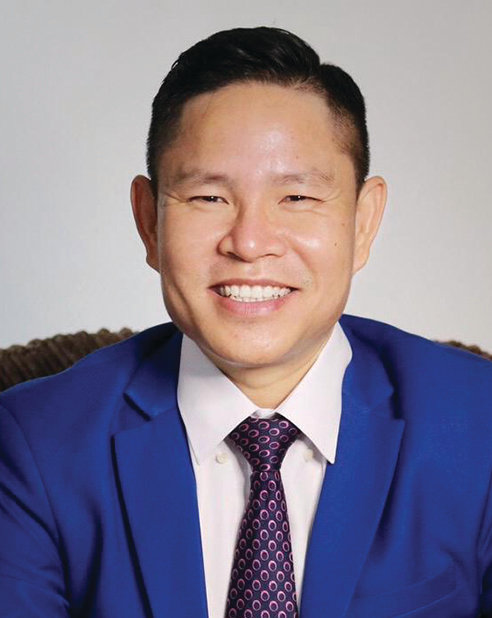
Mr. Bui Khanh Nguyen – Deputy General Director of Public Affairs, Communications and Sustainability, Coca-Cola Vietnam: Promoting a Closed-Loop Circular Economy
At Swire Coca-Cola Vietnam, sustainability is not reflected solely in individual projects; it is integrated throughout the way we operate and develop our business. Our environmental and social commitments are guided by the shared sustainability strategy, “Our Choice, Our Future”, which focuses on three key pillars: Products, People and the Planet.
One clear example is our approach to packaging. Rather than focusing solely on post-consumer collection, we aim to promote a more closed-loop approach to packaging – from increasing the use of recycled plastic in our products and collaborating on collection initiatives to connecting with recycling partners so that recovered PET bottles can enter a new life cycle. In parallel, we continue to invest in water-use efficiency, renewable energy and production technologies.
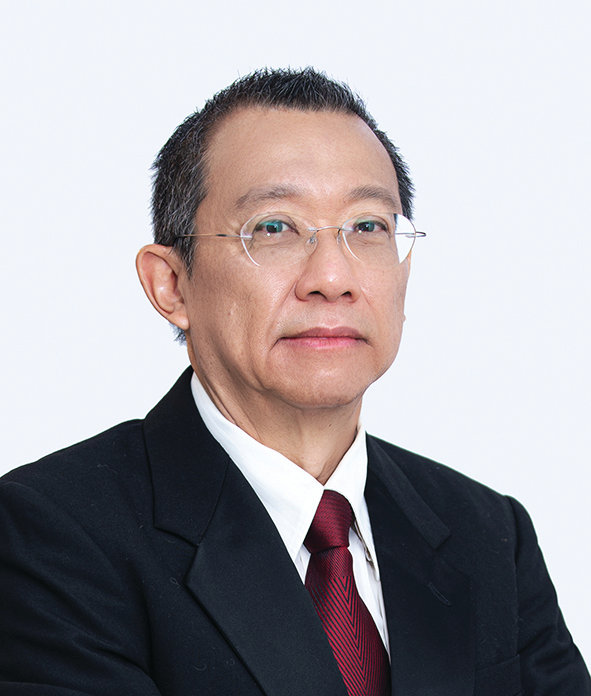
Mr. Lee Chio Lim Larry – Deputy General Director in charge of Strategic Assets and Sustainability, SABECO: Sustainable Growth Must Be Shared
Looking back on SABECO's green transformation journey, we recognize that sustainable development and business performance are closely interconnected.
Improving energy efficiency, reducing material losses, managing water resources responsibly and continuously optimizing production operations not only help reduce environmental impacts but also strengthen operational capabilities, adaptability and long-term competitiveness. Therefore, rather than treating ESG as a separate activity, we focus on integrating sustainability principles into every decision, investment and day-to-day operation.
Sustainable growth must be shared. Long-term success can only be achieved when employees, suppliers and partners develop and adapt together. By strengthening capabilities and promoting cooperation throughout the value chain, we aim to generate broader positive impacts.
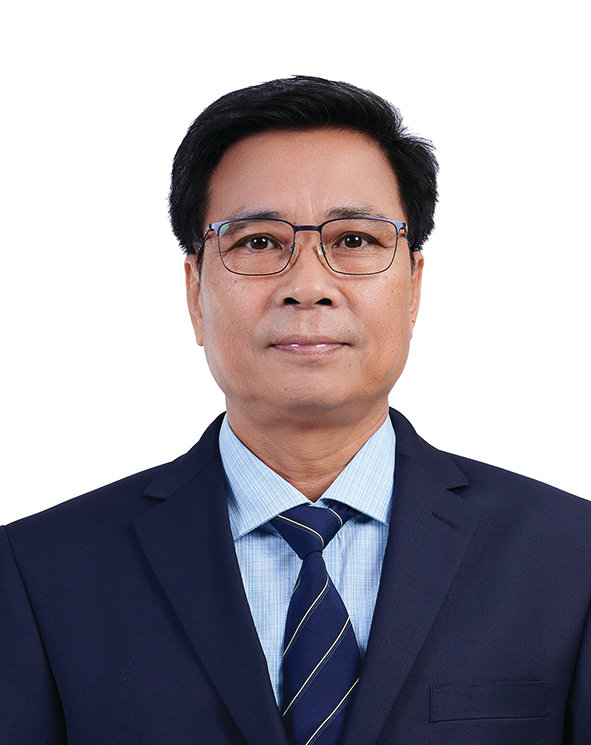
Mr. Le Hoang Minh – Executive Director of Manufacturing and Head of the Net Zero Project, Vinamilk: Choosing the Right Direction
Vinamilk currently operates an extensive system comprising 14 green farms across the country and 14 modern technology-driven factories, and has established a cumulative presence in 63 export markets.
Given this scale, we are even more conscious of our responsibility to take the lead in green transformation, not only for our own business but also in contributing to Vietnam's sustainable development and net-zero emissions goals.
From our practical experience, we have found that businesses do not necessarily need to start with large-scale projects. What matters is starting in the right way: with emissions inventories, energy optimization, technology and operational thinking. Once the right direction has been chosen, every small step can accumulate to create major change.