VIETNAM CHAMBER OF COMMERCE AND INDUSTRY
Liên Đoàn Thương Mại Và Công Nghiệp Việt Nam
Thu, Sep 03, 2026, 14:40:00
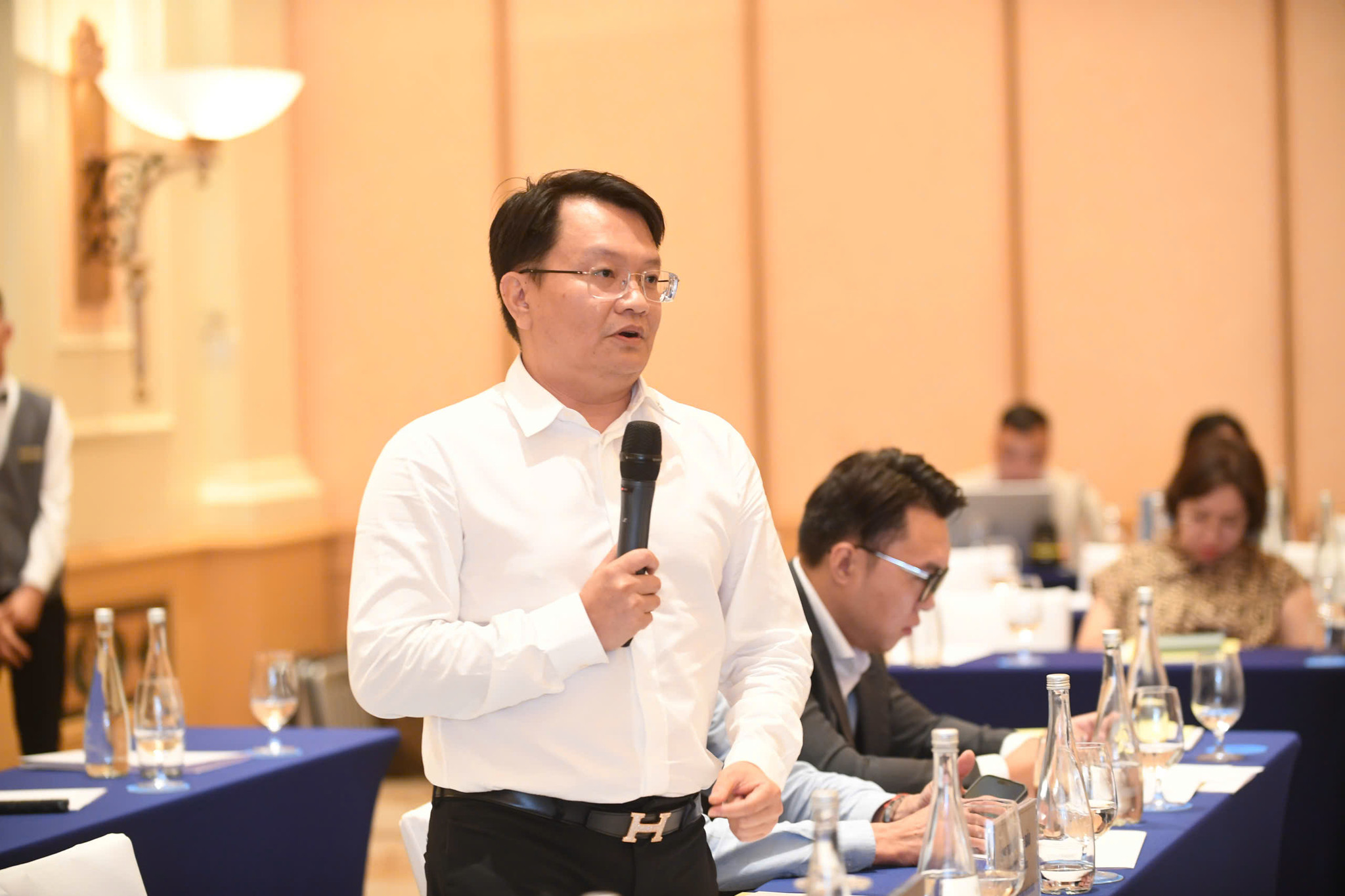
Mr. Tran Quoc Bao, Chairman of the Da Nang Business Association and Chairman of the Board of Directors of VN Da Thanh Group Joint Stock Company
According to Mr. Tran Quoc Bao, many businesses are facing difficulties in accessing credit to continue implementing their projects. The main reason is that the projects have been suspended for extended periods due to inspections, audits and legal reviews following conclusions issued by competent authorities. This has disrupted business and production activities, resulting in revenues and financial indicators that do not fully meet the normal lending requirements of credit institutions.
“The financial obligations arising from these projects are essentially a consequence of their prolonged suspension for inspection and audit purposes. Now that the projects are being considered for resolution, investors have limited legal grounds to generate cash flow or immediately meet the conditions for credit, guarantees and capital mobilization to fulfill their financial obligations,” Mr. Tran Quoc Bao said.
Based on practical implementation, Mr. Tran Quoc Bao proposed studying adjustments to the application of this principle to projects subject to resolution, allowing projects to resume implementation based on commitments by investors and project owners to fully fulfill their financial obligations in accordance with regulations, rather than requiring such obligations to be fully discharged before a decision is made to resume the projects. Once a project is permitted to resume, failure by the investor to fulfill, or fully fulfill, the committed financial obligations would be handled in accordance with the law.
The Chairman of the Da Nang Business Association recommended considering a flexible credit mechanism for projects and land plots included in the list of projects to be resolved under Resolution No. 29/2026/QH16, thereby enabling businesses to access capital to fulfill their financial obligations and accelerate project implementation. This is particularly important as businesses face difficulties in meeting conventional lending requirements concerning financial performance, revenues, cash flow and profits, while also being affected by credit limits and prevailing interest rates offered by credit institutions.
In addition, Mr. Tran Quoc Bao proposed establishing a coordination and commitment mechanism among State management agencies, credit institutions and businesses for projects included in the list of projects to be resolved under Resolution No. 29/2026/QH16. Under this mechanism, credit institutions would consider committing to provide financing for businesses to fulfill land-related financial obligations; businesses would commit to using the funds for their intended purposes, fully fulfilling their financial obligations and implementing projects according to schedule; and competent State management agencies would issue commitments to coordinate and accelerate the completion of land-related legal procedures and the issuance of Certificates of Land Use Rights and Ownership of Assets Attached to Land in accordance with regulations once businesses have fully fulfilled their financial obligations. This would provide a legal basis for credit institutions to receive and manage collateral, while enabling businesses to resume project implementation and contributing to faster resolution of long-standing projects.
For housing projects for sale, Mr. Tran Quoc Bao proposed that the Government direct the Ministry of Finance, the State Bank of Vietnam, and the Ministry of Agriculture and Environment to study allowing a mechanism for the mortgage of purchase and sale contracts by second-party buyers. Accordingly, where housing units have not yet been constructed or completed but the project already has a Certificate of Land Use Rights, buyers would be permitted to use purchase and sale contracts as a basis for obtaining bank loans and registering collateral over the land use rights of the project in accordance with regulations. This mechanism would enable buyers to access funds to make payments to businesses, thereby providing businesses with resources to continue project implementation.
Another bottleneck highlighted by Mr. Tran Quoc Bao concerns the reassessment of investors’ capacity to implement projects. He said that continuing to include the criterion of “investor’s capacity to implement the project” in the review process is inconsistent with the nature of the special mechanism, which is intended to resolve legal difficulties and obstacles facing long-standing projects. Reassessing investors’ capacity would create additional administrative procedures and prolong the processing of applications. Continuing to reassess investors’ capacity under existing criteria could result in overlapping assessments and a “nested administrative procedure” situation, which is inconsistent with the objective of shortening the time required to resolve long-standing projects.
According to Mr. Tran Quoc Bao, most projects subject to the special mechanism have already undergone inspections, audits and legal reviews and have relevant dossiers, conclusions and handling documents issued by competent State authorities. Therefore, reassessing investors’ capacity under existing criteria would both prolong the resolution process and duplicate matters already considered by State authorities during project implementation.
Notably, Mr. Tran Quoc Bao noted that reassessing financial capacity based on enterprises’ financial statements could create a vicious cycle in efforts to resolve these projects. Most projects subject to the special mechanism have been suspended for extended periods due to legal obstacles, inspections, audits or policy changes, rather than any fault on the part of the investors. During the suspension period, businesses have been unable to carry out investment activities or generate revenues from the projects, resulting in weakened financial capacity.
Accordingly, Mr. Tran Quoc Bao proposed not reassessing the “investor’s capacity to implement the project” for projects subject to the special mechanism, but instead assessing their ability to resume implementation based on implementation plans for the next phase. At the same time, he proposed allowing the results of reviews, conclusions and documents already issued by competent State authorities during the project resolution process to be carried forward, limiting requests to repeat matters that have already been considered and assessed. This would help shorten the resolution process and improve the effectiveness of the special mechanism.
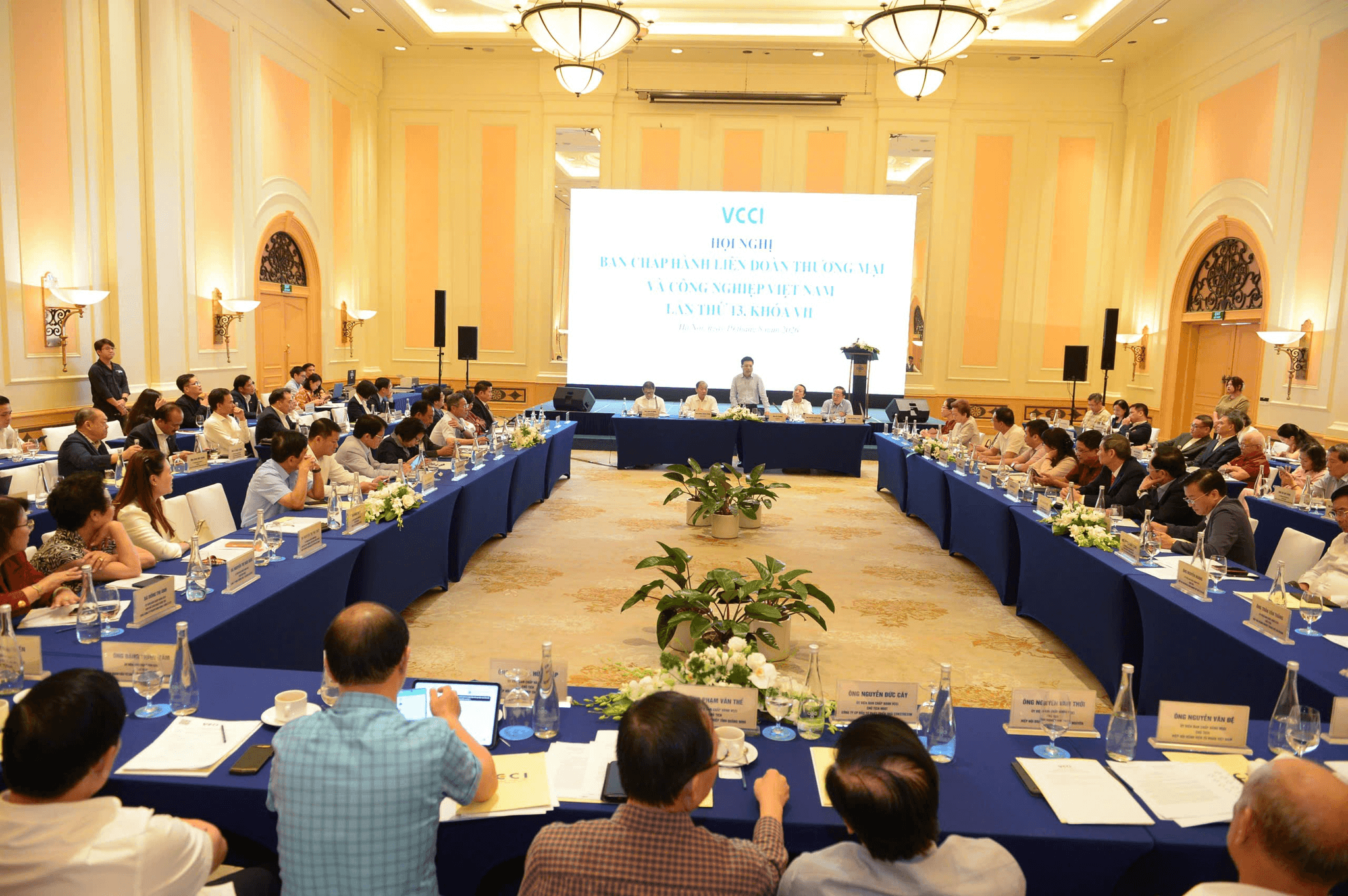
On August 19, the Vietnam Chamber of Commerce and Industry (VCCI) held the 13th Meeting of the VCCI Executive Committee, 7th tenure.
According to him, investors should be allowed to demonstrate their capacity to resume project implementation through a financial plan for restarting the project, including credit commitments from credit institutions, project performance guarantees, capital mobilization plans or other lawful financial sources, rather than relying solely on financial statements for the years during which the projects were stalled. At the same time, it is necessary to study the classification of projects so that appropriate assessment criteria can be applied to each group.
Based on the issues outlined above, Mr. Tran Quoc Bao called on competent authorities to give due consideration and take action to remove obstacles, facilitate access to funding, accelerate the resolution of long-standing projects, and enable eligible projects to resume implementation as soon as possible.