VIETNAM CHAMBER OF COMMERCE AND INDUSTRY
Liên Đoàn Thương Mại Và Công Nghiệp Việt Nam
Fri, Jul 04, 2025, 03:33:00
In the context of many fluctuations in global geopolitics and trade, combined with the risk of narrowing opportunities to access the US market due to increasingly tightened trade defense measures and technical barriers, Europe has emerged as a strategic market with great potential, stable demand and special openness for green, sustainable products. However, to effectively penetrate this market, Vietnamese enterprises need to be ready to face a series of increasingly strict green standards.

Ms. Le Thi Thu Thuy - Deputy Director of the Institute for Enterprise Development (VCCI) delivered a speech at the Opening Ceremony of the Training Course
Facing that reality, the Vietnam Chamber of Commerce and Industry (VCCI), with the support of experts from EY Vietnam, organized an intensive training course "Updating businesses on green standards applicable to goods exported to the European market". The training course attracted the participation of many leaders and business representatives.
The training course aims to support Vietnamese businesses to promptly adapt and take advantage of opportunities to expand exports to the European market. The program provides updated information on important green standards in the European market and regulations related to emissions, packaging, and sustainable supply chains.
Speaking at the opening ceremony of the training course, Ms. Le Thi Thu Thuy - Deputy Director of the Enterprise Development Institute (VCCI) emphasized that the training course is a valuable opportunity for Vietnamese export enterprises to equip themselves with the necessary knowledge and skills to meet the increasingly high requirements of the European market, thereby improving their competitiveness and sustainable development in the context of deep international economic integration.
“Participating in this training course not only helps enterprises grasp new regulations but also creates conditions for them to connect and share experiences with leading experts in the field, thereby building a network of mutual support in the green transition process. We believe that, with careful preparation and the support of organizations, Vietnamese enterprises will make solid progress on the path to sustainable development”, Ms. Le Thi Thu Thuy shared.
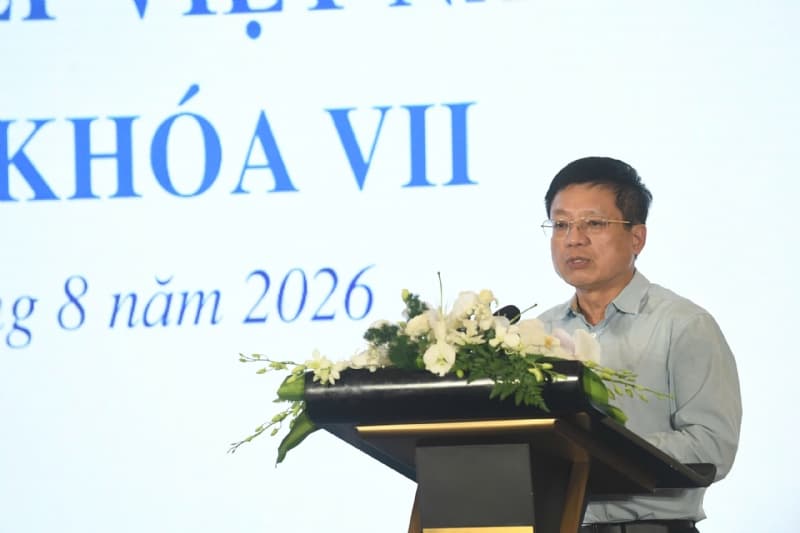
Sharing about the importance of the training course, Mr. Nguyen Viet Long - Deputy General Director, EY Vietnam, Main Lecturer of the training course said that the European Green Deal and accompanying standards such as CBAM, ESPR, FTF, EPR are not only challenges but also great opportunities for Vietnamese enterprises to reposition the value chain towards sustainability.

Mr. Nguyen Viet Long - Deputy General Director, EY Vietnam, the main lecturer of the training course shared about the importance of the Training Course.
“In this training course, we not only provide updated knowledge on the latest regulations but also delve into practical guidance, helping businesses assess the current situation, determine the transformation roadmap and effectively integrate ESG and circular economy factors into business operations and governance”, Mr. Nguyen Viet Long shared.
At the same time, he believes that understanding and complying with these standards is a key factor to ensure competitiveness, expand export markets and attract sustainable investment capital. He also committed to accompanying Vietnamese businesses on the green transformation journey.
The main content of the Training Course includes: Firstly, an overview of the European Green Deal (EGD). Introduces the ESG regulatory landscape in the EU and the European Green Deal's ambitious goal of promoting greenhouse gas emissions neutrality by 2050.
Secondly, guidance on implementing the ESG Sustainability Standards. Exporting enterprises need to implement the conversion and disclosure of information on sustainable development to meet the increasingly stringent requirements for goods exported to the European market. Enterprises will be guided on the 6-step process of conversion and reporting on ESG, including researching, assessing the current status of ESG, planning and integrating ESG, monitoring and reporting on ESG. The benefits and risks of integrating ESG are also clarified.
Thirdly, the Carbon Border Adjustment Mechanism (CBAM). Introduction to CBAM, scope of application (especially in the first-hit industries such as cement, steel, aluminum, fertilizer, electricity, hydrogen), implementation roadmap (transitional period 2023-2025, official period from 2026), and general guidance on how to prepare CBAM reports. Exporting enterprises need to provide detailed information on production processes, emissions (direct and indirect), and carbon costs paid in the exporting country (if any).

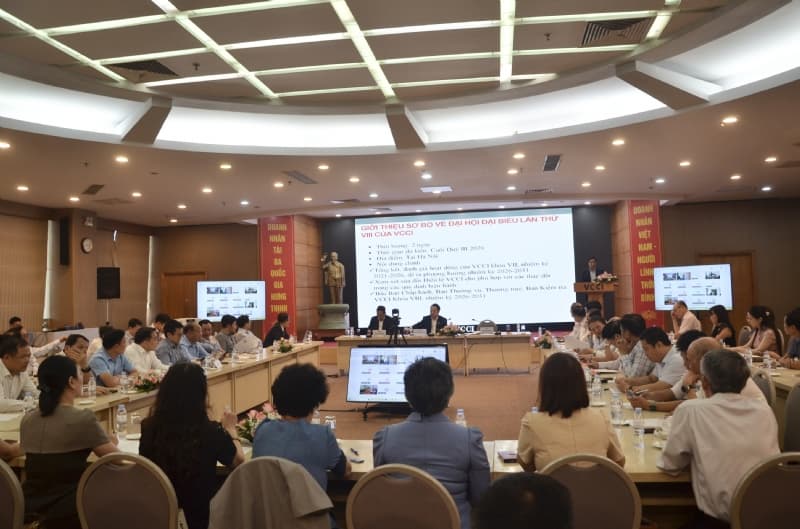
The training attracted about 100 business leaders and representatives.
Fourthly, the Ecodesign for Sustainable Products Regulation (ESPR). Emphasizes the goal of making products greener, more circular, and more energy efficient through ecodesign requirements. ESPR extends its scope to many physical product groups (iron, steel, aluminum, textiles, furniture, etc.) and introduces core requirements such as durability, upgradeability, repairability, and recyclability. A highlight is the introduction of the Digital Product Passport (DPP) to improve transparency and traceability of product lifecycle information.
Fifthly, the Farm to Fork Strategy (FTF): Introduces the FTF strategy as a core component of the EU Green Deal to comprehensively address the challenges related to sustainable food supply chains. The FTF's objectives include ensuring food security, maintaining high standards of safety and quality, minimizing environmental impacts, and specific targets for reducing the use of pesticides and antibiotics, and increasing organic farming areas by 2030. The affected sectors include agriculture, fertilizer and pesticide production, food processing, logistics, and retail.
Sixthly, Extended Producer Responsibility (EPR). The responsibility of manufacturers/importers is extended to the stage of product disposal. The EPR legal framework in Vietnam is detailed in the Law on Environmental Protection 2020 and related Decrees and Circulars. Enterprises are responsible for recycling products, packaging or collecting and treating waste according to mandatory rates and specifications or making financial contributions to the Vietnam Environmental Protection Fund. The course will guide the EPR compliance process, registration, declaration and reporting on the National EPR Portal.
Participating businesses will be guided in building a sustainable development transition roadmap and provided with information and reference sources on the main provisions of the European Green Deal. In addition, during the training course, experts will also share experiences on appropriate transition solutions.