VIETNAM CHAMBER OF COMMERCE AND INDUSTRY
Liên Đoàn Thương Mại Và Công Nghiệp Việt Nam
Fri, May 22, 2026, 15:30:00
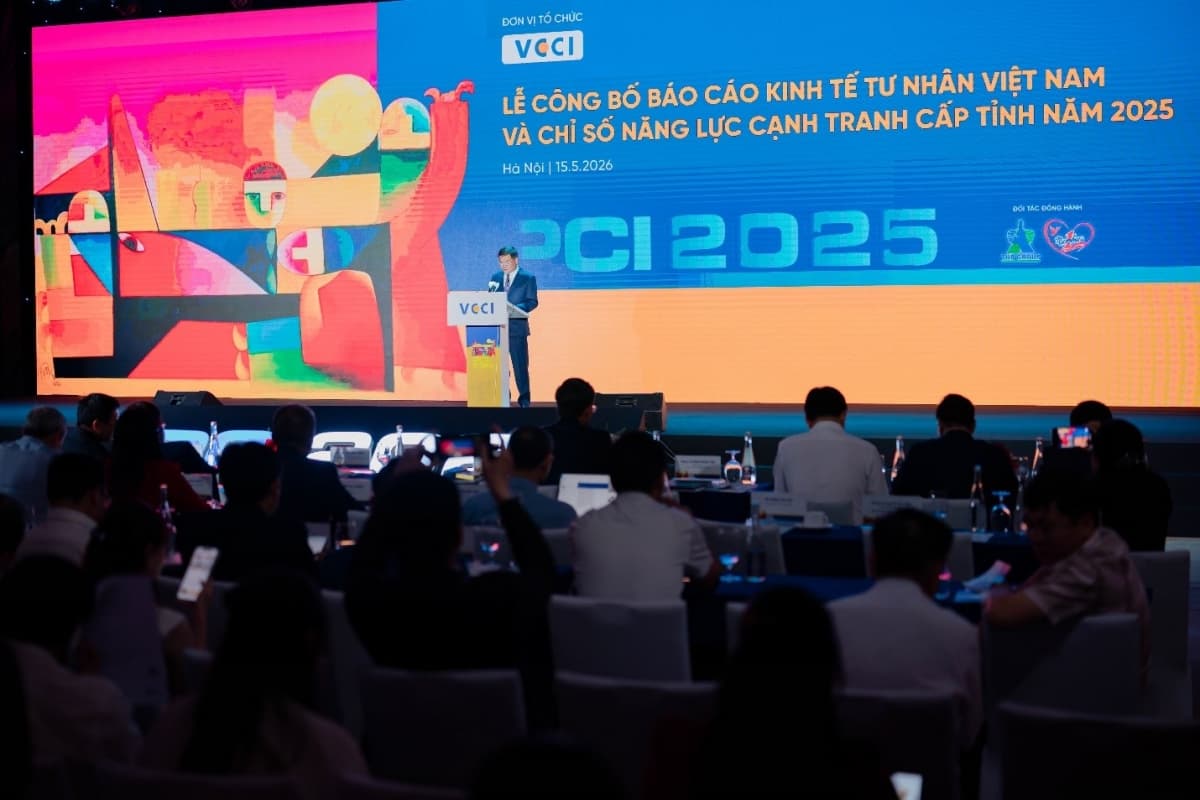
The recently released 2025 Provincial Competitiveness Index (PCI) report presents a forward-looking picture for Ho Chi Minh City. Within a newly restructured administrative landscape comprising 34 provinces and cities, Ho Chi Minh City has not only demonstrated the strength of its private sector through the country's highest BPI score but has also ranked among the 13 localities with "Fair" governance quality under PCI 2025.
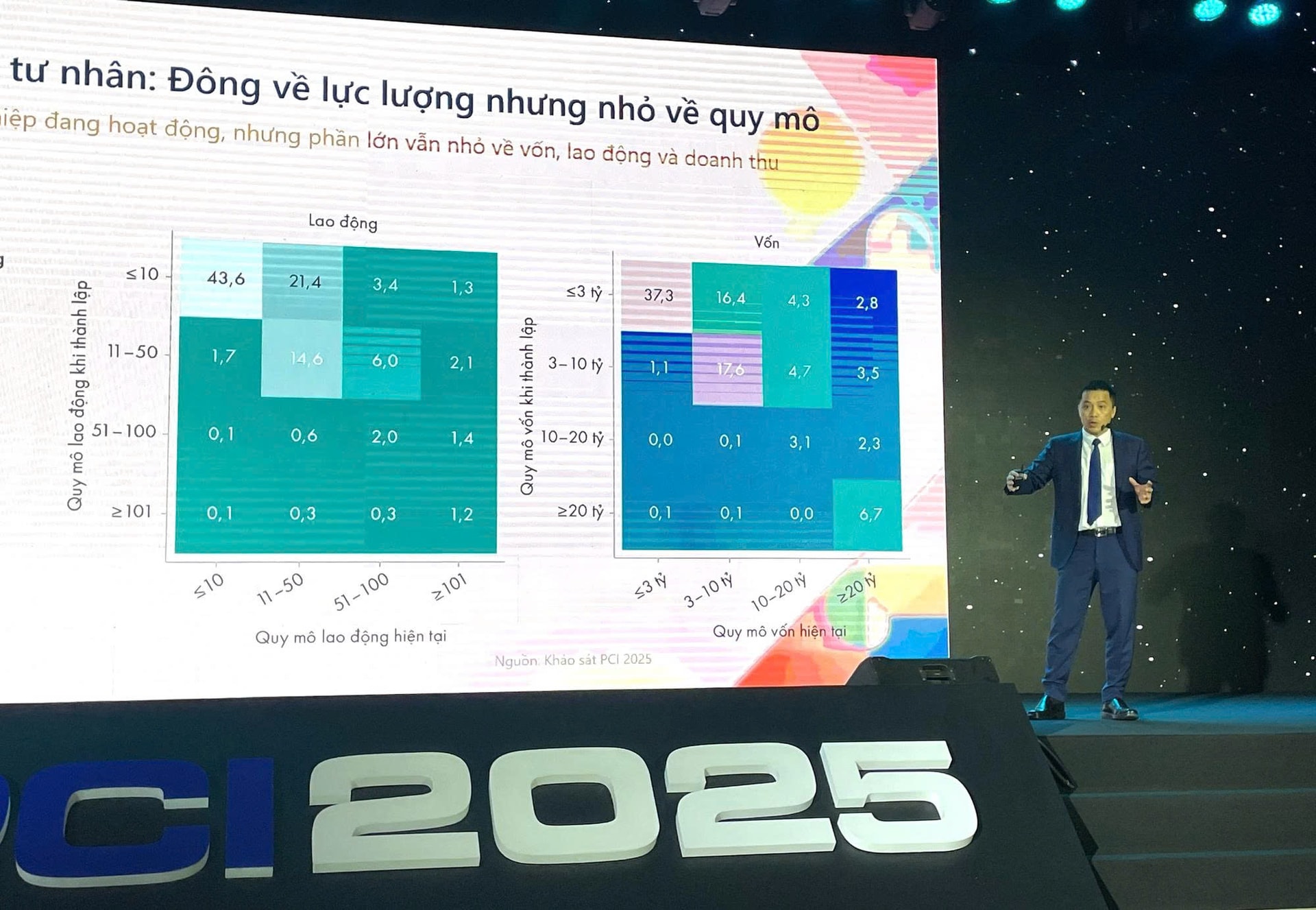 Mr. Dau Anh Tuan, VCCI Deputy Secretary General and Director of the Legal Department, presents the PCI 2025 report.
In a new development era, as Vietnam targets double-digit GDP growth from 2026 onward, Ho Chi Minh City's role has become increasingly significant. At the PCI 2025 announcement ceremony, the city emerged prominently under a new metric: the Business Performance Index (BPI).
According to VCCI's report, Ho Chi Minh City achieved a BPI score of 5.67, ranking first among all 34 provinces and cities and becoming the national leader in measuring the substantive strength of businesses. This performance reflects both the city's massive market scale and the depth of its innovation ecosystem (dimension 1 score: 5.19; dimension 2 score: 6.15).
The following figures not only highlight the city's strengths but also set a benchmark for other localities:
Record-high business density: 4.33 newly established businesses and 23.75 active businesses per 1,000 people — the highest nationwide.
Supply chain integration: 7.7% of private enterprises have entered multinational corporations' (FDI) supply chains.
Internal innovation capability: 10% of enterprises maintain dedicated research and development (R&D) departments.
These figures reinforce an important conclusion: Ho Chi Minh City remains the most fertile environment in Vietnam for business ideas to emerge and scale. Its ability to convert market potential into competitive advantages offers valuable lessons for other localities.
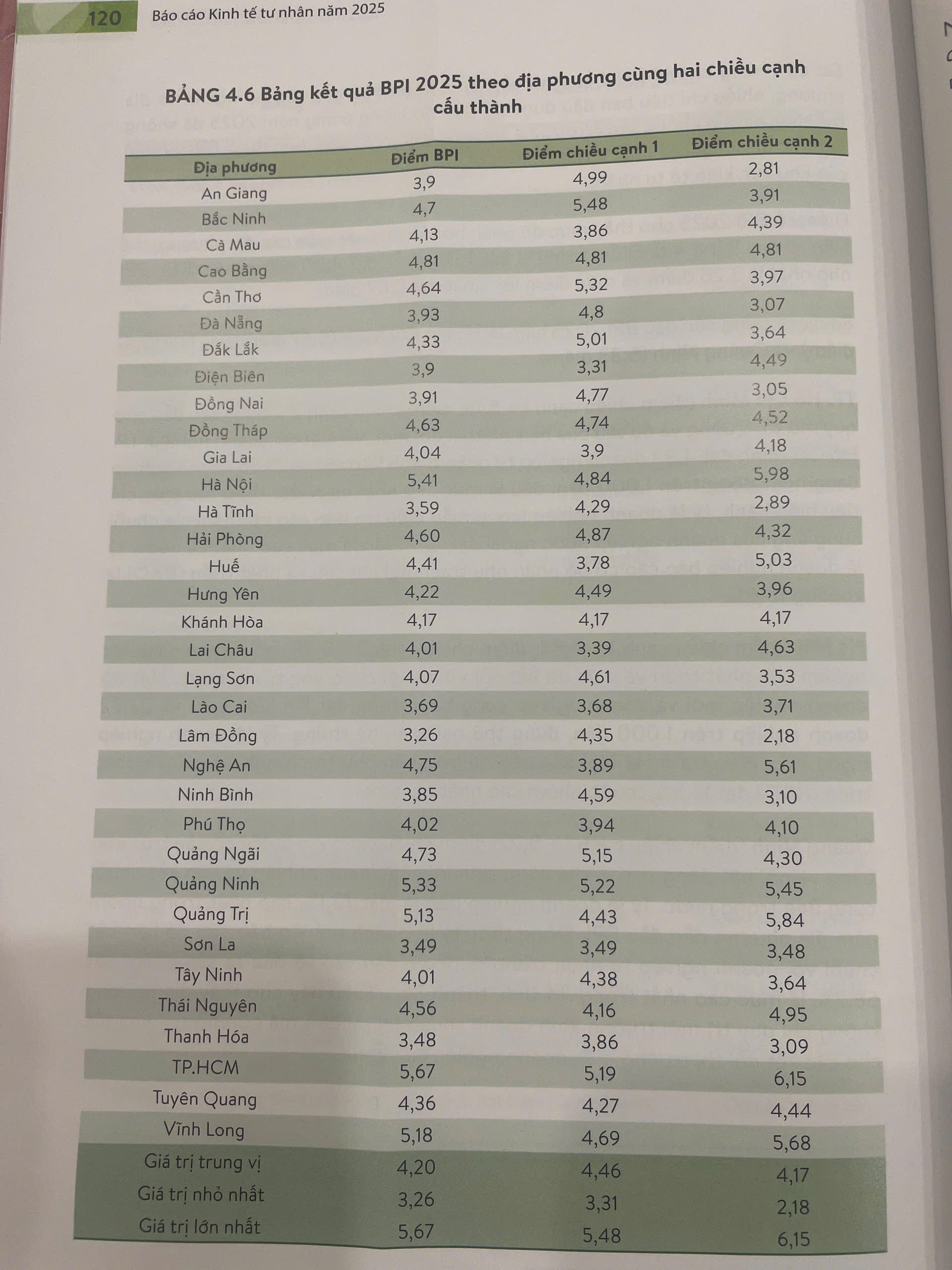 Ho Chi Minh City ranked first nationwide in the Business Performance Index (BPI) with a score of 5.67 among 34 provinces and cities.
While BPI indicates that businesses in the city remain strong thanks to market forces and internal capabilities, PCI component indicators suggest that the surrounding governance environment still faces multiple constraints.
To maintain its role as the country's economic locomotive, Ho Chi Minh City requires not only a vibrant market but also decisive reforms to remove administrative barriers and transform into a genuinely service-oriented and enabling government.
One positive indicator is Access to Resources, where the city ranked 8th with 6.28 points, reflecting progress in improving access to land, capital, business premises, credit and local data resources.
However, a deeper examination reveals concerning weaknesses relative to the city's status as a special urban center:
Business support policies ranked 11th with 5.61 points, still falling short of meeting the diverse needs of the business community.
Administrative compliance costs scored 7.52 and Legal Institutions scored 7.01, both ranking 12th nationwide, suggesting that businesses continue to spend significant time and resources on procedures and dispute resolution.
Market Entry scored 7.29, ranking 15th, while Proactive Government scored 5.38, ranking 16th, indicating challenges in shifting from a management mindset toward a service-oriented approach.
Most concerning is Transparency, where the city scored 6.93 and ranked 17th, while Informal Charges ranked 30th out of 34 with 6.77 points.
The low ranking for informal costs represents a significant concern. When businesses face unofficial payments to maintain operations, confidence in fairness and the rule of law can be undermined, threatening the sustainability of the city's leading BPI ecosystem.
To realize the objectives of Resolution No. 68-NQ/TW, which identifies the private sector as "the most important driver" of economic growth, Ho Chi Minh City needs breakthrough measures.
First, accelerate digitalization to improve transparency. The city should intensify efforts to publicly disclose planning and investment projects on digital platforms. Greater transparency through technology can help reduce opportunities for unofficial costs.
Second, transform public service thinking. The city's ranking of 16th in Proactive Government suggests that parts of the administrative system remain disconnected from business realities. A more substantive evaluation mechanism based on business and citizen satisfaction is needed.
Third, strengthen legal institutions to protect businesses. With its 12th-place ranking in legal institutions, the city needs stronger dispute resolution mechanisms and more effective law enforcement. Businesses require a reliable legal foundation to confidently invest in R&D and deepen integration into global supply chains.
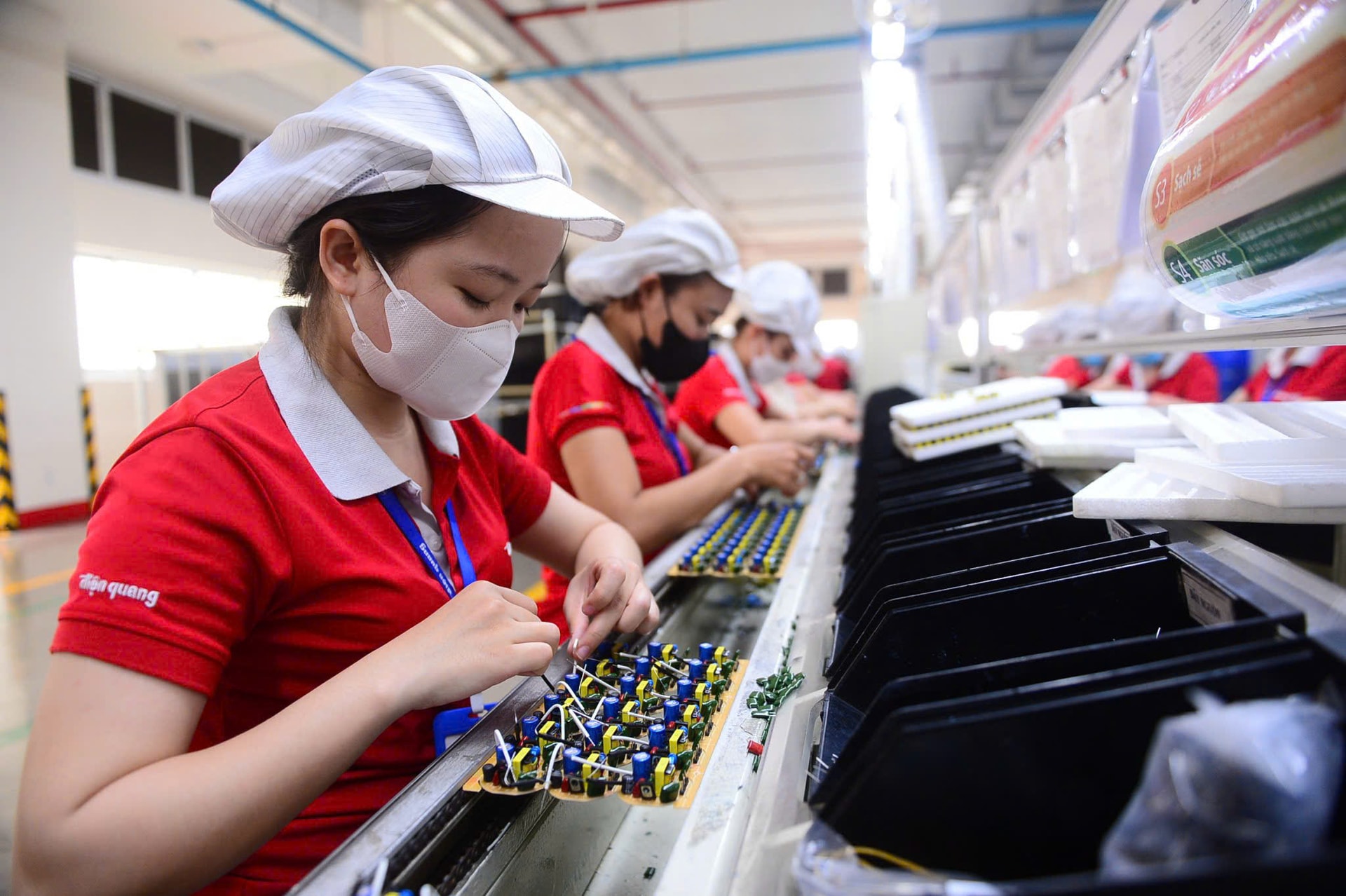 Workers at Ho Chi Minh City's High-Tech Park.
Ho Chi Minh City possesses perhaps its most valuable asset: a dynamic private business community with the country's deepest R&D capacity and strongest international integration capabilities. The challenge for policymakers is ensuring that administrative barriers and lack of transparency do not constrain this potential.
PCI 2025 and the pilot BPI have placed Ho Chi Minh City in a unique position: if it truly aims to remain the locomotive driving Vietnam toward a new era of double-digit growth, it will need to evolve into a genuinely enabling and service-oriented government.