VIETNAM CHAMBER OF COMMERCE AND INDUSTRY
Liên Đoàn Thương Mại Và Công Nghiệp Việt Nam
Tue, Feb 24, 2026, 12:43:00
Facing market fluctuations, investing in people has become a practical value; harmonious, stable, and progressive labor relations have shifted from the role of a “supporting foundation” to a driving force for sustainable development and the realization of high growth targets.
- How do you assess the role of harmonious and stable labor relations in the context of Vietnam’s economy undergoing strong transformation and high growth targets being set for the new phase?
In the current context, harmonious and stable labor relations are no longer merely a desire but an “anchor” that helps businesses maintain effective operations and increase resilience to market fluctuations. If a business has good relations between employers and employees, they can easily engage in dialogue and resolve conflicts before they become disputes.
In particular, when businesses pay attention to and proactively develop harmonious, stable, and progressive labor relations, they will have strategies and plans to attract workers while also building a positive working environment, creating trust and cohesion within the organization, minimizing dispute risks or identifying early signs of conflict. This is the foundation for retaining talent and attracting high-quality workers who contribute and share responsibility for the sustainable development of the enterprise.
– In the process of supporting the business community in implementing models that promote harmonious, stable, and progressive labor relations, what do you see as the major challenges and barriers for businesses?
From practice, we see three major groups of challenges in building and promoting harmonious, stable, and progressive labor relations within enterprises.
First, barriers in awareness and management thinking. Many businesses, especially small and medium-sized enterprises, still view labor relations mainly from the perspective of legal compliance or handling issues when they arise, rather than considering them a pillar of corporate governance and sustainable development. When workplace dialogue, collective bargaining, or employee consultation mechanisms are not recognized as value-creating tools, implementation often becomes formalistic and lacks depth.
Second, limitations in capacity and resources. Establishing effective dialogue mechanisms and improving negotiation skills for both employers and employee representatives require time, costs, and systematic investment. In a context where many businesses are under pressure from orders, costs, and competition, these activities are sometimes not given proper priority, leading to a lack of continuity and sustainability.
Third, the impact of transformation and integration. The process of green transition and digital transformation, along with the implementation of international labor standards and ESG requirements, is creating new demands on businesses. Without sufficient information, guidance, and support, businesses can easily face difficulties in balancing production and business objectives with ensuring the rights, benefits, and voices of employees.
– What recommendations would you give for businesses to realize this goal?
First of all, it is necessary to change the mindset regarding human resource management. Labor relations are not only about legal compliance but also a strategic investment in people, helping businesses become workplaces worthy of dedication, thereby enhancing competitiveness. Businesses should identify workplace dialogue, collective bargaining, and dispute prevention as useful development tools rather than “compliance pressure.”
Second, businesses must create regular dialogue mechanisms, not only those required by law. This helps empower employees to participate in decision-making processes that affect their professional lives and production and business efficiency. Many businesses have applied monthly periodic dialogues, incorporated trade union recommendations into regular meetings, and strengthened relationships between corporate brands and employees.
In addition, attention should be paid to gender equality and labor welfare. Policies such as appropriate leave regimes and mental health care for workers, especially female workers, not only reduce dispute risks but also enhance cohesion and loyalty to the organization.
In my view, there needs to be a fundamental change in awareness; businesses should consider harmonious labor relations as a development driver, while strengthening support programs, training, and the sharing of good practices so that enterprises can implement them more substantively and effectively.
– The requirement to develop harmonious, stable, and progressive labor relations within enterprises will both serve as a foundation and a driving force for sustainable development, contributing to the realization of the country’s high growth targets in the pivotal year of 2026 and the following period, sir?
In the context of the global economy and deep international integration, harmonious, stable, and progressive labor relations serve as a “foundation” for both businesses and workers to develop together. This is a long journey to build a sustainable working environment that respects the rights and responsibilities of each party.
Liên đoàn Thương mại và Công nghiệp Việt Nam (VCCI) expects and is making efforts to accompany the business community with specific programs to help enterprises continue innovating in human resource management, viewing labor relations as a competitive advantage. At the same time, it encourages workers to become more proactive in dialogue, expressing their recommendations in a constructive and respectful manner. Most importantly, the goal is to jointly build a healthy labor market as a foundation for sustainable growth, happiness, and social equity.
I believe that with the combined efforts of VCCI – enterprises – trade unions – and social partners, harmonious, stable, and progressive labor relations will be the “key” that opens the door to high and sustainable growth for Vietnam in the new era.
– Thank you very much!
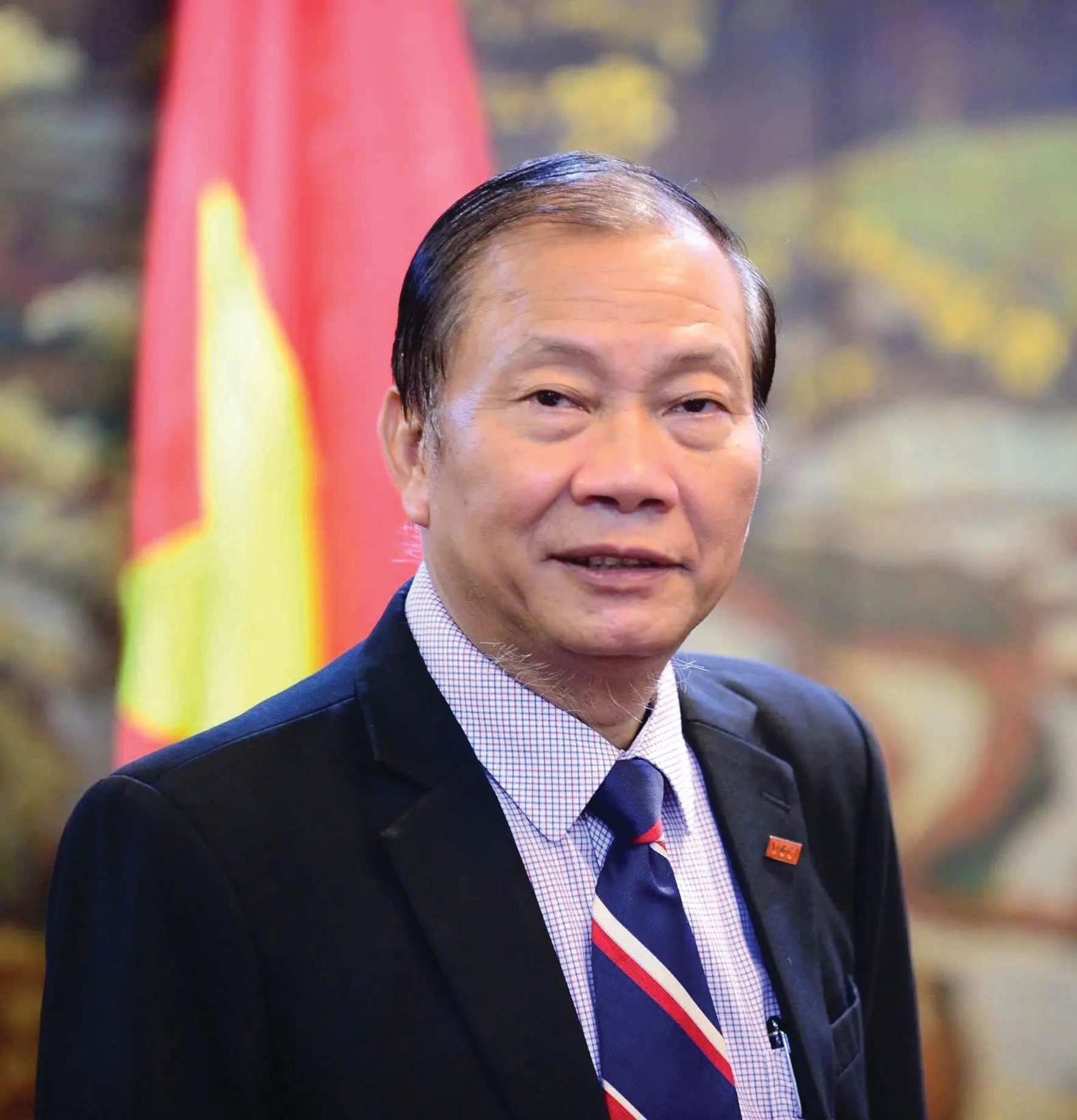
(Interview with Hoàng Quang Phòng, Vice President of VCCI.)