VIETNAM CHAMBER OF COMMERCE AND INDUSTRY
Liên Đoàn Thương Mại Và Công Nghiệp Việt Nam
Tue, Feb 24, 2026, 14:20:00
Sharing with Business Forum during the atmosphere of the Lunar New Year of Binh Ngo 2026, Mr. Nguyen Tien Quang – Director of the Central – Central Highlands Branch of the Vietnam Chamber of Commerce and Industry (VCCI) – said that Đà Nẵng is facing new opportunities to achieve breakthrough development.
.jpg)
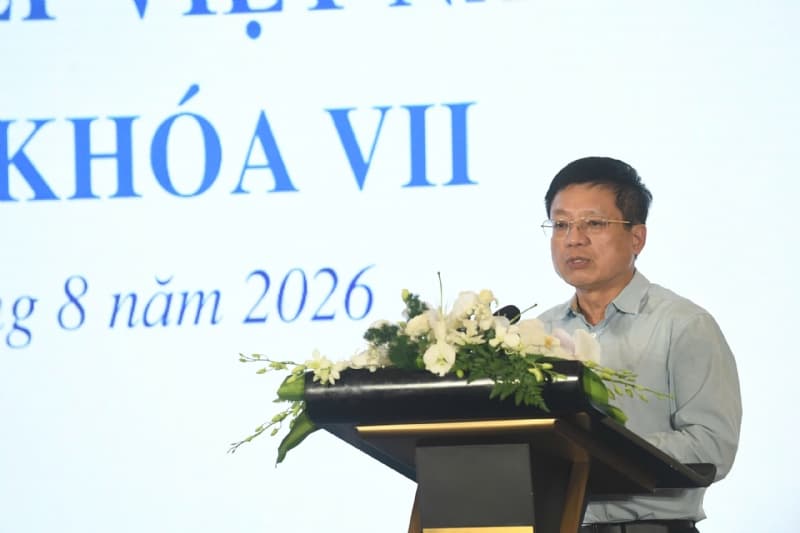
Mr. Nguyen Tien Quang – Director of the Central – Central Highlands Branch of the Vietnam Chamber of Commerce and Industry (VCCI).
– In 2025, Da Nang’s economy recorded strong development. In your opinion, which sectors made major contributions to the locality’s growth?
It can be seen that in recent times Da Nang has proactively promoted activities to support businesses, attract investment, reopen flight routes, and reactivate tourism with its role as a comprehensive economic sector. This not only helped the tourism sector restart and recover but also contributed to reviving retail, trade, and services, as well as restoring jobs in the trade and service sectors that had sharply declined due to the pandemic.
According to observations, Da Nang’s economy in 2025 achieved remarkable and more comprehensive development, not only with a high GRDP growth rate but also with a more positive and balanced economic structure. In particular, key sectors contributing significantly to GRDP such as trade, services, and tourism not only maintained their recovery momentum and high growth but also strengthened their position, enhanced competitiveness, and affirmed a more sustainable standing.
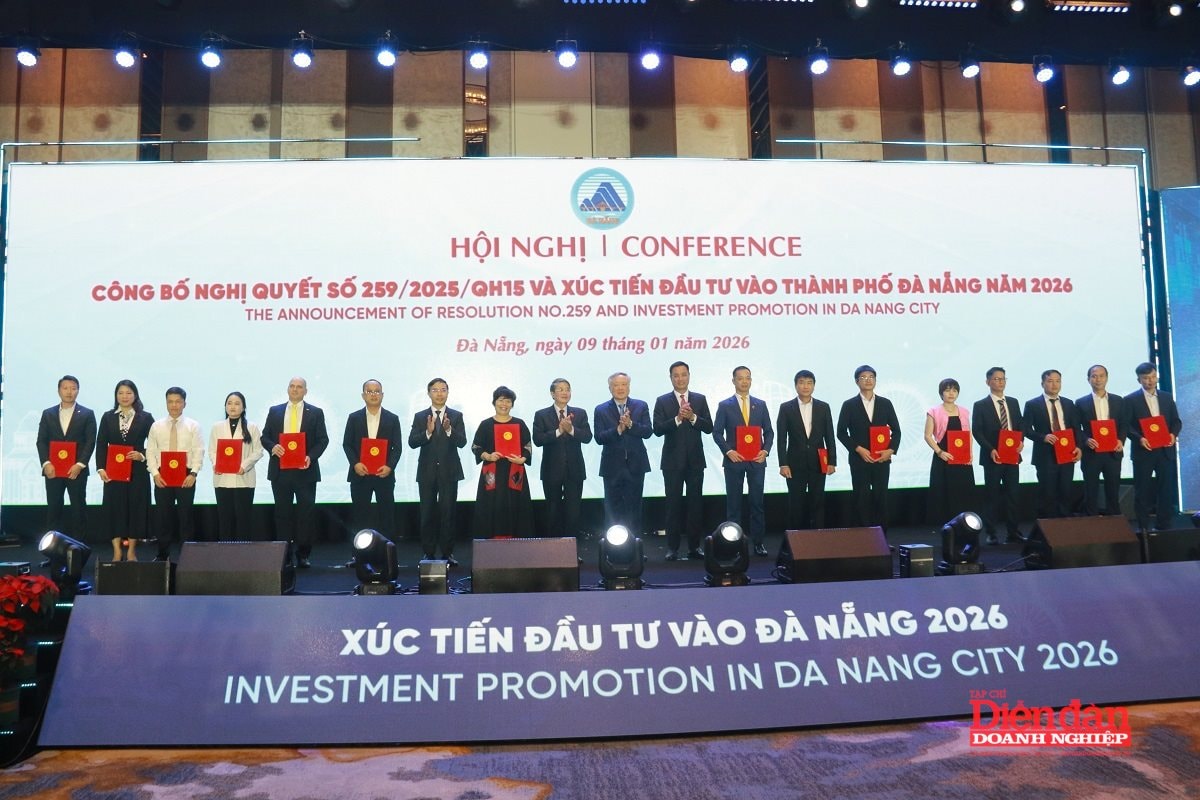
Investment attraction in Da Nang has grown well in both domestic and foreign capital, which is one of the positive indicators and a basis for higher growth targets in the coming period...
At the same time, the construction and real estate sector, after a long period of stagnation, has now rebounded and made positive contributions to economic growth, helping to unlock many resources that had been “frozen” in recent years. This has created a new, more civilized and modern urban appearance for Da Nang.
In particular, investment attraction has grown well in both domestic and foreign capital, which is one of the positive indicators and a basis for higher growth targets in the coming time. In addition, economic institutions such as the Free Trade Zone and the Vietnam International Financial Center in Da Nang are being formed and are expected to provide a foundation for Da Nang to become a hub for the flow of trade, goods, and finance of the country and the region.
– For the new Da Nang City, what development strategy should be adopted so that it can truly become the “locomotive” of the region?
After the merger, the new Da Nang, with a broader economic space, better integration and complementarity, and a more reasonable economic structure, needs to standardize and upgrade local governance standards. At the same time, it is necessary to build a more suitable development strategy to promote the inherent strengths of the two former localities and overcome limitations prior to the merger, thereby turning them into common driving forces and advantages for the new Da Nang.
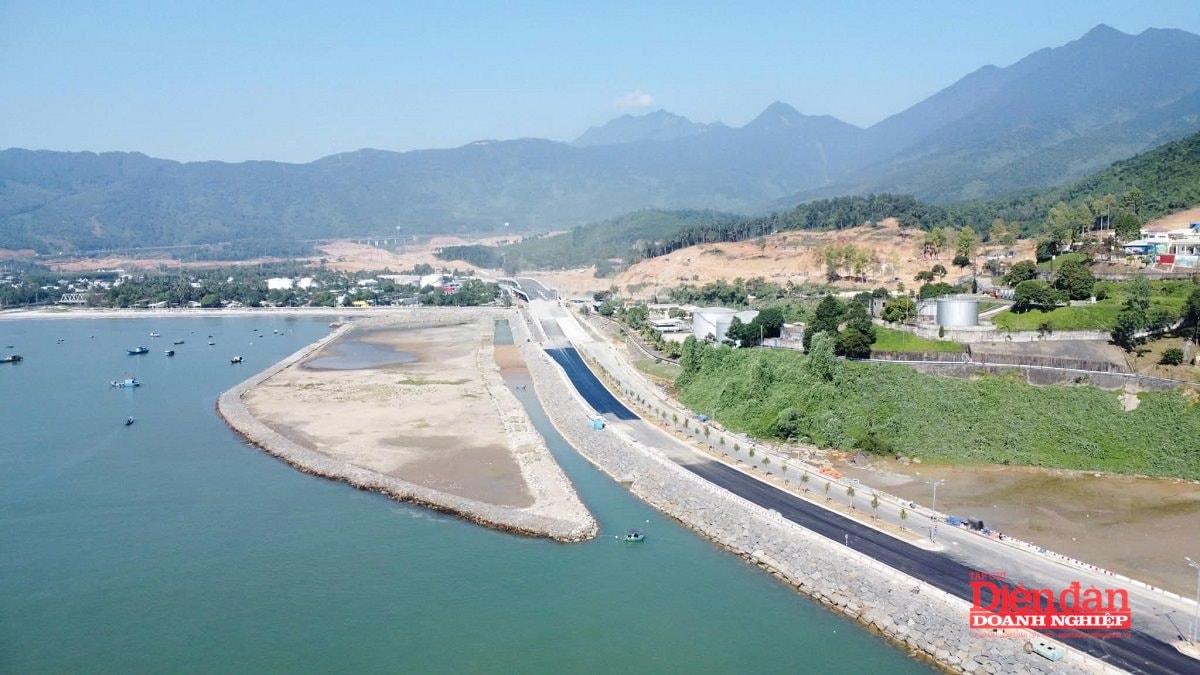
Da Nang needs to build and complete public–private partnership mechanisms in forming key projects in the Free Trade Zone and the International Financial Center.
In particular, Da Nang must be the locality that pioneers the most effective implementation of the two-tier local government model. At the same time, Da Nang should also provide the most practical experiences in operating the two-tier local government system.
For current operations, it is necessary to soon conduct surveys and assessments of the performance and effectiveness of the two-tier local government model to provide practical grounds for refining and improving this model. Along with that, it is necessary to quickly implement distinctive models such as the Financial Center and the Free Trade Zone, considering them solutions to complete and upgrade institutions and mechanisms to create breakthrough momentum for the city’s economic growth and development.
– With its existing advantages, what adjustments do you think Da Nang should make in the future?
With significant potential, the city needs to review and finalize spatial development planning in an integrated manner, ensuring infrastructure connectivity across different sectors and areas in order to create comparative advantages in economic infrastructure. In particular, planning could focus on linking the central urban area of Da Nang with Hoi An to form and develop a coastal urban corridor. This would also create momentum for the western area of this urban axis.
Regarding infrastructure, it is necessary to soon complete the transport axis connecting the eastern and western parts of Da Nang, linking and forming the East–West Economic Corridor 2 through the Dak Ta Ooc border gate to expand its “hinterland.” In the longer term, Da Nang could become a gateway to the sea for countries such as Laos, Cambodia, Thailand, and Myanmar.
At the same time, the city also needs to develop and complete public–private partnership mechanisms for key projects in the Free Trade Zone and the International Financial Center. To attract investment flows, Da Nang also needs a strategy to develop high-quality human resources for new sectors and industries such as semiconductor microchips, fintech, and high-tech industries.
The city should further promote administrative reform, particularly the application of information technology, online public administrative procedures, and AI in implementation and supervision to improve the quality of administrative procedures. It should continue reviewing and resolving obstacles facing projects and developments, as well as adjusting plans and projects that are no longer suitable, moving toward a green, modern, and sustainable direction.
– Regarding the Da Nang Free Trade Zone, what recommendations do you have for the city to take advantage of this opportunity for breakthrough development?
The establishment of the Da Nang Free Trade Zone demonstrates the strong determination of the central government and the Da Nang authorities in attracting investment and developing the economy. Together with the merger, the formation of the Free Trade Zone is expected to become a new impetus and a historic driving force for the development of Da Nang and the Central region in the new context.
Therefore, defining functional areas and selecting priority sectors based on Da Nang’s advantages, combined with regional linkages, will certainly make the Da Nang Free Trade Zone one of the successful models. In addition to infrastructure development, there should also be an open and flexible operational mechanism for the Free Trade Zone to attract investment capital as well as flows of trade and goods.
In the current context, there are grounds to expect that although the Da Nang Free Trade Zone was established later than those in other countries in the region, it will become a highly competitive free trade zone both regionally and internationally.
– In terms of investment attraction, what advice would you give Da Nang to enhance its competitive advantage?
Currently, localities are competing to attract investment capital, particularly in high-tech sectors and sectors with high added value. Therefore, Da Nang needs to make greater efforts to improve the business environment. Specifically, it should focus on administrative reform and strongly apply information technology and digitalization in understanding and responding to the needs of investors and businesses in the best possible way. This will help investors and businesses shorten the time needed to access opportunities and realize their investment plans.
At the same time, the city should finalize and make transparent its socio-economic development planning, taking into account regional linkages in order to create synergy and comparative regional advantages. In addition, Da Nang needs to link investment attraction projects with appropriate support policies so that investors can access information quickly and comprehensively, avoiding general information that forces investors to go to many places and knock on many doors, which can be discouraging.
Besides making efforts to best meet the needs of investors and businesses, Da Nang should also strengthen cooperation with other provinces and cities in the region to attract inter-provincial and inter-regional investment projects. In particular, the city could proactively approach and seek investors instead of waiting for them to come.
Da Nang should also build mechanisms to attract private investment capital both domestically and internationally in order to continue upgrading and improving infrastructure and services. In particular, attention must be paid to infrastructure for industrial and logistics development to create advantages in attracting investment flows.
In addition, the city should develop and implement programs to support and accompany investors throughout the process of accessing opportunities, making investment decisions, implementing investments, and post-investment activities. For projects with high technological content and high added value, there should be tailored support programs to best meet investors’ needs in accordance with policies and legal regulations.
In reality, providing effective support for the business community and investors to overcome difficulties and develop sustainably will be a “plus point” for the city in attracting investment and developing the local economy.
– Thank you very much!