VIETNAM CHAMBER OF COMMERCE AND INDUSTRY
Liên Đoàn Thương Mại Và Công Nghiệp Việt Nam
Thu, Jun 18, 2026, 17:07:00
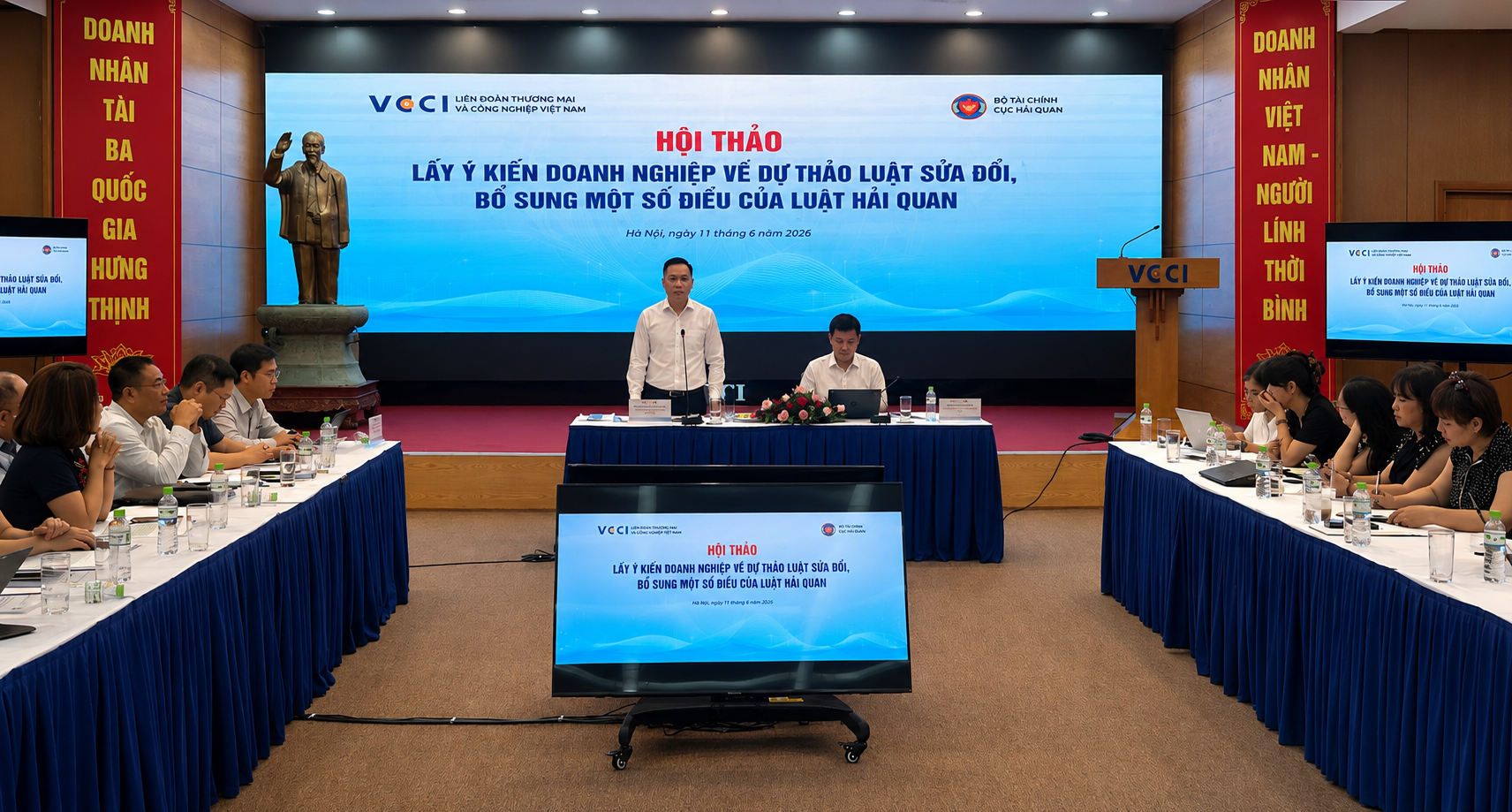
On 11 June in Hanoi, the Vietnam Chamber of Commerce and Industry (VCCI), in coordination with the Customs Department, organized a workshop to gather business feedback on the draft Law amending and supplementing a number of articles of the Customs Law.
Speaking at the workshop, Deputy Director General of the Customs Department Nguyen Thanh Hung noted that the Customs Law (2014) has been implemented for nearly 12 years and has made significant contributions to the modernization of the Customs sector. However, the rapid development of cross-border e-commerce, the digital economy, artificial intelligence, and institutional reform requirements has created an urgent need to amend the law.
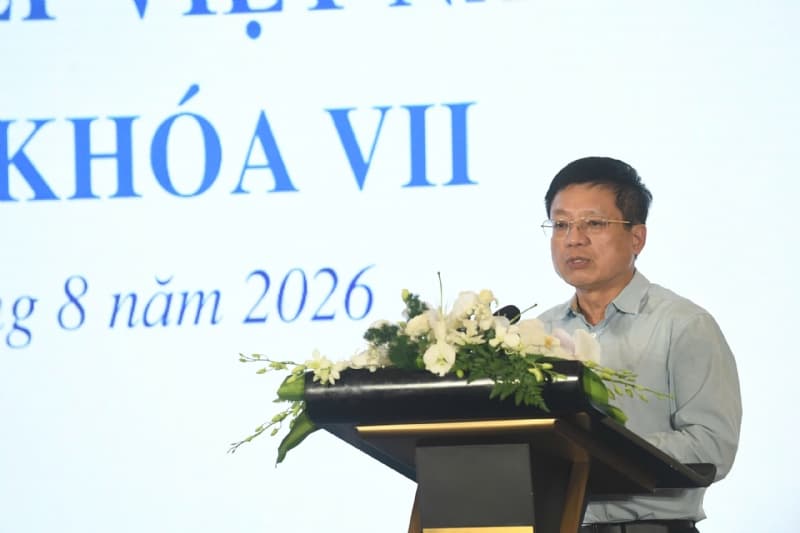
 Deputy Director General of the Customs Department Nguyen Thanh Hung speaks at the event. Photo: Hai Anh.
Contributing comments at the workshop, Dau Anh Tuan, VCCI Deputy Secretary General, stated that the business community recognizes the Customs sector’s reform achievements during more than a decade of implementing the 2014 Customs Law.
According to Dau Anh Tuan, customs procedures have evolved from a paper-based system in which businesses had to wait in long queues for hours to a largely automated process today. Customs clearance for green-channel shipments can now be completed within seconds, while the physical inspection rate has fallen from nearly 10% to approximately 2.65%, even as the number of customs declarations has increased significantly year after year.
“The National Single Window mechanism, automated customs clearance system, electronic seal-based cargo monitoring, and 24/7 electronic tax payment services have become familiar components of import-export operations for businesses,” Dau Anh Tuan remarked.
According to the results of numerous VCCI surveys, Customs consistently ranks among the government agencies most highly rated by the business community for administrative reform and digital transformation.
For this reason, the current amendment of the Customs Law has attracted considerable attention from businesses. Dau Anh Tuan observed that a positive aspect of the draft law is its clear institutionalization of the Party’s major policy directions, particularly Resolution No. 57-NQ/TW on breakthroughs in science and technology development, innovation, and national digital transformation; Resolution No. 66-NQ/TW on reforming lawmaking and law enforcement to meet the country’s development needs in the new era; and Resolution No. 68-NQ/TW on private sector development. The overarching message is a shift from a management-focused approach to a service-oriented approach that places businesses at the center.
Providing information on the draft law, Deputy Director General Nguyen Thanh Hung stated that the proposal includes amendments, supplements, or repeals affecting 42 articles and introduces four new articles. The amendments focus on institutionalizing major Party policies, particularly those related to private sector development, digital transformation, and legal reform.
A key highlight of the draft is the strong promotion of digital transformation in customs administration. Accordingly, many procedures will be conducted entirely in the electronic environment, with paper documents gradually replaced by digital data, creating a legal foundation for the development of digital customs in the future.
At the workshop, VCCI representatives noted that the business community is particularly interested in the reform objectives outlined in Resolution No. 68-NQ/TW, including reducing administrative processing times by at least 30%, lowering compliance costs by 30%, and eliminating 30% of unnecessary business conditions.
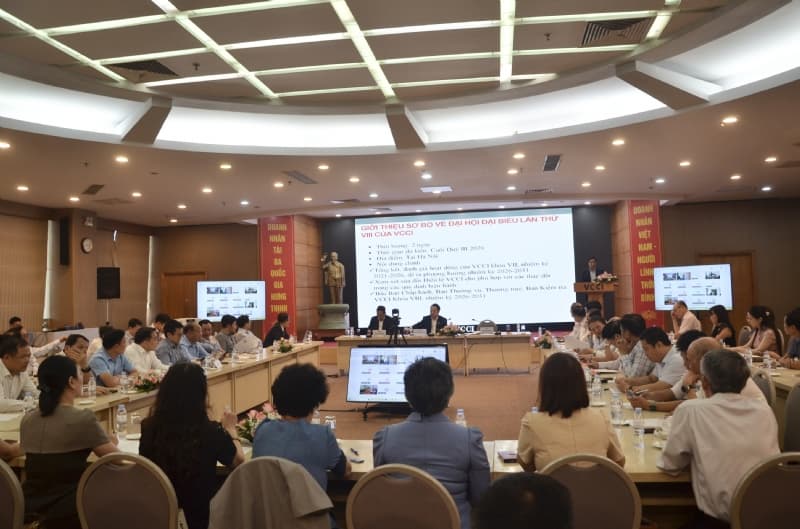
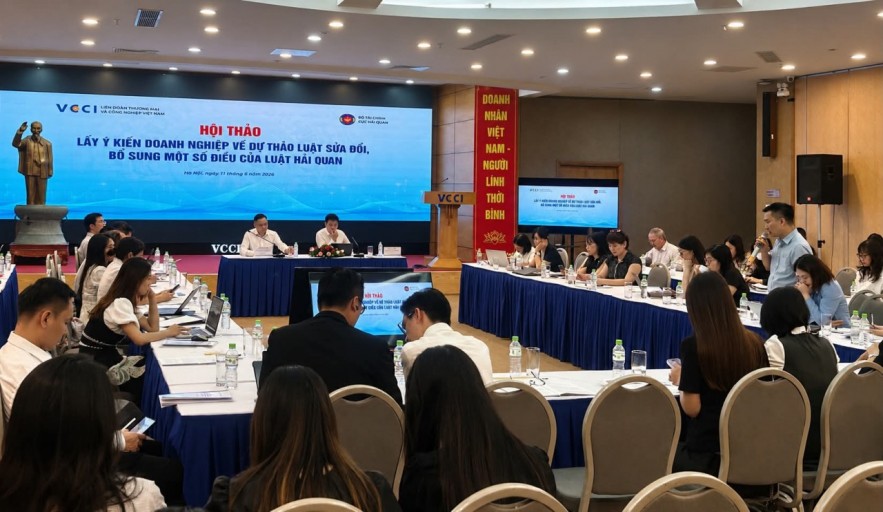 Business representatives contribute comments to improve the draft Law amending and supplementing a number of articles of the Customs Law. Photo: Hai Anh.
Businesses expressed their expectation that the amended Customs Law will establish a legal foundation for digital customs development, expand risk management mechanisms, strengthen post-clearance audits in place of excessive pre-clearance inspections, and promote voluntary compliance programs. These measures are regarded as important solutions for enhancing the competitiveness of Vietnamese enterprises within global supply chains.
Representatives from logistics and transportation companies also urged the drafting agency to continue researching technology-based solutions that would reduce unnecessary inspection procedures for goods already monitored through modern electronic systems.
From a policy perspective, VCCI representatives proposed that the draft law provide clearer provisions regarding compliance management, ensuring that businesses can clearly identify compliance assessment criteria and understand the corresponding preferential mechanisms available to them.
Deputy Director General Nguyen Thanh Hung stated that the drafting agency has fully recorded recommendations from the business community and industry associations. Issues of concern raised by businesses will continue to be studied and refined during the drafting process and in the development of implementing regulations, with the aim of both facilitating trade and meeting state management requirements.