VIETNAM CHAMBER OF COMMERCE AND INDUSTRY
Liên Đoàn Thương Mại Và Công Nghiệp Việt Nam
Wed, Jul 15, 2026, 10:34:00
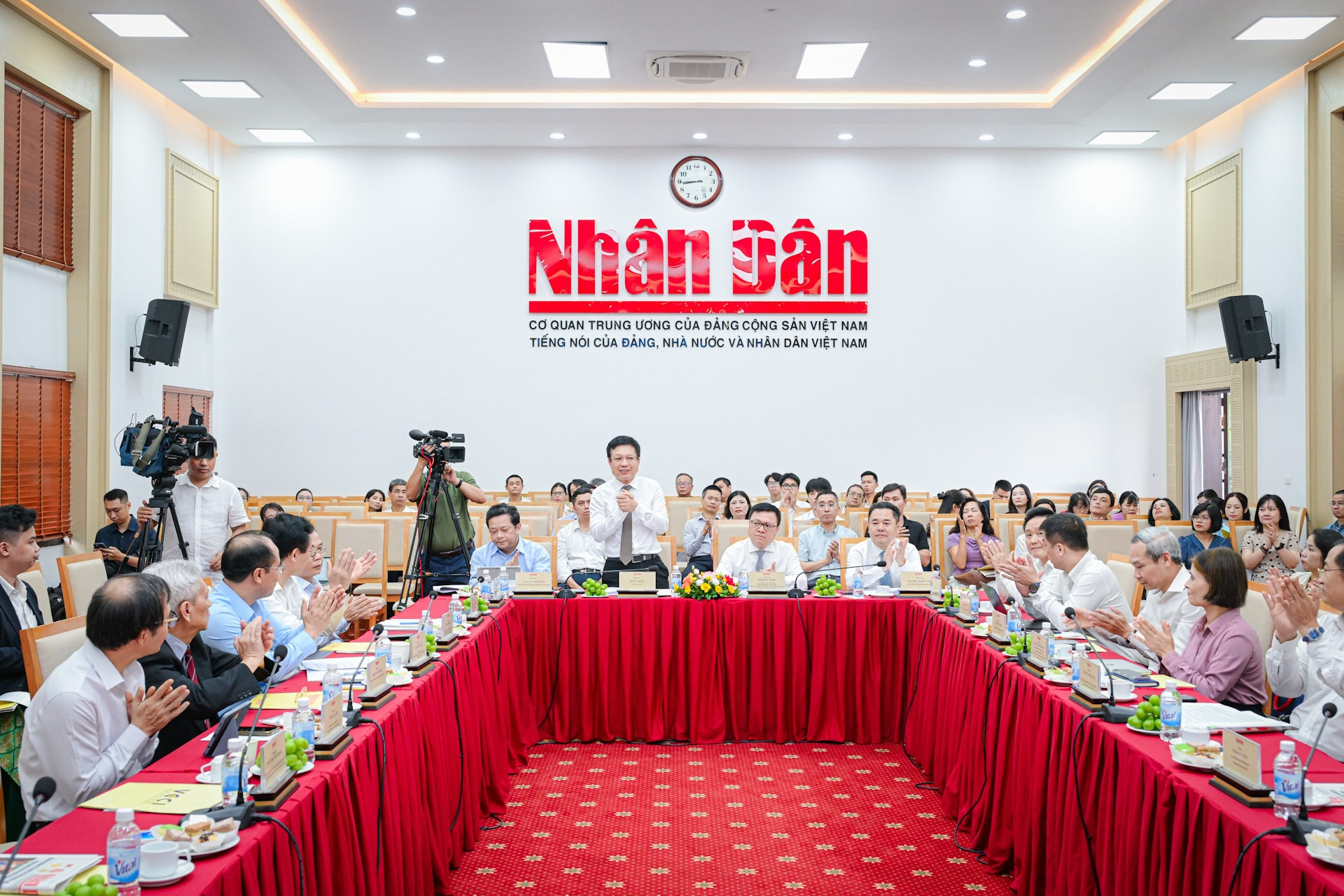
VCCI President Ho Sy Hung co-chairs the seminar “Double-Digit Growth – Driven by Enterprises,” jointly organized by VCCI and Nhan Dan Newspaper.
Speaking at the seminar, Associate Professor Dr. Ho Sy Hung, President of VCCI, emphasized that achieving double-digit growth requires a new approach that is more decisive, more substantive, and more effective. The shortest path to double-digit growth, he said, is to remove bottlenecks that are constraining resources, thereby unleashing productive capacity, strengthening business confidence, and enabling the private sector to become a strong and sustainable driver of economic development.
Reviewing the positive outcomes after more than one year of implementing Resolution No. 68, Associate Professor Dr. Ho Sy Hung pointed to several persistent bottlenecks, the most significant of which lies in implementation. Drawing on feedback from the business community, VCCI has compiled reports submitted to the Prime Minister highlighting key challenges faced by enterprises, including administrative procedures, business conditions, specialized inspections, overlapping regulations, and an unstable and unpredictable regulatory environment.
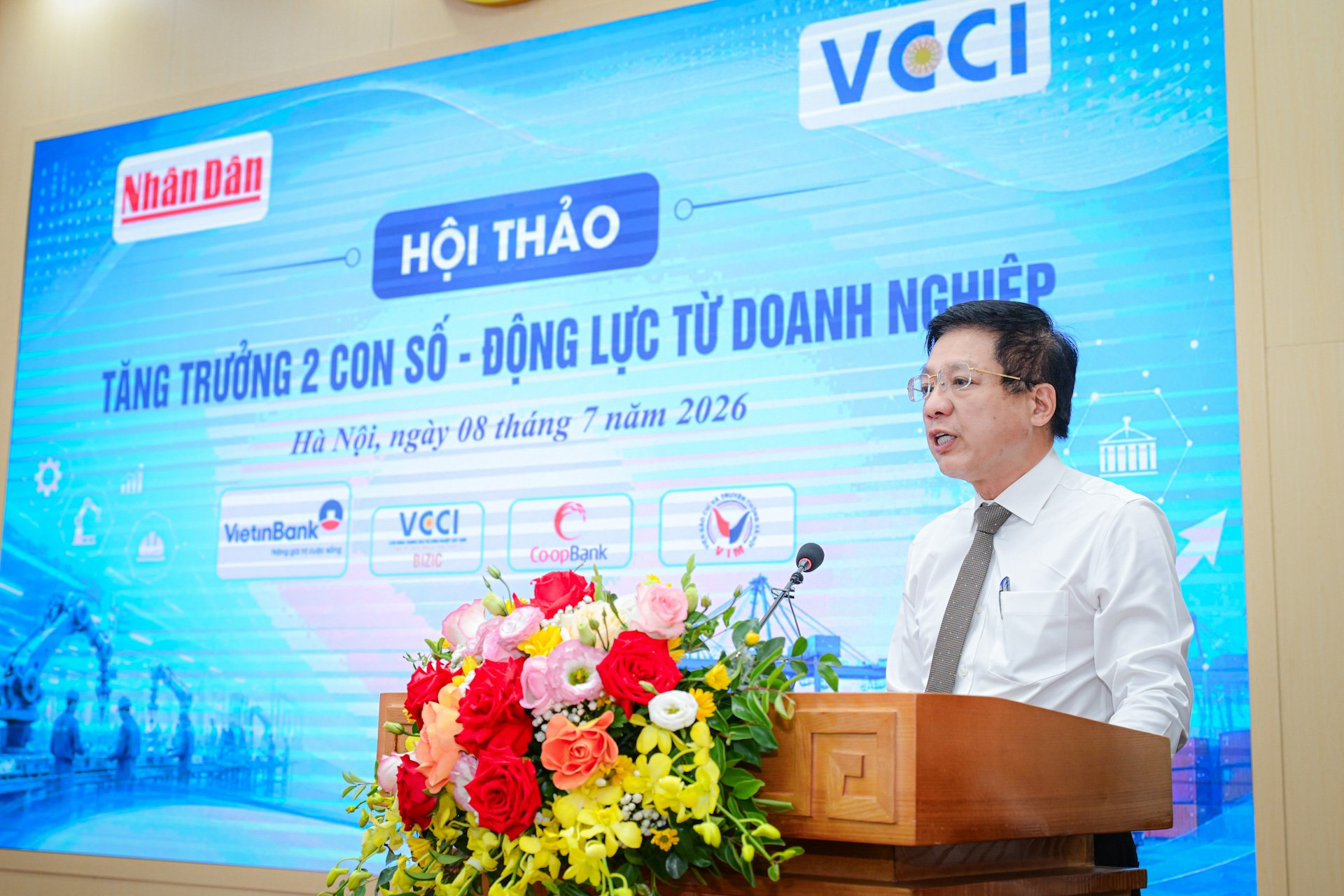
VCCI President Ho Sy Hung speaks at the seminar.
"Vietnam’s greatest growth potential in the coming period lies first and foremost in institutional reform. Institutional reform is not simply about revising a few procedures, eliminating a number of licenses, or reducing certain business conditions in quantitative terms. More importantly, it requires a fundamental shift in approach: from a management-oriented mindset to one focused on service and development facilitation; from burdensome pre-inspections to risk-based post-inspections that empower businesses; and from the mindset of 'if it cannot be managed, it should be prohibited' to smart, transparent, and accountable governance," Associate Professor Dr. Ho Sy Hung stated.
Business environment reform, therefore, must focus on substantive improvements. According to the VCCI President, enterprises need a business environment that is easier to understand, more stable, and more predictable. Legal reviews should be conducted from the perspective of businesses, covering the entire business lifecycle—from business establishment, investment, land use, construction, production, import and export, tax refunds, and specialized inspections to dispute resolution and business dissolution.
President Ho Sy Hung also stressed another important requirement: achieving double-digit growth requires placing enterprises at the center of the national development strategy. Without a strong business community, it will be difficult to build a strong economy. Likewise, without private enterprises that are sufficiently large, competitive, and ambitious enough to expand into international markets, Vietnam cannot establish an independent, self-reliant, and deeply integrated economy.
In addition to positive institutional reforms and efforts by government agencies, enterprises themselves must also respond proactively. Businesses cannot simply wait for more favorable policies; they must strengthen corporate governance, improve financial transparency, comply with the law, invest in technology, accelerate digital and green transformation, develop human resources, and build a responsible business culture.
In the new development phase, enterprises that rely solely on low costs will find it increasingly difficult to compete. Those that leverage productivity, technology, quality, branding, and sound governance will be better positioned for long-term success.
"VCCI is fully aware of its responsibility in this process. As the national organization representing Vietnam’s business community and entrepreneurs, VCCI will continue to strengthen its role as a bridge between the Party, the State, and the business community; listen to, consolidate, and promptly convey challenges arising from business practice; contribute to policy development; and promote reforms to improve the business environment," President Ho Sy Hung affirmed.
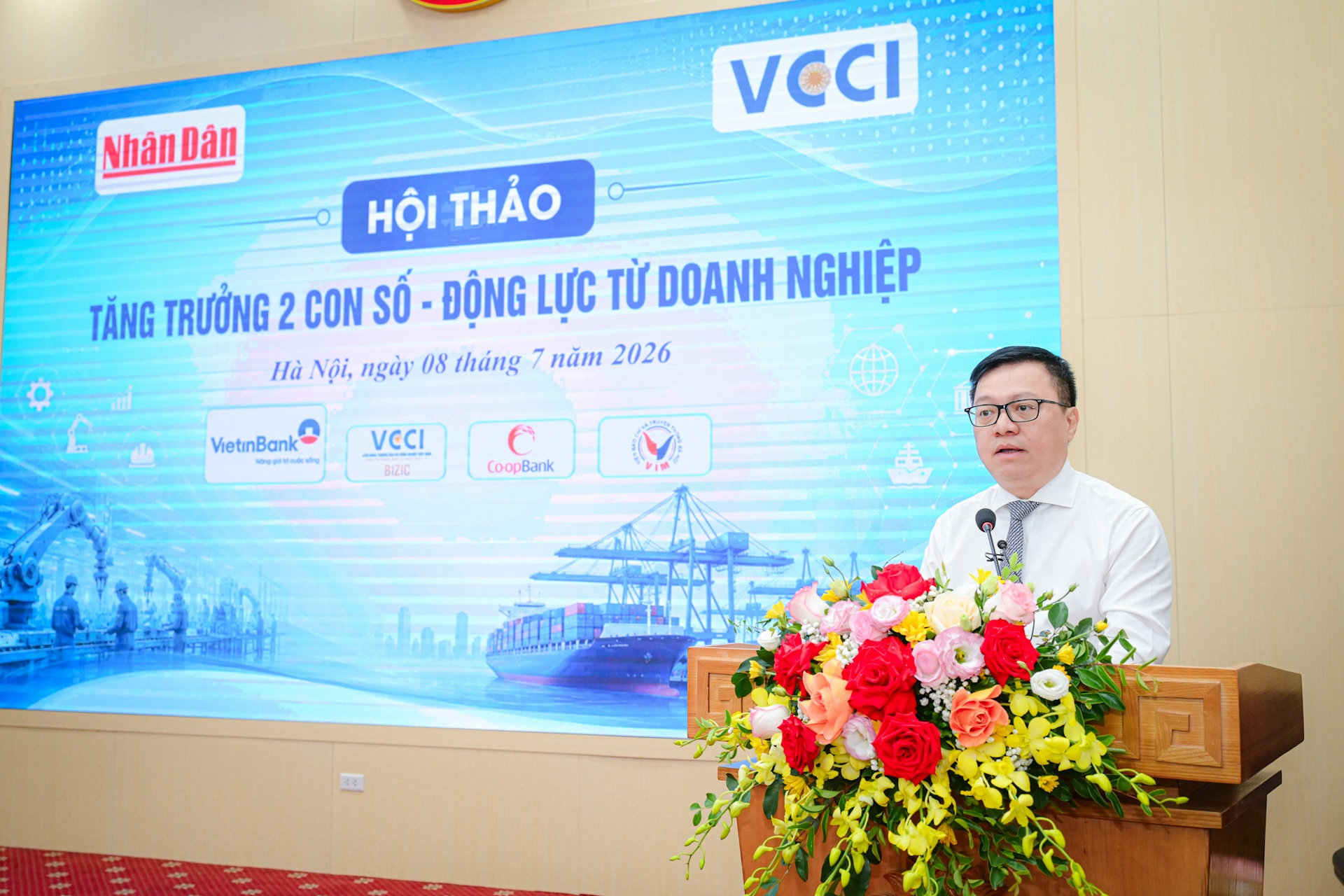
Mr. Le Quoc Minh, Editor-in-Chief of Nhan Dan Newspaper, emphasized that all policies should be designed with enterprises at their core.
At the seminar, Mr. Le Quoc Minh, Editor-in-Chief of Nhan Dan Newspaper, underscored the vital role of enterprises, particularly private enterprises, in achieving high economic growth. However, for businesses to truly become the center of growth and make meaningful contributions toward the double-digit growth target, it is essential to continue improving institutions, significantly reduce compliance costs, and remove bottlenecks to unlock the growth potential of the private sector.
Accordingly, all policies should be enterprise-oriented, creating favorable conditions for businesses to grow while enabling them to participate alongside the State in developing and improving institutions, policies, infrastructure, and national governance. Enterprises should no longer be viewed merely as subjects of regulation but as development partners contributing to national progress.
Highlighting the banking sector’s role in channeling capital to the economy and supporting business activities, Mr. Nguyen Ngoc Canh, Deputy Governor of the State Bank of Vietnam, noted that the banking sector has continuously pursued reforms, accelerated digital transformation, applied science and technology, and implemented a wide range of coordinated monetary and credit policies to remove obstacles, unlock financial resources for business investment and production, and contribute to economic growth.
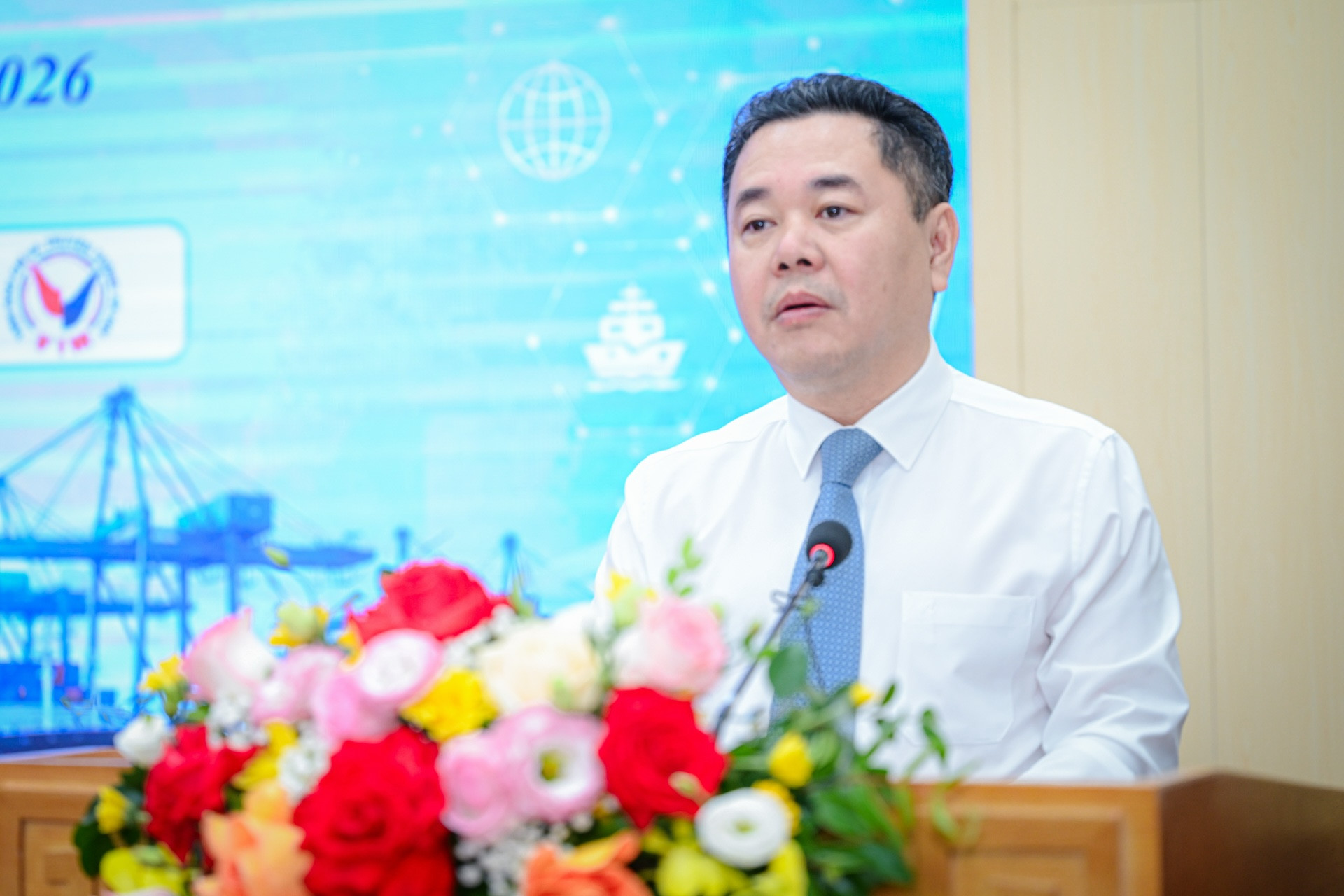
According to Deputy Governor of the State Bank of Vietnam Nguyen Ngoc Canh, further development of the capital market is essential to meet the financing needs of economic growth.
As of the end of June 2026, outstanding credit to the economy had exceeded VND 19.9 quadrillion, representing an increase of 7.41% compared with the end of 2025. Outstanding credit to the private sector alone surpassed VND 18.2 quadrillion, accounting for 92.6% of total outstanding credit across the economy. Of this amount, outstanding loans to enterprises totaled approximately VND 10.5 quadrillion, equivalent to 53.3% of total outstanding credit, while loans to private enterprises reached around VND 9.1 quadrillion, accounting for 86.7% of total corporate lending.
Nevertheless, the demand for financing to support economic growth remains substantial, particularly for medium- and long-term funding for national key projects and infrastructure works. Expanding credit to several high-potential sectors continues to face challenges due to enterprises’ limited resilience, financial capacity, and governance capabilities, as well as uneven market recovery and persistently high production costs, all of which affect credit quality.
According to Deputy Governor Nguyen Ngoc Canh, alongside strategic macroeconomic measures, greater efforts are needed to develop the capital market, particularly the corporate bond market and the stock market, in a transparent, safe, and sustainable manner. This would enhance the economy’s capacity to mobilize medium- and long-term capital while gradually reducing reliance on bank credit.
He also emphasized the need to diversify financing sources for major projects and national priority infrastructure by combining state budget resources, private investment, public-private partnerships (PPPs), foreign capital, and other long-term funding sources.