VIETNAM CHAMBER OF COMMERCE AND INDUSTRY
Liên Đoàn Thương Mại Và Công Nghiệp Việt Nam
Tue, Mar 18, 2025, 07:36:00
At the workshop "Planning and Practicing Sustainable Development according to ESG criteria", within the framework of the 4.0 CEO Training Program - CEO 2024, organized by the Vietnam Chamber of Commerce and Industry, Ho Chi Minh City Branch (VCCI - HCM), Mr. Pham Hoai Trung - Chief Advisor of SBBTi Vietnam, Founder - Azitech & Greengo presented 9 solutions to help businesses implement green transformation, specifically:

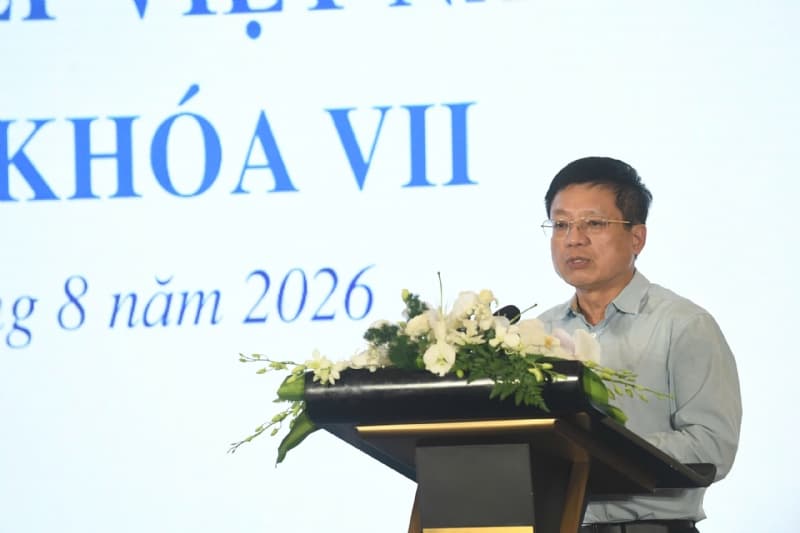
Mr. Pham Hoai Trung - Chief Advisor of SBBTi Vietnam, Founder - Azitech & Greengo - Photo: Dinh Dai.
First, impact assessment. Identify and assess the impact of business activities on green transformation. Including measuring carbon emissions caused by business activities. Identify and assess the level of energy consumption such as energy use in production, system operation and daily activities. Potential impact on the environment, including the impact on biodiversity, water and air, etc.
Second, set emission reduction targets. Based on the current assessment, businesses need to set emission reduction targets. This target needs to be consistent with the national and international common goals on green transformation. Then develop a detailed action plan to achieve the proposed emission reduction target.
To achieve the goal of reducing emissions, businesses can apply measures such as optimizing production processes and technology, using energy saving and renewable energy sources, increasing energy efficiency, and scientifically managing waste. At the same time, raising awareness and training employees on environmental management and emission reduction measures are also important factors.
Third, supply chain management. Businesses need to research and select suppliers who are committed to and implement sustainable environmental measures. For example, giving priority to suppliers with environmental management standards, using renewable energy sources, and minimizing waste.
Optimizing transportation and storage processes is also an important part of supply chain management. Businesses can find ways to minimize transportation distances, optimize loads, and use environmentally friendly means of transport. At the same time, minimizing inventory and using efficient storage methods also help reduce waste and energy consumption.
Enterprises should promote environmental and climate change awareness throughout the supply chain, encourage partners to implement sustainable measures, and share information on achievements and challenges related to green transformation.
Fourth, green and sustainable design. Green and sustainable design in corporate offices is an important strategy to optimize the working environment, minimize negative impacts on the environment, and enhance corporate performance and sustainability.
Key points of this strategy include using environmentally friendly materials and energy sources, designing ventilation and using natural light, smart energy management systems, building green spaces, managing waste efficiently, using water and recycled materials, and complying with green standards and certifications.
For businesses, applying this strategy not only brings a healthy and enjoyable working environment for employees but also contributes to environmental protection and increases the reputation and value of the business in the community.

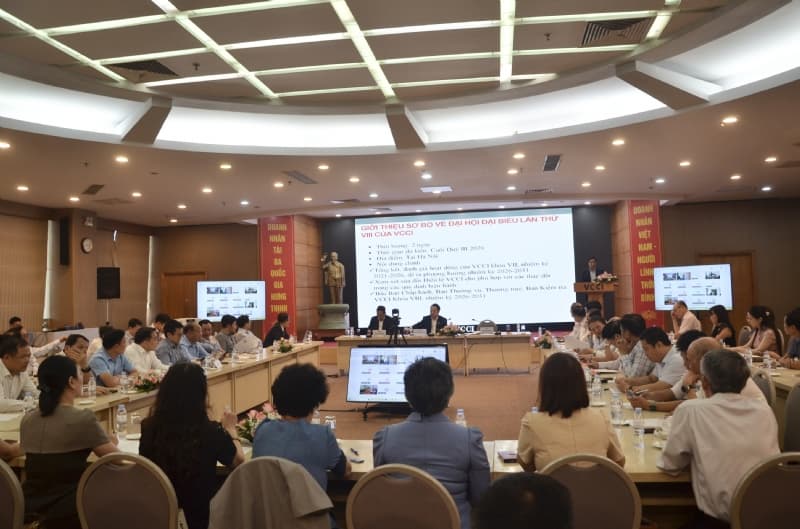
Training program for CEO 4.0 - CEO 2024 organized by VCCI - HCM - Photo: Dinh Dai.
Five is to increase energy efficiency. Invest in technology (Continuous measurement technology) and energy-saving equipment to reduce energy consumption during production and operation. Specifically: First, conduct an energy audit: This is the first step to identify the areas and equipment that consume the most energy in the enterprise.
From there, enterprises can come up with appropriate solutions to save energy; Second, invest in energy-saving equipment: Using energy-saving equipment such as LED bulbs, high-efficiency industrial machinery can help enterprises significantly reduce energy consumption; Third, change energy usage habits: Raise awareness of cadres and employees about energy saving through propaganda and education activities. Encourage turning off electrical equipment when not in use, using fuel-efficient means of transport; Fourth, switching to renewable energy: Installing solar energy systems, wind energy, etc. to reduce dependence on fossil fuels and reduce greenhouse gas emissions; Fifth, applying energy management systems: ISO 50001 is an international standard on energy management, helping businesses build and deploy an effective energy management system.
Sixth, promoting green products/services. Developing products/services with low impacts on the climate. This can include using recycled materials, designing energy-saving products and investing in green technology. At the same time, businesses also need to establish strategic partnerships and cooperate with environmental organizations and researchers to enhance the development and market access of green products/services.
Seventh, switch to renewable energy. Invest in renewable energy and green energy such as solar and wind power to supply business operations. Invest in renewable energy systems: This is the most important step to reduce carbon dioxide emissions and other greenhouse gases. Businesses can install solar energy systems, wind power, or other renewable energy systems on rooftops, factory premises, etc.
Increase energy efficiency: Apply measures to use energy more efficiently, such as upgrading equipment, using energy-saving light bulbs, turning off lights and electrical equipment when not in use.
Cooperate with renewable energy suppliers: Sign electricity purchase contracts with renewable energy suppliers or participate in government programs to encourage the use of renewable energy.
Eighth, move towards a green economic model. Traditional economic activities often emit large amounts of greenhouse gases, contributing to the increase in green transformation. The green economic model encourages the use of renewable energy, minimizes energy consumption, and applies advanced technologies to reduce greenhouse gas emissions.
The green economy aims to use natural resources efficiently, minimize waste and environmental pollution. Enterprises can apply solutions such as recycling, reusing materials, and optimizing production processes to minimize environmental impacts.
Moving towards a green economic model not only helps minimize the impact on climate change but also brings many other benefits to enterprises such as reducing operating costs, creating new business opportunities, enhancing the prestige and reputation of enterprises in the community and market.
Nineth, building a culture that promotes environmental protection awareness. Enterprises need to develop internal policies and procedures to encourage employees to participate in environmental protection activities and use resources sustainably. Organize training programs on green environment for staff, help them understand the importance of environmental protection and their own responsibilities. Regular internal communication about the company's green environmental protection activities, encourage employees to share ideas and take positive actions.