VIETNAM CHAMBER OF COMMERCE AND INDUSTRY
Liên Đoàn Thương Mại Và Công Nghiệp Việt Nam
Tue, Mar 17, 2020, 16:13:00
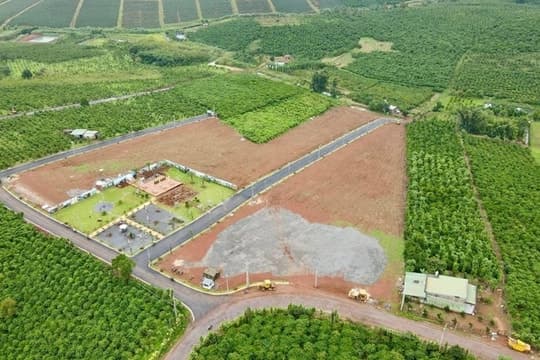
In Mr. Nguyen Van Viet's village (in Hanoi), there are a number of families who built embankments surrounding the field, but had been growing rice to build houses, barns and play areas. Mr. Viet would like to ask, is such a construction compliant with the law?
In this regard, the Ministry of Natural Resources and Environment answers as follows:
Article 57 of the Land Law 2013 stipulates:
“Article 57. Change of land use purpose
1. Cases in which change of land use purpose requires permission by competent state agencies:
a) Change of land for rice cultivation to land for perennial crops, forests, aquaculture or salt production;
b) Change of land for other annual crops to land for saltwater aquaculture, salt production or aquaculture in ponds, lakes or marshlands;
c) Change of special-use forest land, protective forests or production forests to land for other purposes within the type of agricultural land;
d) Change of agricultural land to non-agricultural land;
e) Change of non-agricultural land which is allocated by the State without land use levy to non-agricultural land which is allocated by the State with land use levy, or to leased land;
f) Change of non-agricultural land which is not residential land to residential land;
g) Change of land for construction of non-business facilities or land for public purposes involving commercial purpose, or non-agricultural land for business and production purposes which is not land for trading or services to land for trading or services; change of land for trading or services or land for construction of non-business facilities to land for non-agricultural production establishments.
2. When changing the land use purpose under Clause 1 of this Article, land users shall fulfill financial obligations as prescribed by law. The land use regime and the rights and obligations of land users are those applicable to the type of the land used for the new purpose”.
If citizens detect land use for wrong purposes, they may denounce to competent agencies according to the provisions of the Law on Denunciations for consideration and settlement.