VIETNAM CHAMBER OF COMMERCE AND INDUSTRY
Liên Đoàn Thương Mại Và Công Nghiệp Việt Nam
Tue, Jan 19, 2021, 12:36:00
Quan Huong villagers in Quang Nam Province have grown exceedingly busy as demand for incense sticks soars prior to Lunar New Year.
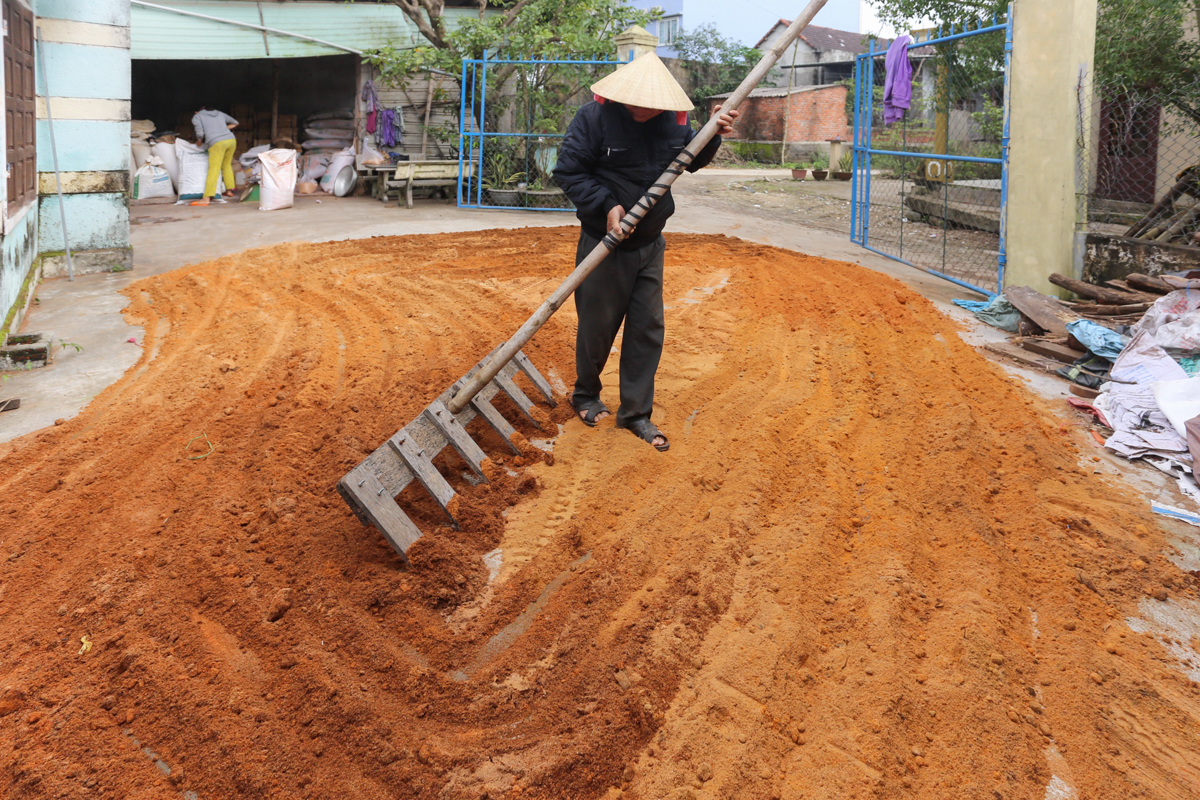
Du Van Nhan, whose family has been making incense sticks in the village for three generations, dries raw materials in front of his home.
Nearly a month before the Lunar New Year holiday, or Tet, which falls on Feb. 12 this year, Quan Huong Village in central Vietnam's Thang Binh District is infused with the fragrance of incense sticks.
During the most important holiday of the year, Vietnamese typically burn incense at pagodas or on ancestral altars at home.
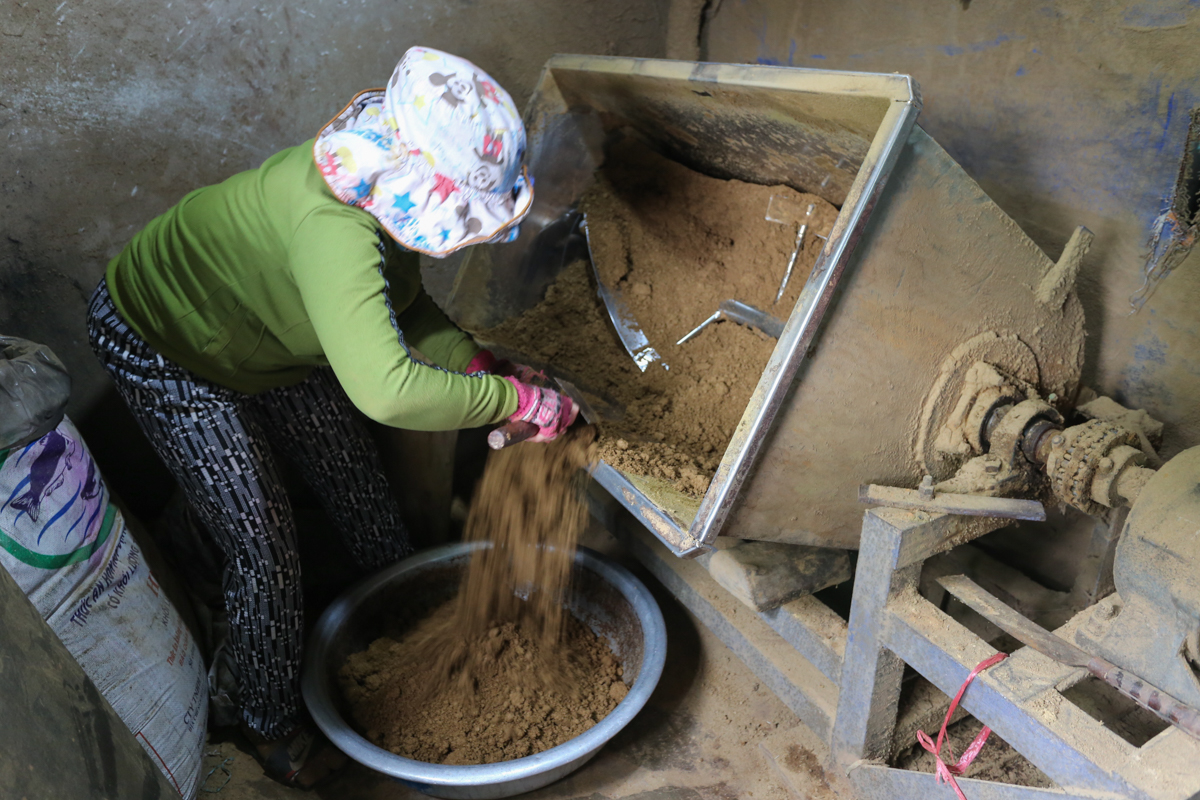
Materials used to make incense include saw powder, cinnamon, herbal medicine, and agarwood, dried and finely ground. Plastic powder and water are added to the final mix.
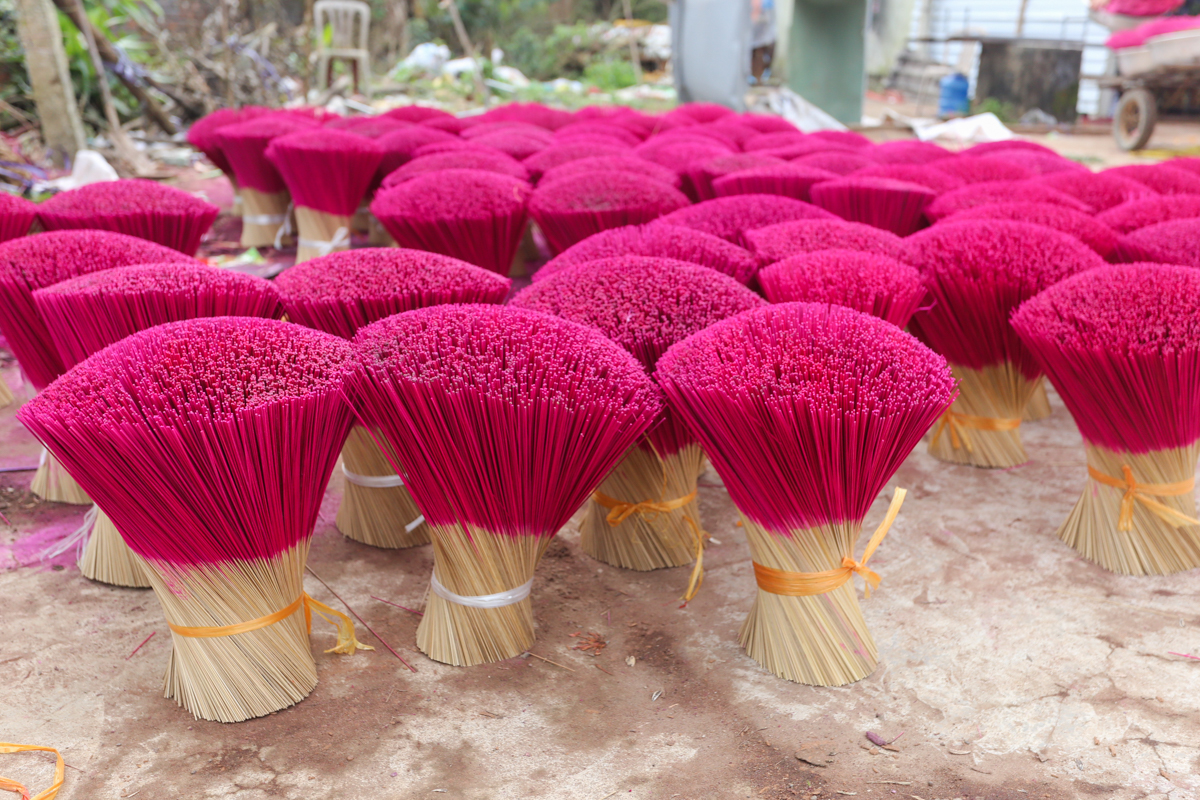
Sticks to make incense are bought from northern provinces for VND26,000 ($1.12) per kilogram.
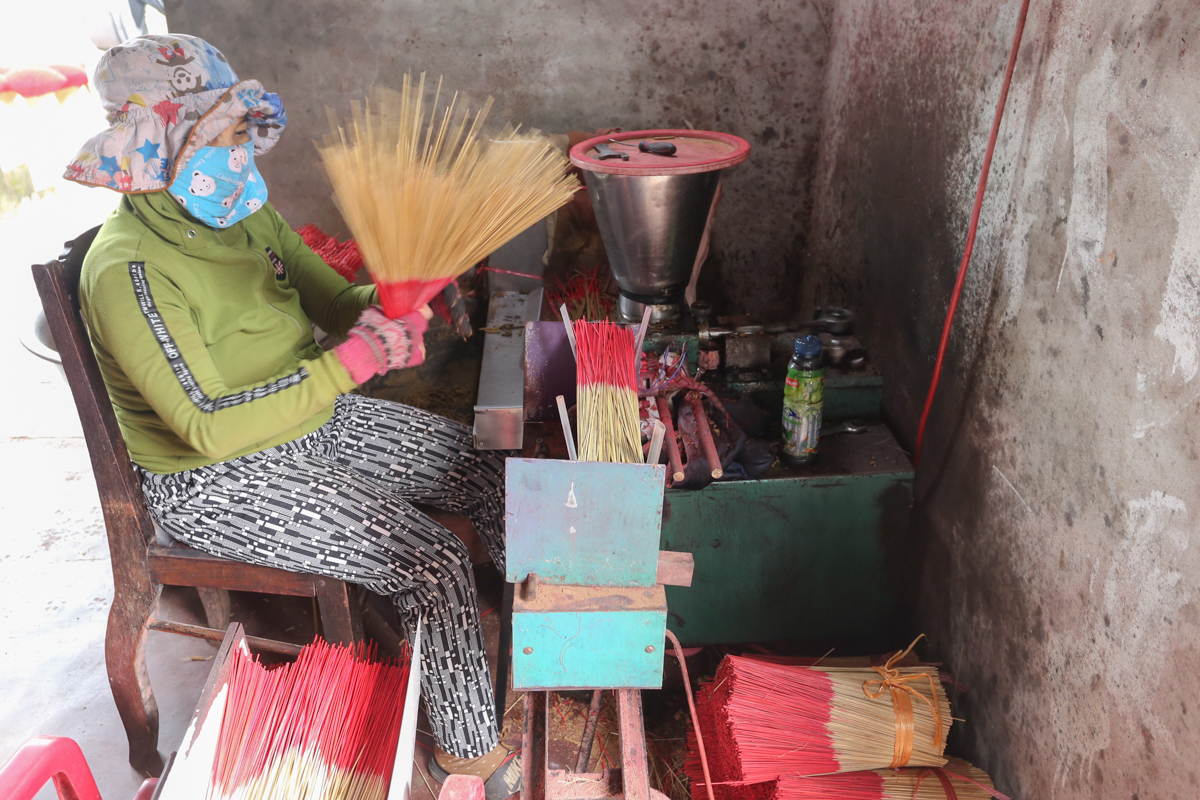
Manually-operated machines are used to produce incense.

Incense is usually dried in the sun for four consecutive hours.
Quan Huong Village produces incense all year round. But Covid-19 and continuous flooding in 2020 affected demand, said Nguyen Tu Ky, with 30 years’ experience. "Tet is the busiest time of the year in the village."

Incense is dried in local yards.

Some villagers use iron trusses for drying, each holding thousands of easily collected sticks.

Dried incense is packed into large bags.

Prices per bundle range from a cheap VND8,000 to VND30,000 ($1.29), while agarwood costs from VND300,000 per kilogram.

Every year, Quan Huong Village produces nearly 1,000 tons of incense for domestic consumption and export to Laos.