VIETNAM CHAMBER OF COMMERCE AND INDUSTRY
Liên Đoàn Thương Mại Và Công Nghiệp Việt Nam
Mon, May 04, 2026, 15:55:00
Energy leads the way
Amid intensifying global economic volatility driven by geopolitical conflicts and the ongoing energy transition, ensuring energy security has become an urgent task tied to Vietnam’s goals of high growth and sustainable development.
Speaking at the national conference on April 13, 2026 to study, disseminate and implement the Resolution of the second plenum of the 14th Party Central Committee, Party General Secretary and State President To Lam stressed: “In the overall planning, greater attention must be paid to energy planning. Without sufficient, stable, sustainable and reasonably priced energy that is properly allocated, successful industrialisation and modernisation are unattainable, sustained high growth cannot be achieved, and new development spaces cannot be created. Energy must be positioned within the overall national development framework, in relation to industry, urban development, logistics, digital infrastructure, green transition, resilience and national security, and must ensure self-reliance.”
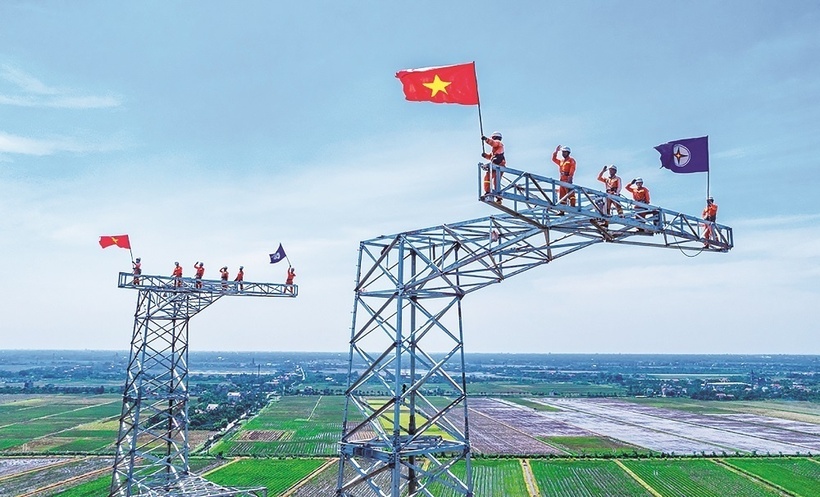
The Politburo has set a target to firmly ensure energy security by 2030, with a vision to 2045.
This directive once again underscores energy’s foundational role in the national development architecture. It is an essential condition for production and economic expansion, while also widening growth headroom, enhancing competitiveness and reinforcing long-term development security. It provides a critical basis for ministries and sectors to continue refining planning, policies and governance mechanisms, with a view to building a modern, stable and sustainable energy system that meets the country’s development requirements in a new context.
Speaking to the Newspaper of Industry and Trade, Hoang Van Cuong, Vice Chairman of the State Professor Council and Vice Chairman of the Vietnam Economic Science Association, emphasised that recent disruptions in major global energy supply regions have demonstrated how easily supply chains can be interrupted, driving up fuel prices and, in turn, increasing production and logistics costs. Rising input costs force businesses to adjust selling prices, exerting pressure on inflation and macroeconomic stability.
According to Hoang Van Cuong, energy has moved beyond being a conventional production input to become a factor shaping the entire economic value chain. Enhancing energy self-reliance, diversifying supply sources and promoting efficient and economical energy use have therefore become essential requirements in the national development strategy.
“Energy is now identified as one of the pillars of sustainable growth. An economy aiming to maintain high and stable growth must be underpinned by energy infrastructure that is robust, flexible and resilient to external shocks. When energy supply is secured, other growth drivers such as industry, logistics, urban development and green transition can operate effectively, creating new development space for the economy,” he said.
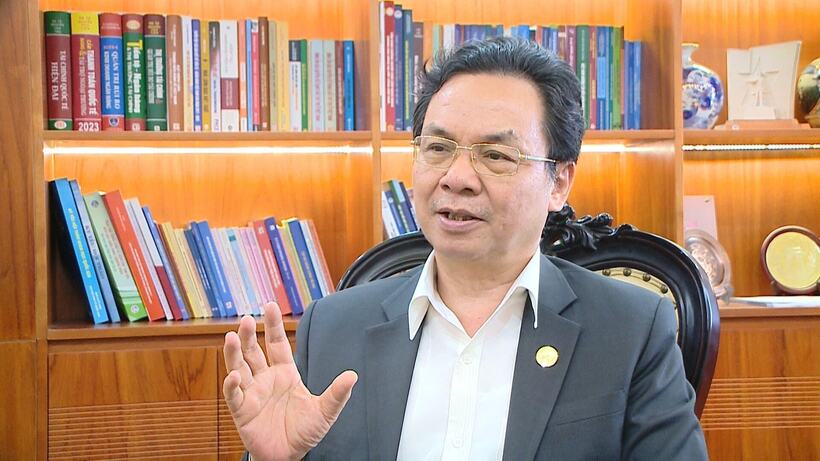
Hoang Van Cuong, Vice Chairman of the State Professor Council, Vice Chairman of the Vietnam Economic Science Association.
He added that the global energy transition is accelerating, placing Vietnam before a strategic choice of a development pathway that ensures energy security while fulfilling commitments on emissions reduction and sustainable development. This is a major strategic challenge, directly linked to economic growth targets and national competitiveness in the coming period.
The established direction is to develop a diversified energy mix, ensuring a balanced combination of traditional and renewable sources, while improving the efficiency of domestic energy exploitation and utilisation. This approach aims to build a balanced, flexible energy system capable of adapting to fluctuations in the international energy market.
More importantly, energy development thinking in the new phase requires a comprehensive and coordinated approach, encompassing energy supply development, technical infrastructure upgrades and policy refinement. “Energy transition has thus become a matter of national governance, requiring close coordination between the State and businesses to ensure energy security,” Hoang Van Cuong noted.
Upgrading energy infrastructure
Sharing this view, economist Pham Chi Lan said that focusing adequate resources on the energy sector would enable Vietnam to fundamentally address energy security, a key factor in promoting industrial development in the coming period.
According to her, as Vietnam moves toward developing future industries that are modern, green and technology-driven, electricity demand will rise rapidly in both scale and quality standards. The economy will therefore require a power system capable of supporting production while ensuring cleanliness, stability and sustainability, in line with increasingly stringent global market requirements. This reality underscores the urgent need to comprehensively upgrade the national energy system, from generation sources to transmission infrastructure and operational mechanisms.

Economist Pham Chi Lan.
Resolution No. 70-NQ/TW on ensuring national energy security to 2030, with a vision to 2045, marks a significant milestone in shaping Vietnam’s energy development strategy in the new phase. The Resolution introduces a range of breakthrough orientations, focusing on improving mechanisms to attract private investment into the energy sector while facilitating the accelerated implementation of key projects, thereby strengthening the foundation for national energy security.
It also promotes energy conservation and efficiency in tandem with emissions reduction and environmental protection goals. This reflects a shift in energy development thinking, from merely securing supply to managing demand, improving energy efficiency and advancing sustainable development.
Regarding renewable energy, Pham Chi Lan acknowledged the rapid progress in recent years, particularly the active participation of the business sector. She noted that an important lesson from this period is the need to build a long-term development strategy that ensures policy continuity and creates a transparent investment environment for enterprises. Priority should be given to developing energy storage systems and upgrading transmission infrastructure to effectively harness renewable energy sources and ensure stable power system operation over the long term.
These major orientations on energy security from the Party and Government highlight the central role of energy in national economic growth. They reflect a long-term vision, particularly as Vietnam targets high economic growth in the years ahead, where ensuring stable energy supply will be a fundamental prerequisite for sustainable economic development.