VIETNAM CHAMBER OF COMMERCE AND INDUSTRY
Liên Đoàn Thương Mại Và Công Nghiệp Việt Nam
Tue, Oct 13, 2026, 09:19:00
At the Launching Ceremony of the “Listening to Create” Initiative and the Strategic Partnership Signing Ceremony between VCCI and TH Group, Assoc. Prof. Dr. Ho Sy Hung, President of the Vietnam Chamber of Commerce and Industry (VCCI), said that the business community has faced numerous difficulties amid continued volatility in the global economy.
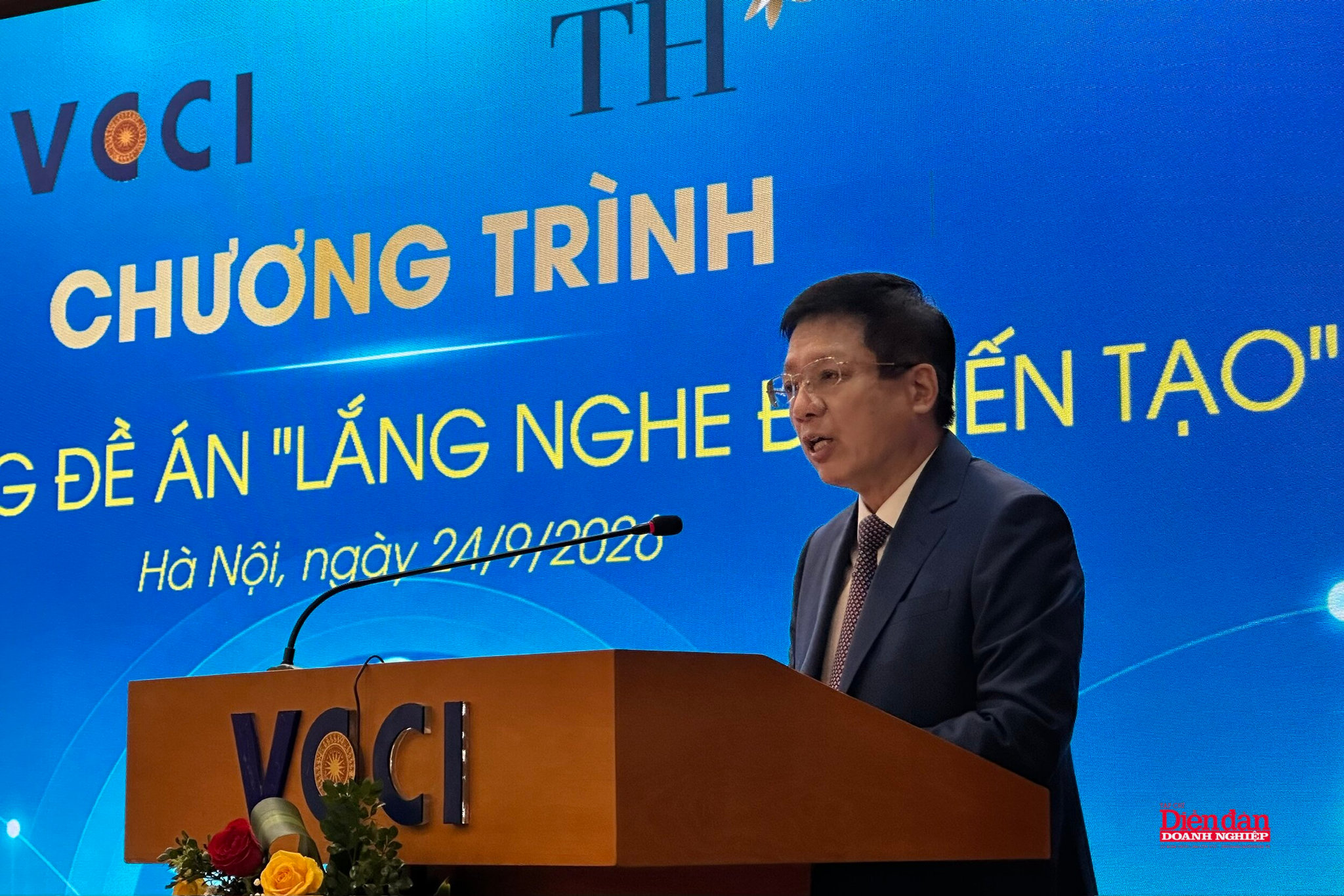
Assoc. Prof. Dr. Ho Sy Hung, President of the Vietnam Chamber of Commerce and Industry (VCCI), affirmed that the “Listening to Create” Initiative aims to shift from a “problem-solving” mindset to a “development-oriented” approach.
From Resolving Bottlenecks to Fostering Development
According to VCCI’s leadership, although the Party, State and Government have continuously introduced policies to streamline administrative procedures and remove barriers to business activities, implementation in some places and at certain times has continued to face bottlenecks. Legal barriers, overlaps among regulations, and prolonged administrative procedures continue to increase costs and time while affecting businesses’ investment and business opportunities.
In this context, Notice No. 394/TB-VPCP and Resolution No. 216/NQ-CP call for the establishment of effective mechanisms to capture practical issues, resolve difficulties in production and business activities, and build a transparent and favorable investment environment. VCCI launched the “Listening to Create” Initiative in response to these requirements.
Notably, the Initiative is not only aimed at receiving and resolving individual recommendations, but also seeks to shift from a “problem-solving” mindset to a “development-oriented” approach.
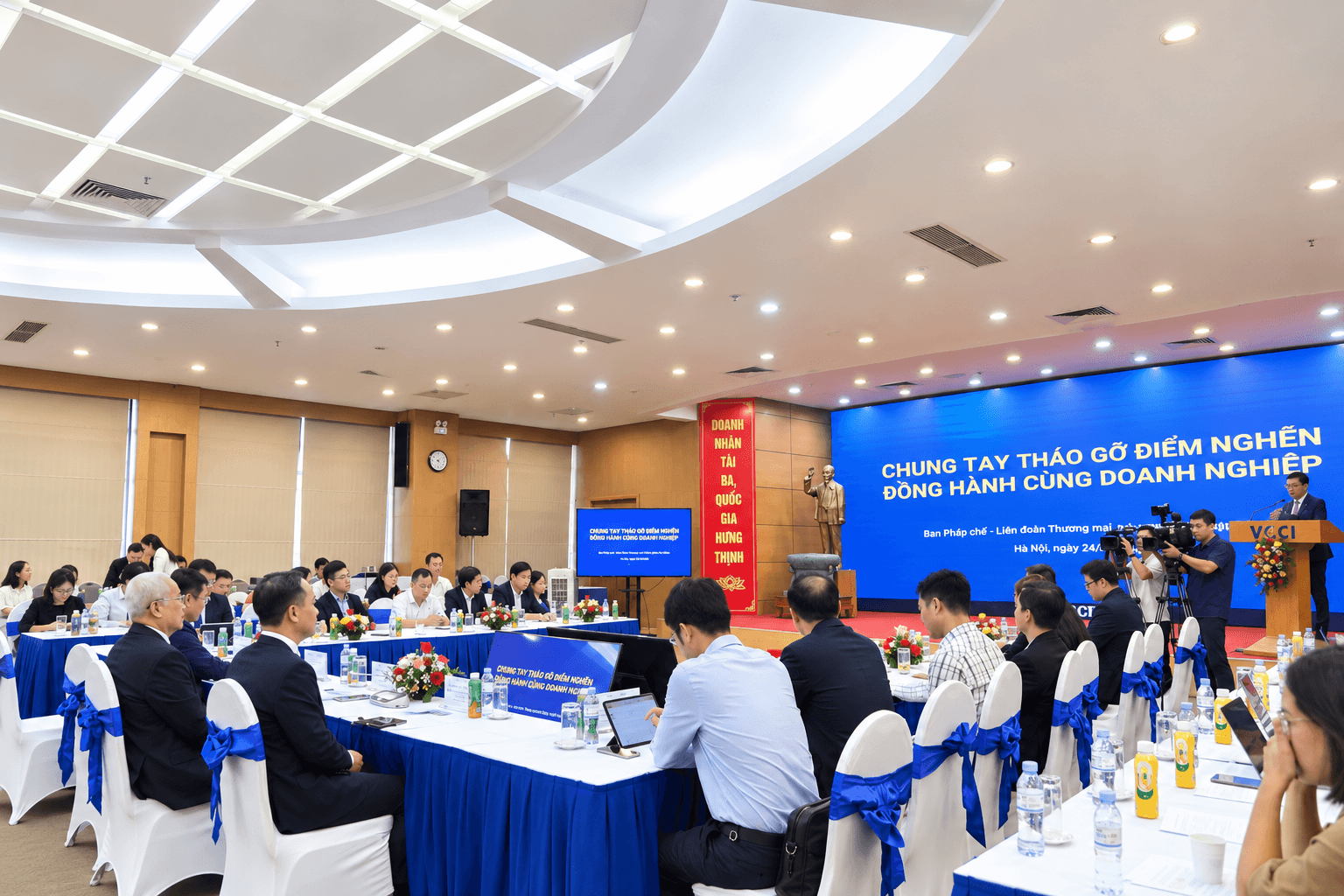
The Launching Program of the “Listening to Create” Initiative aims to work together to remove bottlenecks and support businesses.
According to Assoc. Prof. Dr. Ho Sy Hung, while resolving difficulties means addressing specific issues arising in individual cases, fostering development requires building a healthy institutional ecosystem in which policies are formulated based on practical realities and oriented toward the long-term development needs of the market.
This also entails a shift from “dialogue” to “action”. Feedback from businesses will be consolidated and analyzed by VCCI and the Initiative’s Working Group and translated into proposals to amend specific provisions, decrees and circulars. At the same time, progress will be monitored and reported to relevant regulatory agencies for the resolution of outstanding issues.
A notable feature of the current coordination mechanism is that the handling of recommendations from the business community has been incorporated into a regular monitoring process between VCCI and the Ministry of Finance.
Mr. Bui Anh Tuan, Director General of the Department for Private Enterprise and Collective Economy Development under the Ministry of Finance, said that after two months of implementing the new coordination mechanism, the Ministry of Finance and VCCI had reviewed and compiled 202 detailed recommendations from businesses. Of these, more than 100 recommendations had been fully addressed, with official responses issued, while nearly 100 others had been taken into consideration and included in the list of proposed amendments and supplements to forthcoming legal documents.
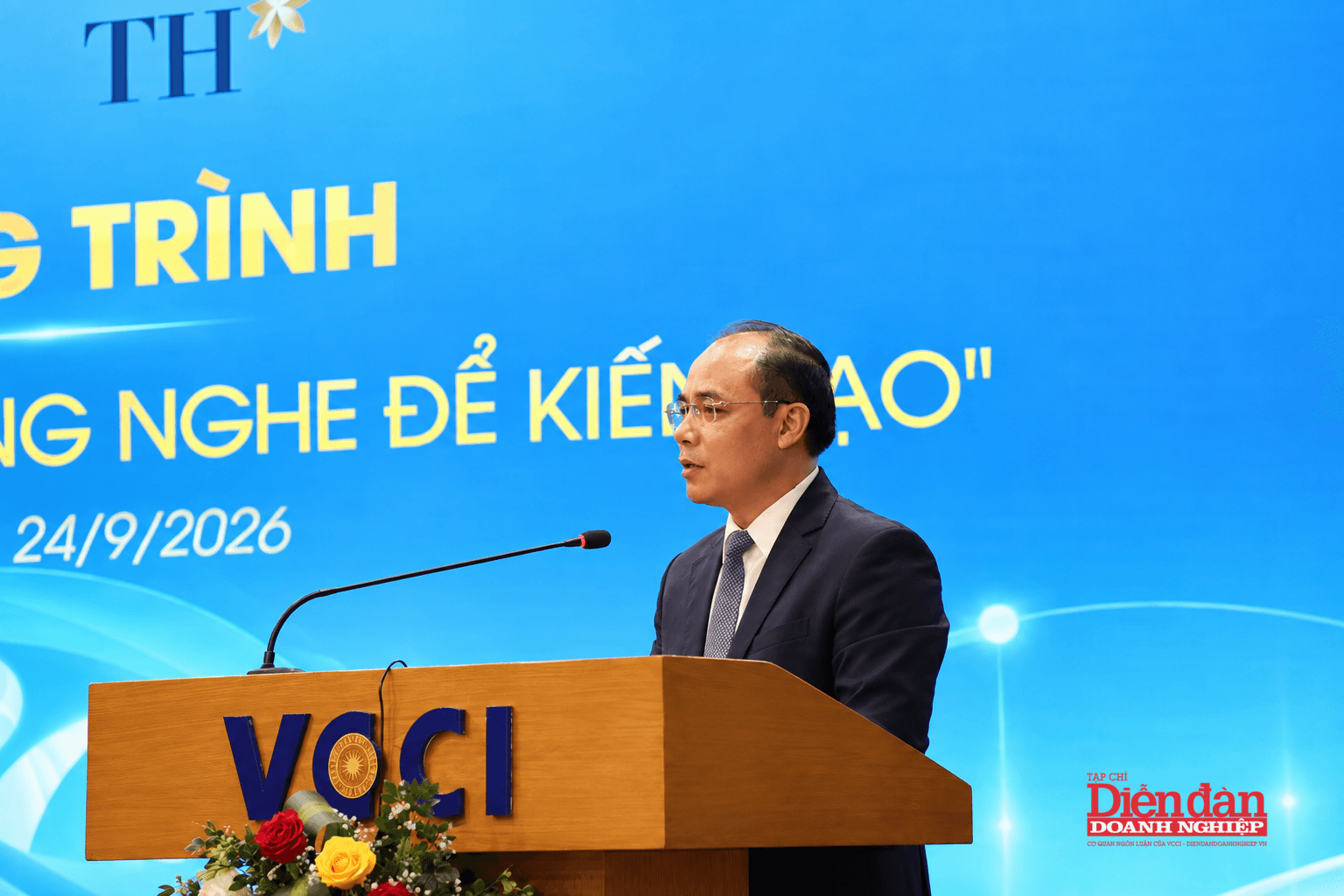
Mr. Bui Anh Tuan, Director General of the Department for Private Enterprise and Collective Economy Development under the Ministry of Finance.
To enhance transparency and monitoring, an inter-agency working group comprising the Ministry of Finance, the Department for Private Enterprise and Collective Economy Development, the VCCI Legal Department and the Government Office has been established to update data on a weekly basis.
The data is monitored by category, including the recommending organization, the area in which difficulties arise, relevant legal provisions and the progress of resolution. For areas where a large number of issues arise, such as taxation and customs, the Ministry of Finance’s leadership has requested relevant agencies to proactively contact businesses directly to identify the nature of the difficulties and avoid generic or procedural responses.
This approach demonstrates that the requirements for handling business recommendations are being raised to a higher level: not merely responding to businesses, but identifying the root causes, the responsible agencies and specific solutions.
Turning Feedback into Concrete Proposals and Actions
According to Mr. Ngo Minh Hai, Chairman of the Board of Directors of TH Group, businesses are directly responsible for putting policies into practice and are therefore often among the first to identify regulations, procedures or mechanisms that are not well aligned with practical realities. Therefore, establishing a rgular mechanism to receive, analyze and communicate issues raised by businesses is of significant importance.
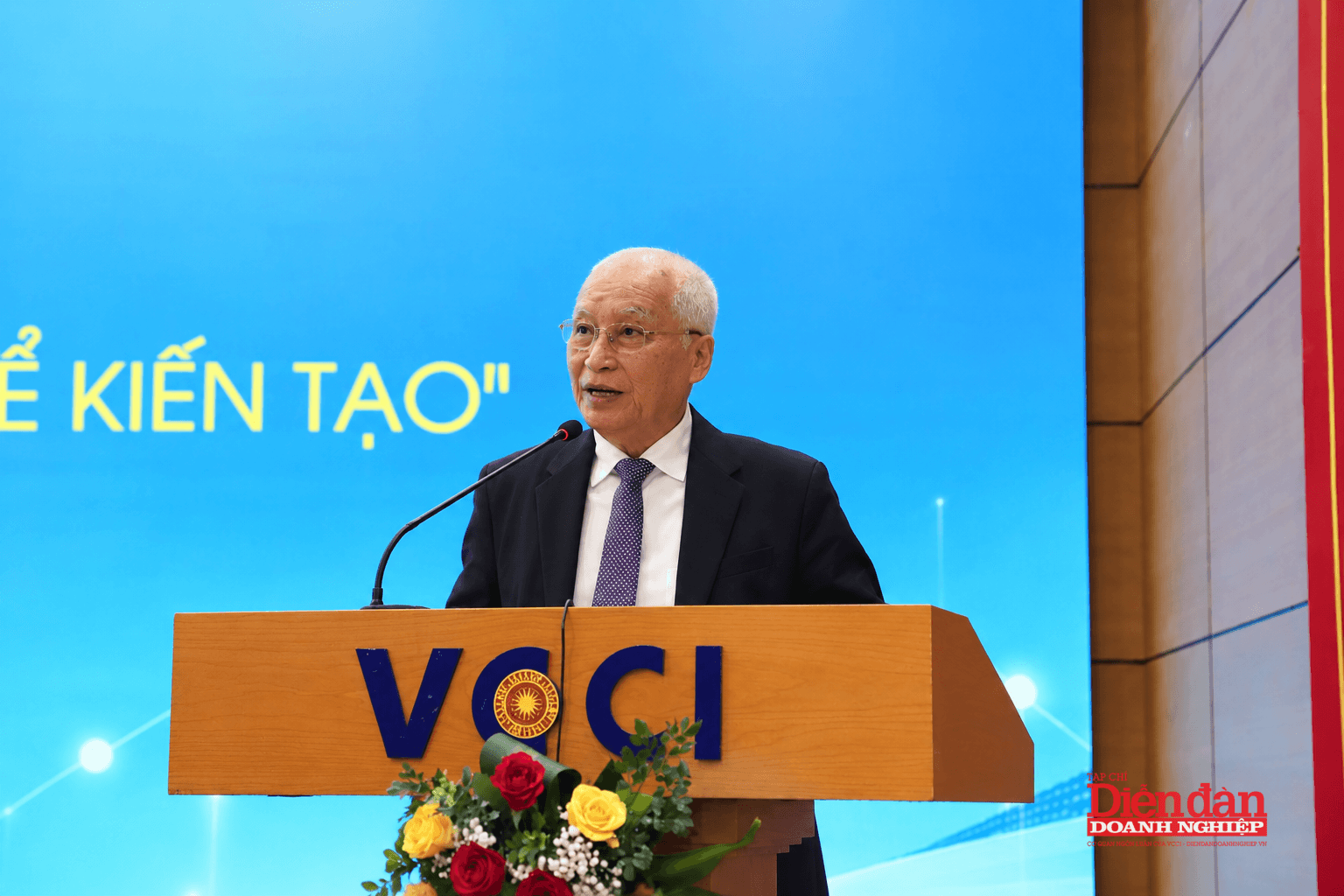
Mr. Ngo Minh Hai, Chairman of the Board of Directors of TH Group, affirmed that businesses are the direct actors in putting policies into practice.
From this perspective, the “Listening to Create” Initiative is expected to go beyond simply serving as a channel for receiving recommendations. The value of the mechanism lies in its ability to identify systemic bottlenecks from individual feedback and subsequently translate them into policy proposals.
TH Group believes that the private sector can contribute to improving the business environment not only by raising difficulties faced by individual businesses, but also by contributing resources to build shared capacity for the business community and the economy.
Accordingly, the resources allocated to the Initiative should not be viewed solely in financial terms, but should also include practical data, expert knowledge, technology and management experience. These resources are expected to support VCCI in establishing a standing Working Group and connecting a network of experts in the fields of law, economics, finance, investment, science and technology, and management.
The objective is to establish a focal point capable of receiving, screening, analyzing, reviewing, making recommendations and monitoring the results of handling business feedback, rather than simply recording the feedback and forwarding it to the relevant authorities.
For businesses, the Initiative aims to create a transparent and systematic channel for raising difficulties while also contributing initiatives. More importantly, specific issues can help identify systemic bottlenecks and form the basis for recommendations on policy changes, thereby contributing to improvements in the business environment.
For central government agencies, this mechanism can provide data from actual production and business activities, thereby helping identify gaps between policy directions and implementation. Reports under the Initiative are expected to clearly identify the issues, their causes, the responsible agencies and proposed solutions.
At the local level, data on specific difficulties can support evidence-based administrative reform. Instead of simply knowing that businesses are facing difficulties, management agencies can identify which procedures and stages give rise to such difficulties and determine their underlying causes.
More broadly, the ultimate goal is to translate practical initiatives and recommendations into institutional solutions. This is also closely linked to the goal of promoting growth, as part of the economy’s development potential lies in unlocking resources that are currently constrained by mechanisms, procedures and shortcomings in the implementation process.
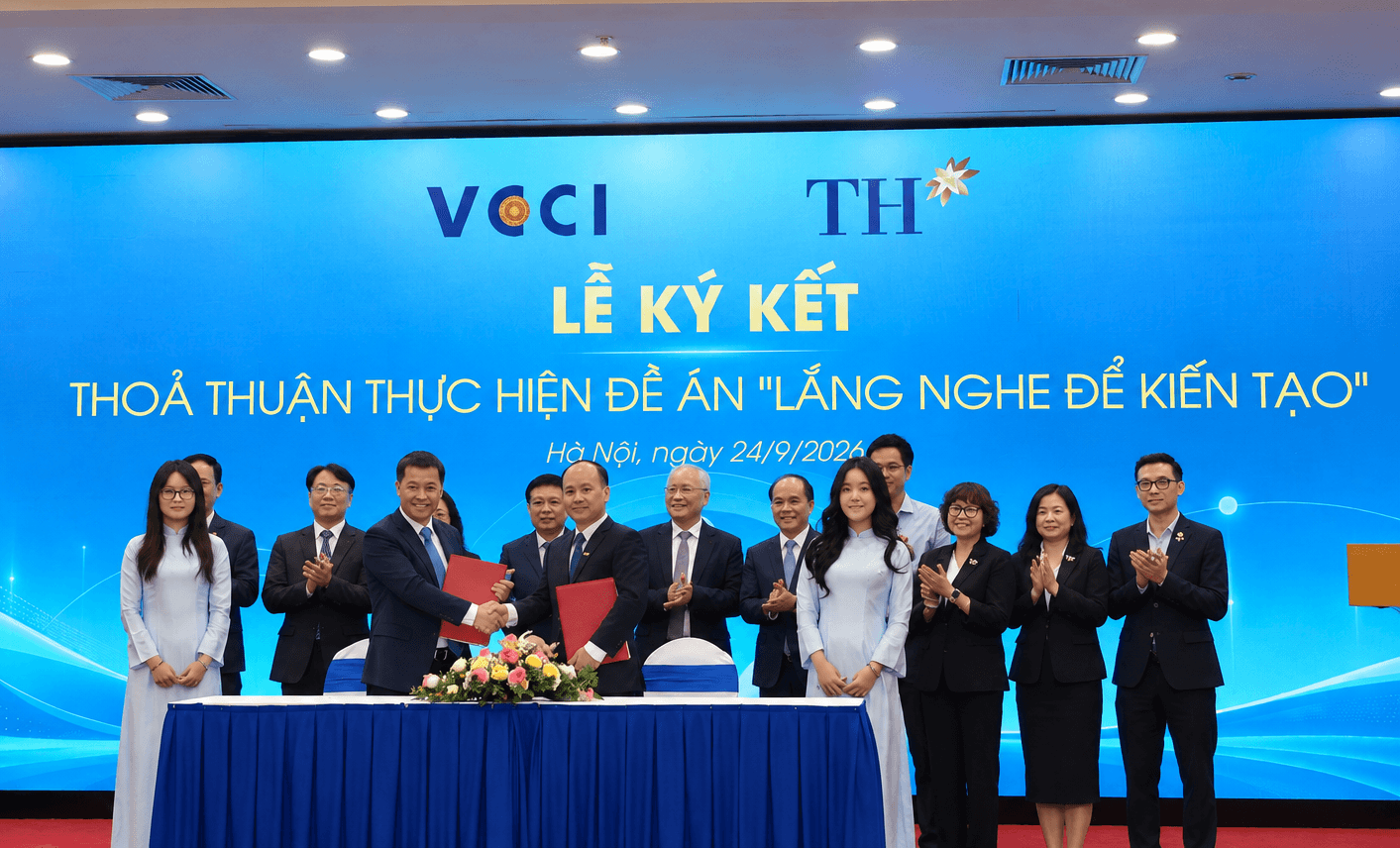
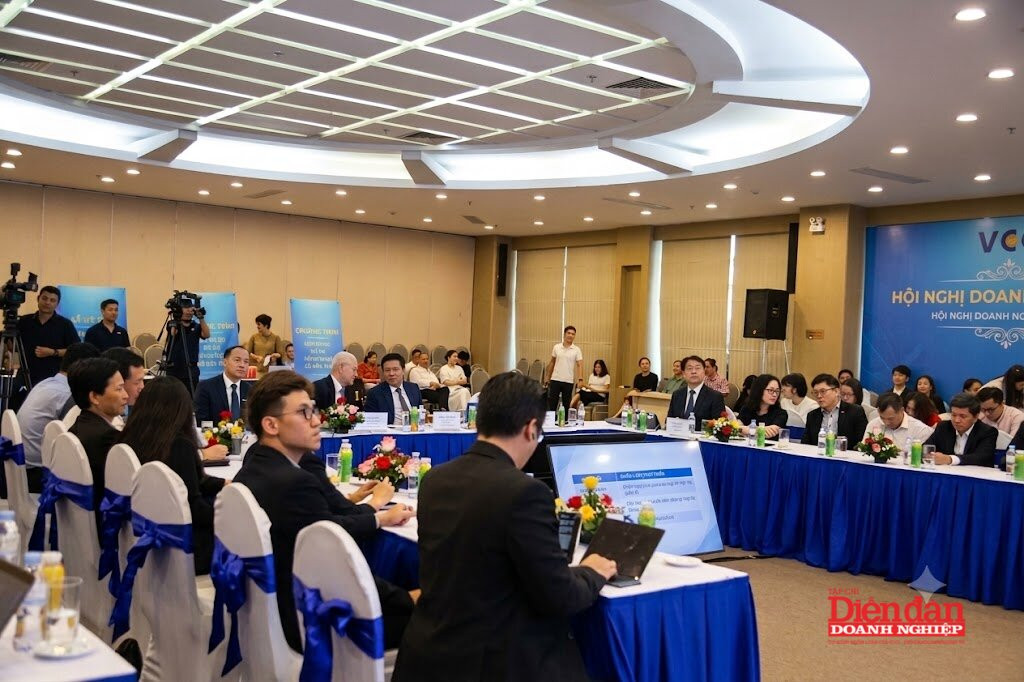
As part of the program, the Vietnam Chamber of Commerce and Industry (VCCI) also signed a Cooperation Agreement with TH Group to implement the “Listening to Create” Initiative. As a business partnering with VCCI in implementing the Initiative, TH Group’s leadership expressed the hope that this would mark the starting point of a new action-oriented mechanism, in which businesses’ practical voices are systematically heard, analyzed through expert knowledge and, most importantly, translated into specific proposals and actions.