VIETNAM CHAMBER OF COMMERCE AND INDUSTRY
Liên Đoàn Thương Mại Và Công Nghiệp Việt Nam
Tue, Feb 24, 2026, 12:39:00
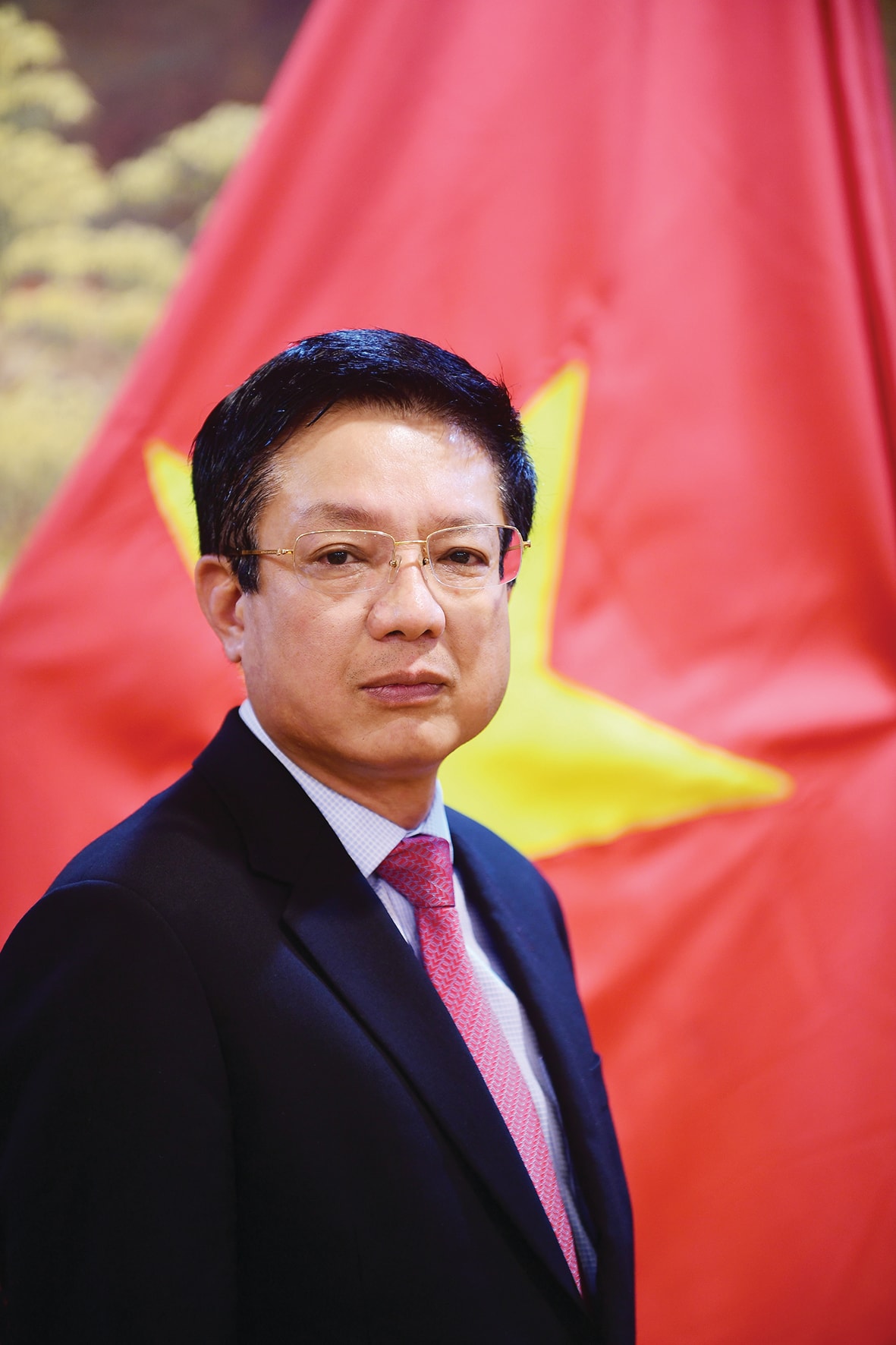 Ahead of the Lunar New Year of Binh Ngo 2026, Associate Professor, PhD Ho Sy Hung – President of the Vietnam Chamber of Commerce and Industry (Liên đoàn Thương mại và Công nghiệp Việt Nam – VCCI) emphasized: In 2026 – the beginning of the nation’s “era of rising”, the business community, especially private enterprises whose political position and role have been established, will take the lead in participating in the process of national prosperity, implementing a new growth model, and contributing to realizing the two 100-year goals set by our Party.
To effectively achieve this goal, VCCI will continue, together with the business community, striving for rapid and sustainable growth based on innovation and the application of science and technology, focusing on key areas such as the green economy, the digital economy, the data economy, and others.
Developing internal strength
- The Lunar New Year of Binh Ngo 2026 is the first year of the new term and the year to implement the Resolution of the 14th National Party Congress. This meaningful moment also creates a very important turning point in the development of the economy and the Vietnamese business community, sir?
The goals set by the Party and the State are to achieve double-digit growth in the 2026–2030 period in order to move Vietnam out of the middle-income trap; by 2030, to become a developing country with modern industry and upper-middle income; and by 2045, to become a developed country with high income. The key to realizing these major goals, as identified by the Party, is to promote the internal strength of the economy, strongly develop the private economic sector, and at the same time integrate the economy deeply into the international economy.
To create the foundation for this important transformation, the Politburo has issued eight important and strategic resolutions across most of the country’s key sectors. Among them, Resolution No. 68 has established the position of the private economic sector both politically and institutionally in the economy, with the role of participating in, contributing to, and mastering production and business activities.
This is an important viewpoint that creates the basis for issuing mechanisms and policies for implementation in the coming time, contributing to strengthening business confidence and inspiring the entrepreneurial spirit within the Vietnamese business community. Another basis, in my view, is that in the context of integration as an inevitable trend, the private economic sector is highly dynamic and can access new developments and global achievements in order to move faster, more firmly, with greater efficiency and value.
Therefore, in Resolution No. 68, the Party and the Government have opened the way and created important conditions for Vietnamese enterprises, especially private enterprises, to pioneer entry into new and more effective fields such as the green economy, the digital economy, the data economy, and high-tech industries – the development trends of the future.
- In efforts to build an important foundation for high growth, VCCI, as the national organization representing the Vietnamese business community, has proactively and actively participated in this process, sir?
VCCI has made many prominent and meaningful contributions in implementing the goals of private economic development in the spirit of Resolution No. 68 as well as efforts to enhance the competitiveness of the business community.
VCCI has strengthened its participation in providing policy feedback, focusing deeply on key economic laws such as the Law on Enterprises, the Law on Investment, the Law on Land, and the Law on Planning; proactively compiling more than 450 recommendations reflecting difficulties faced by enterprises and associations, and coordinating the organization of large-scale consultation conferences, thereby creating substantive dialogue channels between management agencies and enterprises. Many difficulties faced by enterprises have been resolved, and many recommendations have been received by management agencies and incorporated into draft laws amending a number of regulations on business investment and tax policies.
Also in 2025, VCCI actively participated in and coordinated the implementation of external relations activities associated with high-level visits and meetings of leaders of the Party, the State, and the Government, proactively signing Memoranda of Understanding with promotion organizations and foreign chambers of commerce. Through these activities, the network of partners has been expanded, establishing long-term cooperation frameworks for Vietnamese enterprises in key markets such as the United States, the European Union, Japan, South Korea, and several potential markets in the Middle East and Africa.
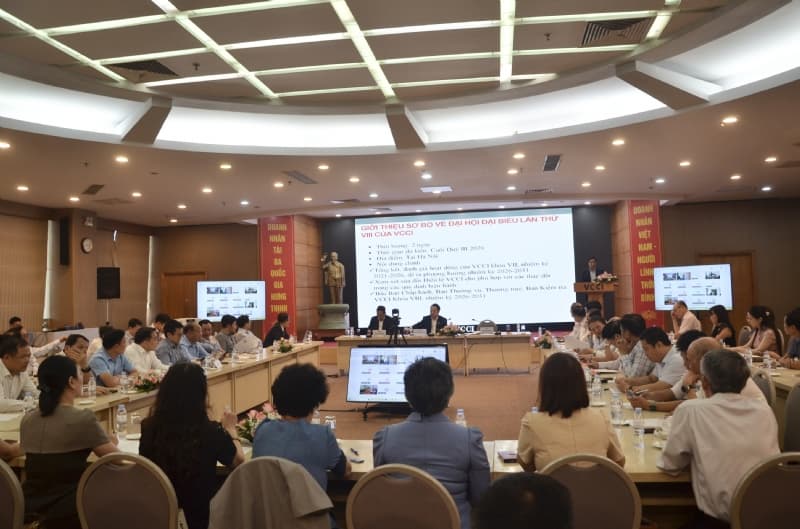
Domestically, VCCI regularly organizes forums and conferences to update new mechanisms and policies, as well as knowledge and skills to support enterprises in proactively building production and business strategies in line with new requirements. For example, the annual tax and customs dialogue conference in 2025 recorded 13,500 visits, with more than 600 questions answered.
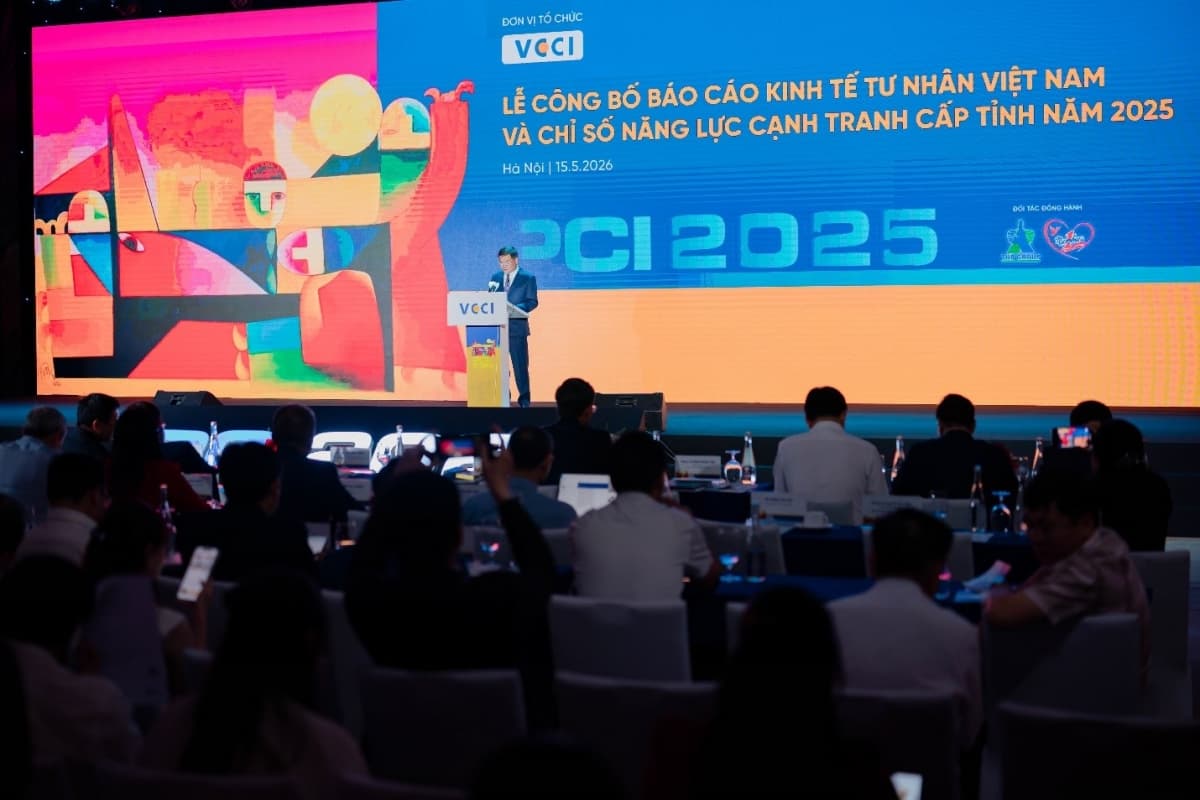
In September 2025, VCCI announced the initiative of the annual Vietnam Private Economy Report. This initiative marks an important step by VCCI in providing comprehensive and in-depth information on the status, opportunities, and challenges of the private economic sector – an important driving force of the Vietnamese economy.
Earlier, in July 2025, VCCI also coordinated with corporations that are members of ABAC Vietnam to host the ABAC III Meeting in Hai Phong City. The event gathered more than 200 delegates who are ABAC members and assistants, including leaders of large corporations, multinational companies, and leading enterprises from the 21 member economies of APEC.
In 2025, VCCI also admitted more than 450 official members and recognized over 3,000 affiliated members, bringing the total number of official and affiliated members of VCCI to more than 200,000, thereby creating more forums between the business community and state authorities.
Accompanying and creating
- From the perspective of enterprises, in your opinion, what fundamental factors should Vietnamese enterprises focus on in order to both improve competitiveness and seize development opportunities in 2026 and the years ahead?
The year 2026 is forecast to see continued unpredictable economic fluctuations, requiring enterprises to have long-term development strategies and continue to be flexible and adaptive to changes in trade and investment policies, as well as technical and environmental barriers from some major partners. Based on the strategic orientations that the Party and the Government have paved the way for, enterprises need to be proactive and creative, taking direct approaches to new trends and new markets that match Vietnam’s advantages and strengths.
In particular, enterprises should recognize some new opportunities as certain conditions have begun to form in several new strategic sectors such as the digital economy, the data economy, and the green economy. At the same time, the business community should continue to promote growth through exports – one of the main drivers of economic growth.
However, in recent times, Vietnamese enterprises have succeeded in producing products and goods that replace imports but have not yet strongly developed high-value goods suitable for rising income levels and for growth of over 10%, with GDP targeted to reach 5,400–5,500 USD per person per year in 2026.
Therefore, in my opinion, enterprises need to focus on researching and exploiting emerging demand in the domestic market of more than 100 million people, especially when income in 2025 reached 5,000 USD per person – classified as upper-middle income – with demand for goods that contain high technological value.
- Sir, with the role of a “locomotive” leading the business community and Vietnamese entrepreneurs in embracing this major mission and responsibility, what specific contents will VCCI implement?
In 2026, VCCI will follow the policies and strategic orientations set by the leaders of the Party and the State. At the same time, with its role as the national organization representing the business community, VCCI will continue to effectively fulfill its mission of standing side by side with, encouraging, and motivating the business community to actively and proactively participate in contributing to the realization of the double-digit growth target and other major goals.
Continuing to affirm its representative role in policy making, VCCI will work with ministries and sectors to focus decisively on reviewing and reducing business conditions and compliance costs, thereby contributing to improving a favorable and transparent business environment.
In addition, VCCI will strengthen the collection, reception, and consolidation of recommendations reflecting difficulties and obstacles faced by enterprises, thereby identifying institutional “bottlenecks” that create barriers in implementation in order to advise the Government and ministries on timely solutions; and increase the participation of the business community in the process of law and policy development.
In 2026, enterprises still have much room for growth and market expansion. VCCI will work with enterprises to make more effective use of the advantages of free trade agreements (FTAs), promote exports to traditional high-value markets, and at the same time seek new markets that are suitable for the production capacity being strengthened by Vietnamese enterprises.
Conversely, VCCI will connect associations, corporations, and major investors around the world to invest in Vietnam, focusing on several key areas such as data centers, international financial centers, and free trade zones.
VCCI will develop a project to connect the Vietnamese business community (Vietcham) both domestically and abroad in order to optimize resources and seize business and investment opportunities.
- In addition to economic goals, developing entrepreneurial culture and business culture is one of the long-term orientations of the Party and the State. How will VCCI continue to realize this strategy in the Lunar New Year of Binh Ngo 2026, sir?
In the context of many fluctuations in the global economy, as major markets increasingly set higher requirements regarding technology, environment, and social responsibility, entrepreneurial culture and business culture become even more important.
Corporate culture in the new context is reflected in legal compliance, social responsibility, providing products of the right quality and commitments, and contributing to the development of enterprises and the economy. In the new year, VCCI will continue to promote higher business standards, entrepreneurial ethics, and spread the spirit of integration, creativity, and responsibility throughout the Vietnamese business ecosystem.
- The Lunar New Year of Binh Ngo 2026 marks the beginning of the nation’s “era of rising”. At this special moment at the start of the new year, could you share your feelings and expectations for the Vietnamese business community?
In the new year, I hope that every Vietnamese enterprise will maintain an optimistic spirit, remain steadfast in its mission, and continuously innovate to adapt to global trends with the spirit of: PERSEVERANCE – SUBSTANCE – EFFECTIVENESS.
The new year opens up new opportunities. I believe that with the aspiration to rise as their driving force, the Vietnamese business community will not only recover strongly but also achieve remarkable breakthroughs, contributing to bringing the country closer to the goal of becoming a strong and prosperous nation by 2045.
Wishing the business community a new year of peace, prosperity, and full of innovative energy!
- Thank you very much!