VIETNAM CHAMBER OF COMMERCE AND INDUSTRY
Liên Đoàn Thương Mại Và Công Nghiệp Việt Nam
Wed, Apr 15, 2026, 15:32:00
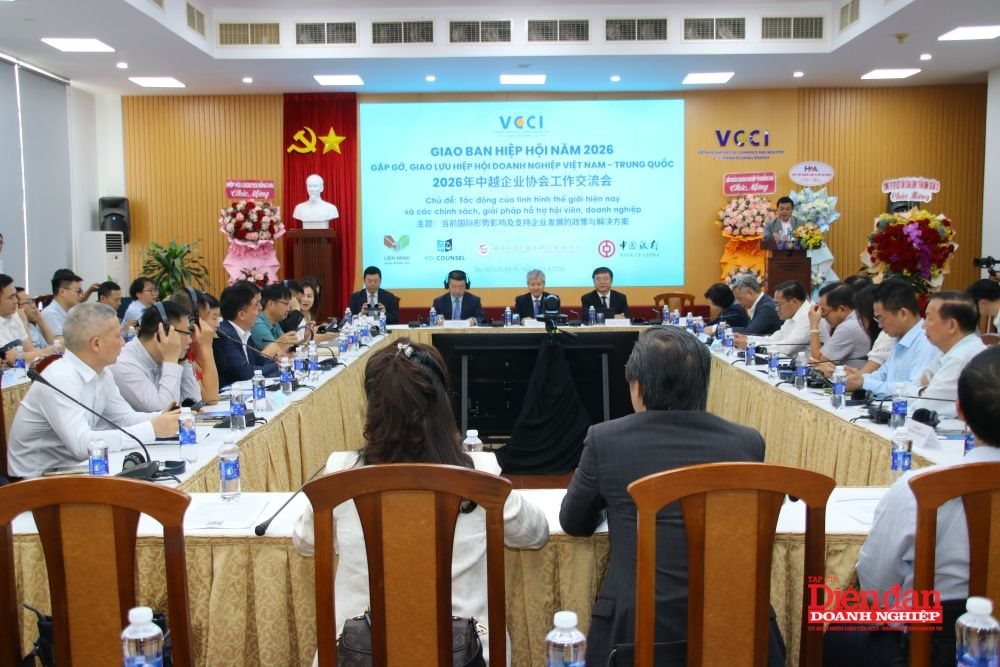 On the afternoon of April 10, VCCI-HCM held the 2026 Association Briefing Conference with the theme “Meeting and Exchange between Vietnam–China Business Associations.”
According to Mr. Võ Tân Thành, the world is undergoing profound, rapid, and unpredictable changes. Strategic competition among major economies is intensifying, global supply chains continue to be restructured, and trends such as trade protectionism, investment shifts, and challenges related to climate change, energy security, and food security are significantly impacting the global business environment.
For Vietnamese enterprises, he noted, these developments present both major challenges and new opportunities. Challenges include rising costs, fluctuating export markets, and increasingly stringent standards. However, opportunities are also evident, particularly in deeper participation in regional value chains, attracting investment, and expanding cooperation with international partners, including China.
Mr. Thành emphasized that China is currently Vietnam’s largest trading partner, while Vietnam is also one of China’s leading trading partners in ASEAN. Economic relations between the two countries are becoming increasingly interconnected and complementary, with strong potential for growth in areas such as industrial manufacturing, logistics, high-tech agriculture, e-commerce, digital transformation, and the green economy.
In this context, he stressed the importance of organizing open and multi-dimensional dialogue platforms among regulators, associations, and businesses from both countries.
“I believe that with the participation of speakers, experts, and practical insights from associations and enterprises, today’s conference will provide valuable information and important suggestions. From VCCI’s perspective, we clearly define our role as the national organization representing the business community and as a bridge between businesses and the Government, as well as between Vietnamese enterprises and the international business community,” he said.
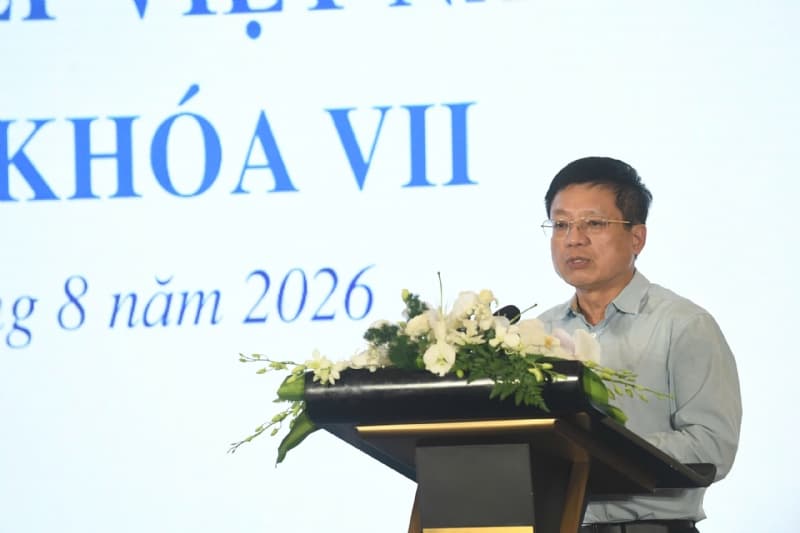
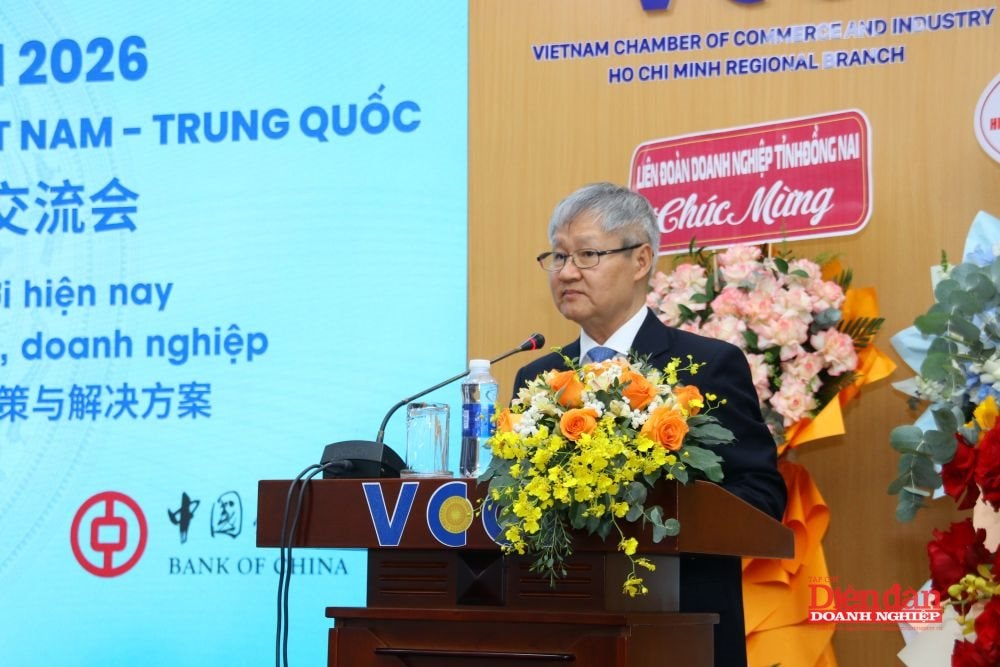 VCCI Vice President Võ Tân Thành speaking at the conference.
Mr. Thành added that VCCI has been implementing various activities to support businesses, particularly through sectoral and local associations, including: enhancing information provision and market and policy forecasting; promoting policy dialogue between businesses and regulators; supporting improvements in governance capacity, digital transformation, and green transition; facilitating trade connections and export market expansion; and especially promoting international cooperation, including with Chinese partners.
However, in the new context, he stressed that business associations must further strengthen their roles. Associations should not only gather members but also become: hubs for information and market connectivity; platforms to enhance business competitiveness; and influential voices representing business interests in policy advocacy.
Regarding Vietnam–China business cooperation, Mr. Thành highlighted three major orientations:
First, promoting deeper cooperation and increasing value-added, rather than remaining at the level of traditional trade. Enterprises from both sides should strengthen production linkages, participate in supply chains, transfer technology, and develop supporting industries.
Second, leveraging opportunities from digital transformation and e-commerce. China has extensive experience in this area, while Vietnam offers a dynamic market with strong growth potential, creating highly effective opportunities for cooperation.
Third, moving toward sustainable development and a green economy. Environmental, social, and governance (ESG) standards are becoming mandatory requirements, presenting both challenges and opportunities for enterprises in both countries to upgrade their development models.
“I also propose that business associations from both countries further strengthen practical cooperation activities: regularly organizing forums and specialized seminars; establishing direct business-to-business connection channels; supporting the resolution of issues arising during cooperation; and jointly building a transparent, stable, and favorable business environment,” he suggested.
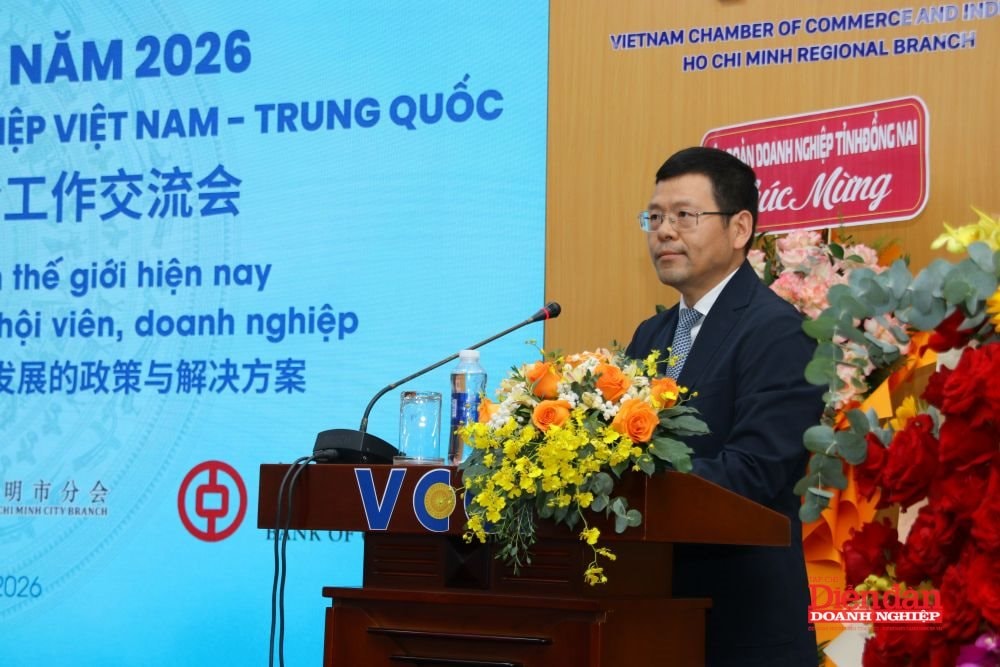 Mr. Trương Lâm – Chairman of the China Enterprises Association in Vietnam, Ho Chi Minh City Chapter, speaking at the briefing session.
Trương Lâm stated that the global economic landscape is currently undergoing rapid changes. Recent developments in the Middle East not only affect regional security but also have broad impacts on the global economy through channels such as energy prices, international trade, and transportation systems.
He noted that in recent years, Vietnam’s economy has maintained positive growth, while its dependence on energy imports has been increasing. As a result, fluctuations in global oil prices, supply chain efficiency, and logistics costs can directly affect the economy and business operations in Vietnam.
However, he emphasized that alongside challenges, “new opportunities” can also emerge from crises. As global supply chains are being restructured, more businesses are seeking stable and diversified supply models. In this context, Southeast Asia, particularly Vietnam, with its stable political environment, open trade policies, and increasingly developed manufacturing system, is becoming a key link in the global supply chain.
He also highlighted that economic and trade cooperation between China and Vietnam continues to strengthen, with many Chinese enterprises expanding collaboration with Vietnamese partners in sectors such as industrial manufacturing, infrastructure, green energy, and the digital economy.
“As a representative organization of the Chinese business community in Vietnam, the Ho Chi Minh City Chapter of the China Enterprises Association in Vietnam strives to act as a bridge. On one hand, we actively build platforms for information exchange and cooperation among member enterprises; on the other hand, we promote connections between businesses and government agencies as well as industry organizations,” he emphasized.