The Ministry of Agriculture and Environment has officially issued its Science, Technology, and Innovation Plan for the 2026-2030 period.
The plan identifies these fields as the primary drivers for shifting the sector’s growth model toward a green, ecological, low-emission, and circular economy, supported by digital transformation.
The plan sets a clear objective: science, technology, and innovation must contribute directly to increasing productivity, quality, added value, and the sector's overall competitiveness. Simultaneously, these advancements will modernize resource management, environmental protection, and the development of ecological agriculture.
Accordingly, by 2030, the ministry aims for Total Factor Productivity (TFP) to contribute over 55% to the sector's growth. Non-budgetary resources for science and innovation are expected to account for 30-35% of the total funding for projects with commercial potential.
Furthermore, the ministry plans to train approximately 150 core experts and scientists, alongside 1,300 personnel specialized in innovation, digital transformation, intellectual property (IP) management, and research commercialization.
The plan also forecasts a 10% average annual increase in international scientific publications and a 16-18% yearly rise in IP applications and protection titles. At least 30% of all research results are expected to be applied, transferred, or utilized in state management.
A notable goal is the establishment of at least five innovation centers and providing support to at least 50 businesses in accessing new technologies, industry standards, and IP policies.
The portfolio of scientific and technological tasks will be restructured to be more focused and strategic, moving away from fragmented projects. Priority will be given to interdisciplinary and inter-regional programs with high spillover effects. These will directly serve objectives such as green growth, low emissions, food and water security, and climate change adaptation.
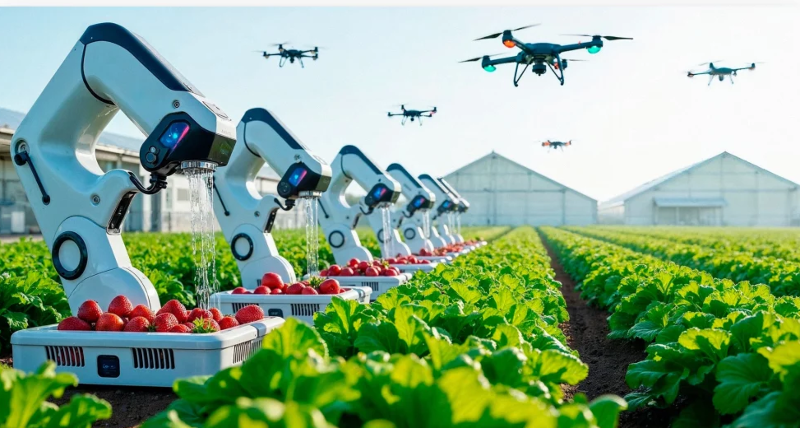
A key highlight of the plan is the development of digital infrastructure, data ecosystems, and shared platforms, including core databases, digital maps, and digital twins. Cutting-edge technologies—such as AI, Big Data, blockchain, and cloud computing—will be integrated into state management and public services.
Additionally, the ministry will pilot a "State-led budget, societal co-investment" model. Under this initiative, the State will provide the foundation by investing in digital infrastructure and core databases, while the private sector is encouraged to invest in equipment, technology, and application platforms.