Hanoi (VNA) – Laos is not only a close neighbour of Vietnam but has also become a promising destination for Vietnamese businesses seeking to expand investment and operations abroad.
Trade and investment ties between the two countries have grown strongly in recent years. Bilateral trade reached a record 2.2 billion USD in 2024 before rising to 2.98 billion USD in 2025, up 33% year on year.
In the first six months of 2026, Vietnam imported more than 22,000 tonnes of glutinous rice from Laos, up over 12% year on year. Laos was also Vietnam’s third-largest rice supplier, with nearly 33,000 tonnes shipped during the period. Imports of Lao fruits and vegetables reached nearly 9 million USD in 2025, up 200% from the previous year.
Meanwhile, Vietnamese consumer goods producers increasingly see Laos as a potential market. The Vietnam-Laos Trade Fair 2026 in Vientiane in July attracted 170 Vietnamese businesses operating in agriculture, forestry, fisheries, textiles, wood products, consumer goods, electronics, industrial machinery, medical supplies and pharmaceuticals.
Vietnamese Ambassador to Laos Nguyen Minh Tam said stronger economic connectivity and better use of geographical advantages, border infrastructure and bilateral and multilateral trade agreements are strategically important amid complex regional and global developments. With the determination of the two countries’ leaders, bilateral trade is expected to reach 4 billion USD in 2026 and 10 billion USD by 2030.
Vietnamese investment in Laos has also surged. Vietnamese businesses invested more than 638 million USD in Laos in the first seven months of 2026, bringing total registered investment to over 7 billion USD through more than 270 projects. Laos is now the largest recipient of Vietnamese overseas investment, accounting for about 27% of Vietnam’s total outward investment.
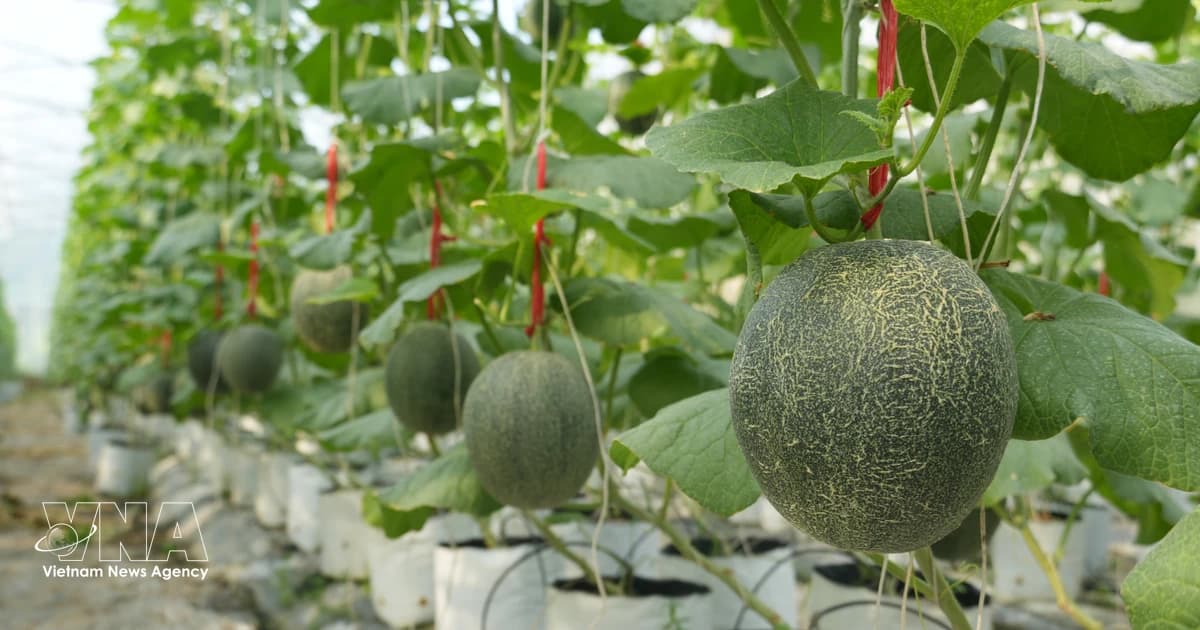
Major Vietnamese companies have established a strong presence in the Lao market. Hoang Anh Gia Lai has invested billions of US dollars in Laos over more than a decade, including a 20,000-ha Arabica coffee project in Paksong and large-scale durian plantations.
Green SM launched Laos’ first all-electric taxi service in late 2023. By May 2025, its customers had travelled more than 8 million kilometres in electric vehicles (EVs), contributing to lower greenhouse gas emissions. The company has since introduced the Green SM Platform, enabling VinFast EV owners in Laos to participate in transport services and earn stable income.
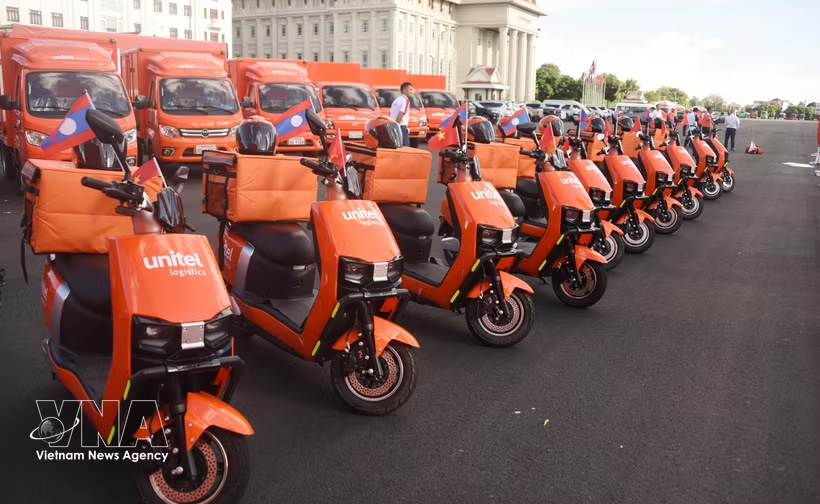
Viettel was among the earliest Vietnamese investors in Laos. Its Unitel telecommunications venture was launched in 2009 and became Laos’ leading mobile network operator in 2021, holding 57% of the market. In October 2025, Viettel expanded into logistics and international transport infrastructure through Unitel Logistics.
Dr. Tran Huu Hiep of FPT University in Can Tho city said the more than 7 billion USD invested by Vietnamese businesses in Laos reflected not only the scale of capital flows but also the special connectivity between the two economies.
He highlighted Laos as a gateway for Vietnamese firms to expand into the Mekong and ASEAN markets, particularly in high-tech agriculture, agro-forestry processing, energy, mining, infrastructure, logistics, telecommunications, trade and services.
Businesses, he suggested, should shift from simply “investing in Laos” to “working together with Laos to create value”, turning the neighbouring country into an important base for Vietnam’s regional expansion./.

VIETNAM CHAMBER OF COMMERCE AND INDUSTRY
Liên Đoàn Thương Mại Và Công Nghiệp Việt Nam