VIETNAM CHAMBER OF COMMERCE AND INDUSTRY
Liên Đoàn Thương Mại Và Công Nghiệp Việt Nam
Wed, Jul 23, 2025, 02:45:00
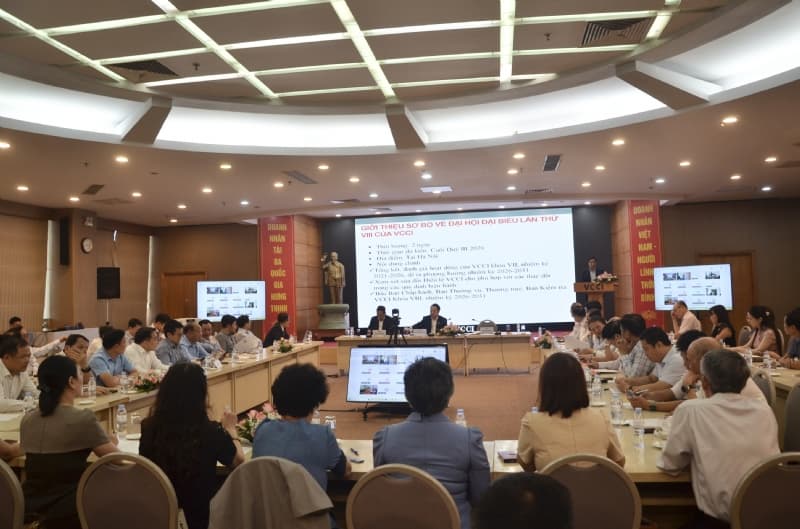
On June 19, 2025 in Ho Chi Minh City, the Vietnam Business Council for Sustainable Development under the Vietnam Chamber of Commerce and Industry (VBCSD-VCCI) in coordination with the Ministry of Agriculture and Environment organized a workshop: "Disseminating regulations on product and packaging recycling responsibility and waste collection and treatment responsibility of manufacturers and importers (EPR) and sharing good practices, discussing with businesses".
Workshop on Draft New Decree on EPR 2025
This is an initiative that VBCSD - VCCI proactively developed and actively coordinated with the Ministry of Agriculture and Environment to implement with the main goal of disseminating and updating regulations on EPR. Creating opportunities for discussion between management agencies and businesses towards effective implementation of EPR in the context of the upcoming new Decree on EPR. At the same time, sharing good practices of typical businesses so that the business community has more information and learns effective recycling models.
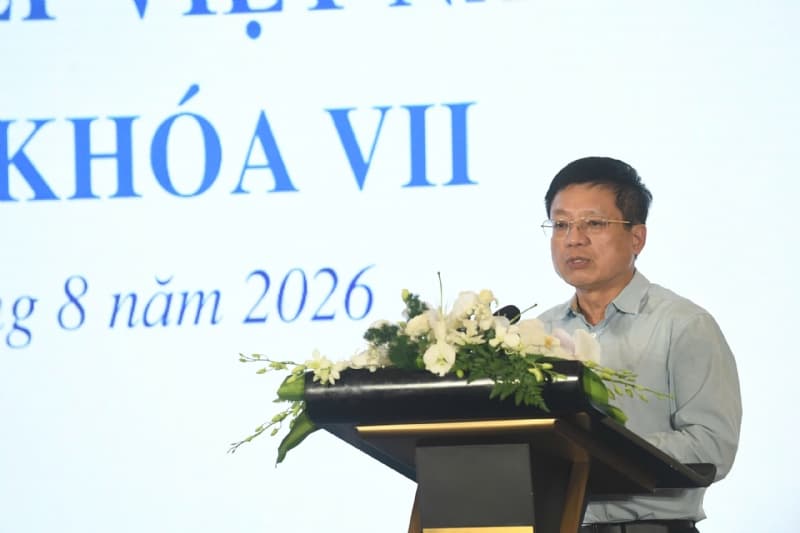
Speaking at the Workshop, Mr. Vo Tan Thanh, Vice Chairman of VCCI said: “As a national organization representing the business community, VCCI, through the core of VBCSD, has continuously promoted EPR in particular and the sustainable development program in businesses in general over the years.”

Mr. Vo Tan Thanh - Vice Chairman of VCCI spoke at the Draft EPR 2025
According to Mr. Thanh, EPR has been effectively implemented in many countries. By 2025, over 60 - 70 countries have applied or are preparing to apply EPR. In the EU, EPR is mandatory for many product groups, with a high recycling rate such as Germany reaching nearly 50% for plastic packaging - double the global average. Korea and Japan are successful examples in Asia, with an effective, transparent recycling system, with synchronous coordination between the state - businesses - people. These figures show that: if properly designed and effectively implemented, EPR not only reduces environmental pressure but also helps businesses save costs, improve competitiveness, and access environmentally demanding consumer markets.
In Vietnam, EPR has been officially introduced into the legal system through the Law on Environmental Protection in 2020 and specified in various Decrees and regulations. However, the actual implementation process still faces many difficulties: The collection and recycling infrastructure is not complete, the official system is weak, and the unofficial system is difficult to manage; High recycling costs, and recycled materials are difficult to consume domestically; Unclear legal guidelines, causing businesses to be confused in choosing the form of implementation; Lack of monitoring mechanisms, limited enforcement and communication capacity. Therefore, it is necessary to prepare to issue a separate Decree on EPR, in order to specify the implementation mechanism, handle current shortcomings, and create a clear and transparent legal corridor for businesses. Therefore, this Workshop is not only a policy dissemination activity, but also an important forum to listen, exchange and reflect on practice, with the desire to build an effective - feasible - EPR mechanism suitable to Vietnam's conditions.

Mr. Nguyen Hung Thinh - Deputy Director of the Department of Environment, Ministry of Agriculture and Environment shared about the content of the Draft EPR 2025
Mr. Nguyen Hung Thinh - Deputy Director of the Department of Environment, Ministry of Agriculture and Environment said: “(EPR) is an important policy tool to promote the responsibility of manufacturers and importers in collecting, recycling, and treating products and packaging after use. Vietnam has approached the EPR policy very early, since 2005 with regulations on collecting and treating discarded products. The Law on Environmental Protection in 2020 is an important turning point with clearer regulations on the responsibility of recycling and treating waste of manufacturers and importers. In recent times, management agencies, especially the Ministry of Agriculture and Environment, have made efforts to build a legal framework, perfect regulations, and put the EPR policy into practice.”
Mr. Thinh also acknowledged and appreciated the proactive cooperation of VCCI-VBCSD to contribute to the effective development of the new Decree on EPR through the organization of the Draft EPR 2025 event and said that there will be more cooperation activities between the Ministry of Agriculture and Environment and VCCI - VBCSD to put the EPR Decree into practice.
Mr. Nguyen Tien Huy - Director of the Office of Enterprises for Sustainable Development of VCCI said: The editorial team for the EPR Decree - will synthesize the comments received at the Workshop to coordinate with the Ministry of Agriculture and Environment to complete the new Draft Decree. At the same time, actively organize more practical activities to communicate, train, improve the capacity to implement EPR, reduce carbon emissions, deploy the circular economic model in the business community, thereby supporting the Vietnamese business community to practice responsible business towards more sustainable and effective development.
According to the provisions of the Law on Environmental Protection 2020, the EPR Policy includes the responsibility for recycling products and packaging (Article 54) and the responsibility for waste treatment (Article 55). Documents detailing the Law on Environmental Protection include Decree No. 08/2022/ND-CP; Decree No. 05/2025/ND-CP; Circular No. 02/2022/TT-BTNTM, Circular No. 07/2025/TT-BTNMT, which clearly stipulate the contents related to the EPR policy, including: subjects, roadmap, forms, and procedures for implementing the responsibility for recycling and waste treatment, and the contents on recycling rates and mandatory recycling specifications, etc.
For the Draft Decree on EPR 2025, it basically absorbs the contents stipulated in Decree No. 08/2022/ND-CP; Decree No. 05/2025/ND-CP combines with the addition and clarification of a number of provisions based on actual implementation; at the same time, it details the content of the mechanism to support recycling and waste treatment from the contributions of manufacturers and importers.