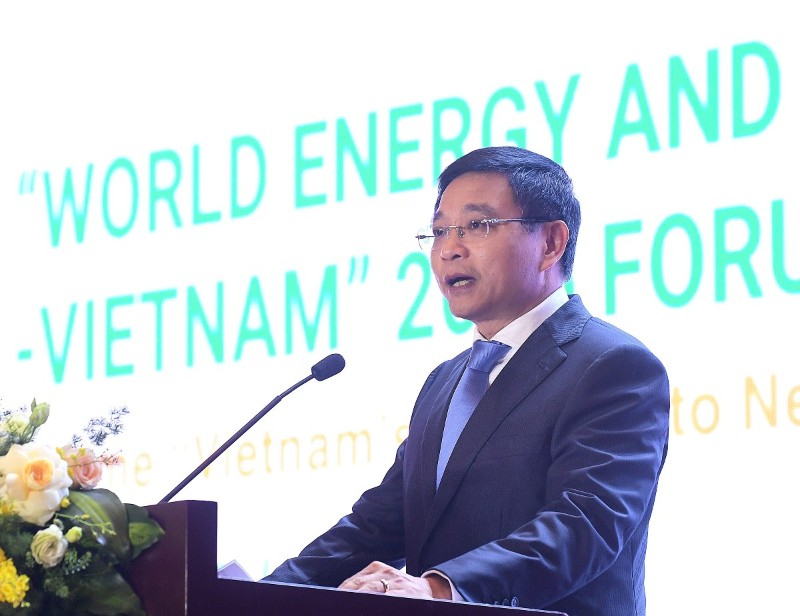
The business community is the pivotal force determining the success or failure of the nation’s sustainable energy transition, stated Deputy Prime Minister Nguyen Van Thang.
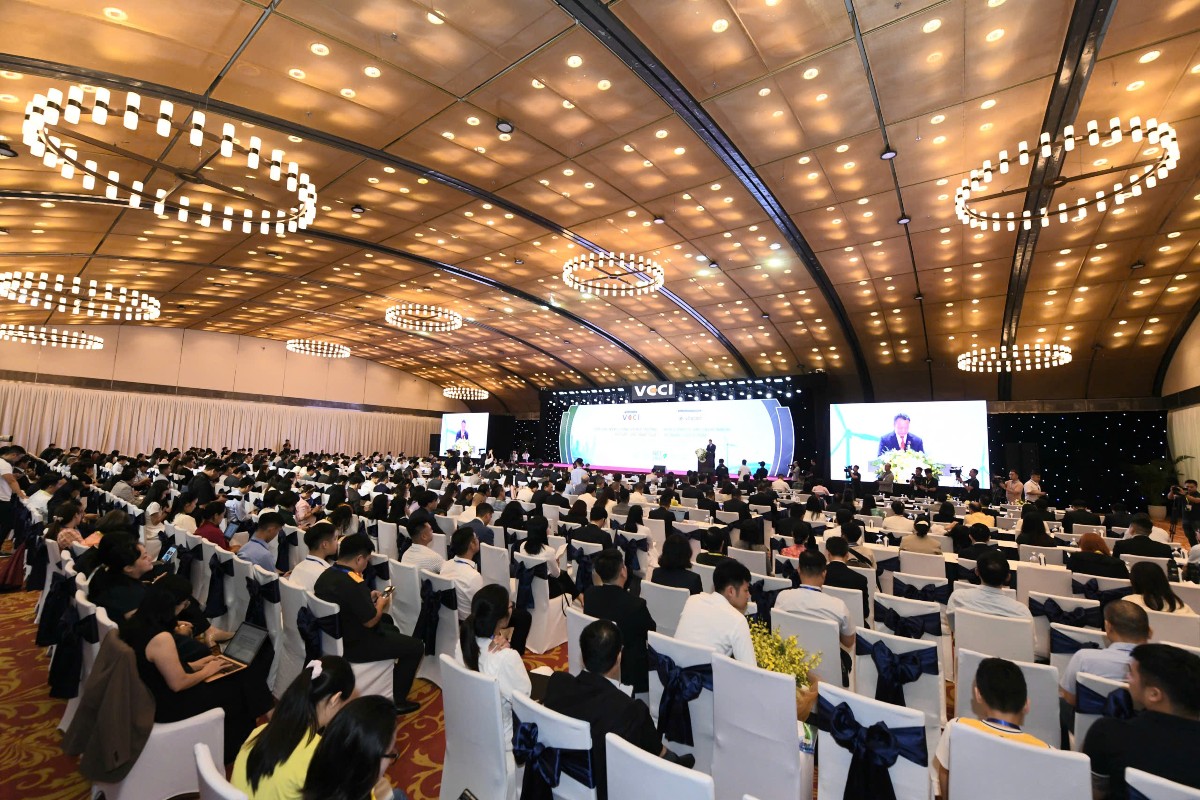
He made these remarks at the "World Energy and Environment Forum - Vietnam 2026," themed "Vietnam's Pathway to Net Zero," held in Hanoi on July 8 by the Vietnam Chamber of Commerce and Industry (VCCI).
Emphasizing that climate change is the greatest global challenge facing humanity, with far-reaching impacts on every aspect of life, Mr. Thang noted that as a highly open economy experiencing rapid growth and high energy demand, Vietnam is among the countries most visibly affected by these shifts.
The Deputy PM reiterated the consistent stance of the Party and State: economic growth must go hand-in-hand with sustainable development, social progress, and equity. He underscored that the government remains resolute in its refusal to trade environmental integrity for economic expansion.
He further noted that emission reduction targets have been institutionalized through key policy frameworks, including Politburo Resolution No. 70-NQ/TW on national energy security through 2030, with a vision to 2045, and National Assembly Resolution No. 253/2025/QH15 regarding national energy development policies for the 2026-2030 period.
Currently, the Government is focused on drafting and finalizing a new Resolution that will continue to place environmental protection, green transition, and energy transition at the core of the nation's development strategy.
Four decisive orientations
To ensure the energy transition becomes the core of the Net Zero roadmap, Deputy PM Thang emphasized four decisive guiding orientations:
First, implementing a phased, effective, and stable energy transition. The Government will focus on perfecting mechanisms, diversifying supply sources, investing in transmission and storage infrastructure, and encouraging private sector participation.
"We will not abruptly eliminate traditional energy sources. Instead, we must use them more efficiently, applying new technologies to strictly control emissions and gradually reducing their share according to a set roadmap," said Mr. Thang.
"The transition process must simultaneously satisfy three requirements: ensuring sufficient energy for growth, reducing emissions as committed, and guaranteeing a just transition for workers, businesses, and localities."
Second, resolutely adhering to the principle of not sacrificing the environment for growth. Greenhouse gas reduction must be harmonized with the innovation of growth models. This includes elevating environmental, social, and governance (ESG) standards for Vietnamese goods within global supply chains.
Third, establishing green finance and the carbon market as core pillars. The Government identifies green finance as a vital driver for mobilizing both international and domestic resources.
Vietnam will continue to refine its legal framework, integrate environmental standards into budget management, develop green capital markets (green bonds, green credit), and apply preferential tax policies for green projects. Simultaneously, the country will finalize the domestic carbon trading platform to create a transparent and effective carbon pricing mechanism.
Fourth, leveraging the pivotal role of the business community and local authorities. Enterprises from all economic sectors are the decisive force behind the success of the Net Zero journey. Localities must take the lead in planning, improving the investment environment, and cutting administrative red tape to create the best possible conditions for green projects.
From commitment to action
With a resolute spirit of "moving from commitment to action," Deputy PM Thang assigned specific tasks to each ministry, agency, and organization.
He emphasized that the business community must view green transformation and ESG governance as both a survival strategy and an opportunity to enhance competitiveness. Businesses are encouraged to review their technologies, conduct emissions inventories, ensure transparency in environmental data, and actively participate in the carbon market.
On the occasion, the Deputy PM called on the International Renewable Energy Agency (IRENA), international environmental and sustainable development organizations, and developed nations to provide more practical support programs to help Vietnam and its businesses achieve emission reduction targets on schedule.
Speaking at the forum, Vice President of VCCI and Chairman of the Vietnam Business Council for Sustainable Development (VBCSD), Mr. Nguyen Quang Vinh, stated that Net Zero is no longer a distant concept but has officially become a new standard of national and corporate competitiveness.
"For Vietnam, realizing Net Zero goals is not just about fulfilling an international commitment; it is an optimal strategic choice to improve the quality of growth, firmly consolidate energy security, and increase the resilience of the entire economy against external shocks," said Mr. Vinh. He also clearly positioned the role of the private sector, declaring that the business community is the vanguard force in transforming sustainable development goals into concrete actions.