VIETNAM CHAMBER OF COMMERCE AND INDUSTRY
Liên Đoàn Thương Mại Và Công Nghiệp Việt Nam
Wed, Oct 11, 2023, 15:51:00
After the sharp slowdown in the first quarter of this year, Vietnam's economic growth has now picked up, with signs of increasing new orders and improving business confidence. However, the outlook for Vietnam’s economic growth in the near term remains fragile as the global economy is forecast to experience only moderate growth.
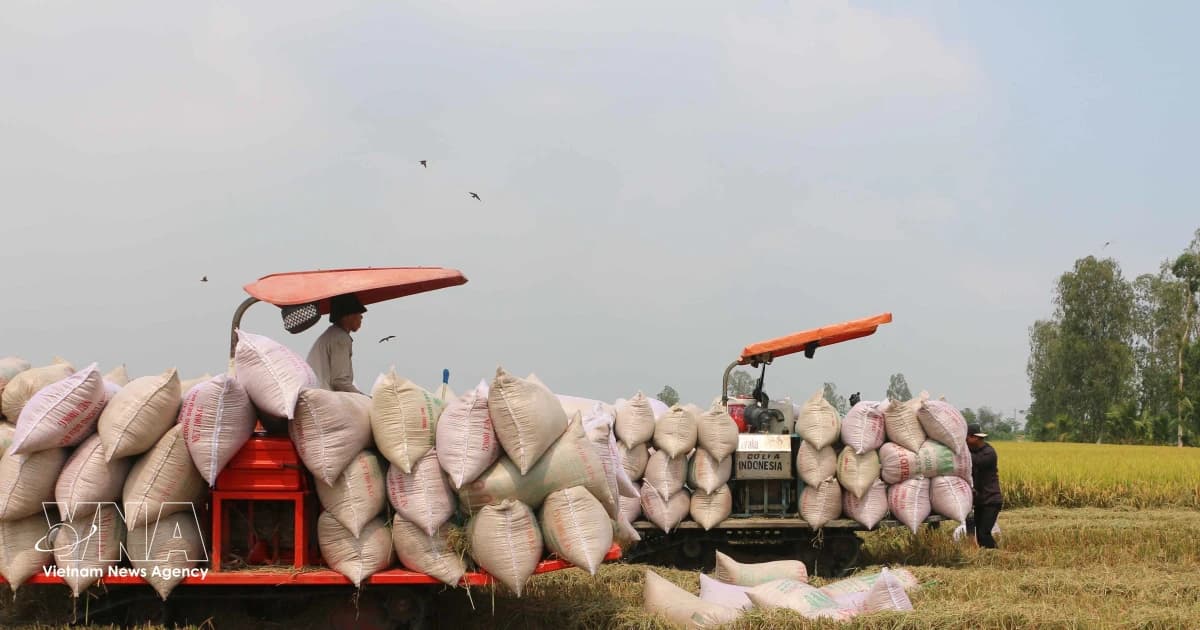
Inflationary pressure remains under control, thanks mainly to adequate domestic food production, temporary cuts of oil-related taxes, and administered prices. Consumer price inflation is expected to increase slightly to 3.3 per cent in 2023 and 3.4 per cent in 2024.
On the external front, the contraction of exports will be offset by import compression and rising income from tourism. Foreign direct investment (FDI) inflows remain strong amidst the reconfiguration of the global supply chain. Trade surpluses and resilient FDI inflows will be the key factors behind the overall balance of payments surplus.
AMRO's lead economist Sumio Ishikawa said, "The elevated headwinds from weakening global demand and the downturn in the local housing market call for the recalibration of the macroeconomic policy mix to support the economy and safeguard financial stability."
Accordingly, the government has implemented several measures to support growth, including the temporary reduction and deferral of land rent and some taxes, a 150 basis point cut to the operating interest rate, and credit support measures. In light of the financial distress in the residential property market, Ishikawa feels an appropriate policy mix should be employed to support growth while maintaining stability.
"With output still below its potential and some available fiscal space, policies should offer targeted support to micro, small, and medium-sized enterprises (MSMEs) and vulnerable households that are adversely affected by the country’s weak economic conditions. Expediting state capital investment would also boost growth," Ishikawa stated.
"Over the medium term, fiscal policy should focus on improving tax administration, broadening the tax base, enhancing spending efficiency, and strengthening social protection."
The accommodative monetary policy has eased the financial burden on vulnerable borrowers, and to some extent, bolstered business and consumer confidence. He argues that the monetary policy stance should be normalised once the economic recovery is on track. Modernising the monetary policy framework, including transitioning to a more market-based stance, would allow monetary policy to support the economy more effectively.
According to the AMRO, concerted efforts should be made to promote green, inclusive, and sustainable growth. Increasing MSMEs' access to financing through the expansion of credit guarantee funds could also be considered. More resources should be directed to increase the availability and quality of education and vocational training. Finally, amidst the intensifying climate risks, more attention should be paid to mitigation and adaptation.