VIETNAM CHAMBER OF COMMERCE AND INDUSTRY
Liên Đoàn Thương Mại Và Công Nghiệp Việt Nam
Sat, May 13, 2023, 11:31:00
Difficulties in raising capital
Vietnam would need investment of up to VND270 trillion (US$11.51 billion) to expand its national fuel storage system by 2030, according to a draft plan prepared by the Ministry of Industry and Trade (MoIT).
 |
|
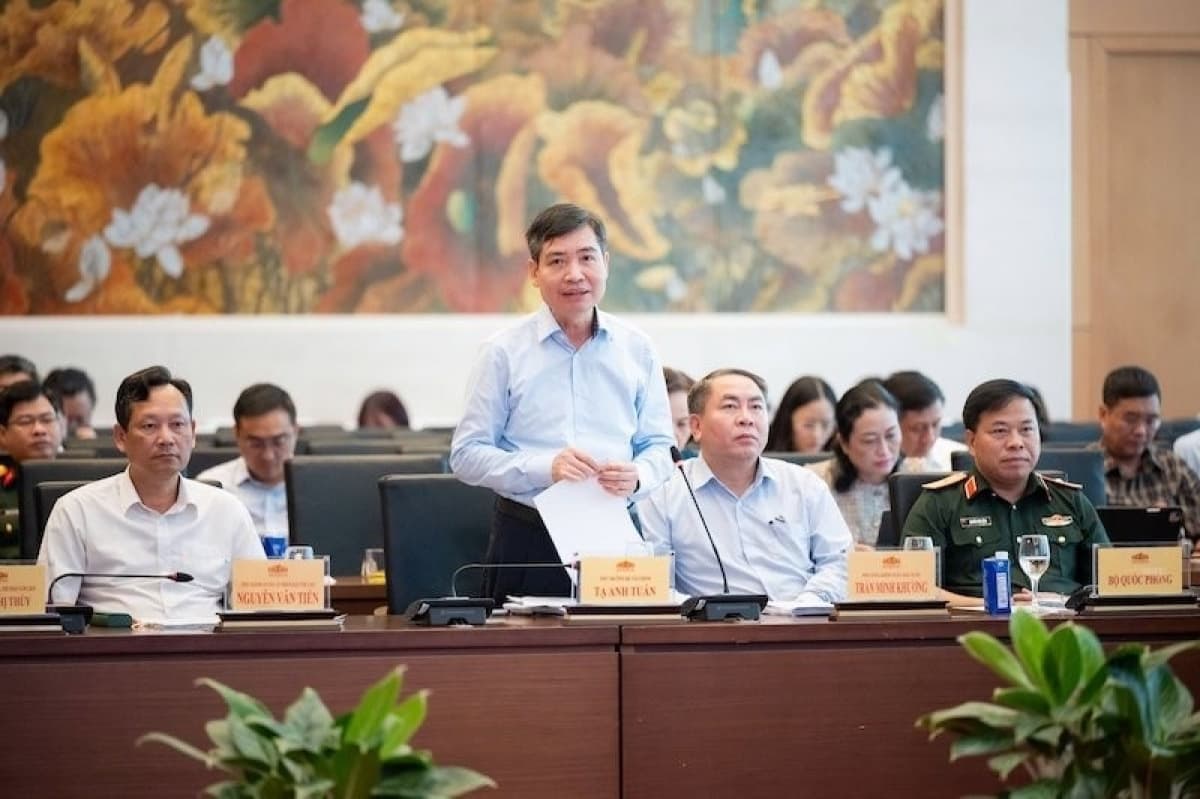
Economists and policymakers at a conference encouraging private sector investment in fuel infrastructure |
Speaking at a recent conference encouraging private sector investment in fuel infrastructure, Nguyen Manh Hung, standing member the National Assembly's Economic Committee, said Vietnam plans to increase its national petroleum products’ reserve from one week to 15 days by 2025 and 30 days by 2030.
Hoang Thi Thu Ha, Deputy Director of the Department of Credit for Economic Sectors at the State Bank of Vietnam (SBV) said that under the draft master plan, investment in the reserve fuel storage system would be mobilized from the state budget, private enterprises, banks and other capital sources. “The SBV has issued a full legal framework for credit institutions to consider and decide to provide loans based on the feasibility of projects,” Ha said.
Nguyen Hoang Giang, Deputy Head of the Financial Planning Department under the MoIT, noted that being a strategic commodity, fuel plays a crucial role in almost all economic sectors and sufficient investment in reserves could ensure supply during emergencies.
 |
|
Fuel tanks at Nha Be Petroleum Depot |
In the national fuel reserve infrastructure plan submitted by the MoIT for appraisal, six groups of solutions have been proposed to attract investment, including the use of the state budget to invest in the reserve, promoting foreign investment and resources from other economic sectors. In particular, those enterprises that are already involved in this area are urged to restructure and diversify their business models to continue their investments.
Investment sources
Nguyen Hoang Giang said the Prime Minister had assigned the MoIT to implement the fuel reserves planning. Accordingly, the ministry has coordinated with 63 provinces and cities, and consulted the Fatherland Front and socio-political organizations on regulations.
Data from the MoIT’s state management report shows that Vietnam’s national petroleum reserves are still low compared to many countries worldwide. On average over the past five years, Vietnam’s reserves were only 370,000 cu.m per year, equivalent to nine days of net imports and 6.5 days of consumption.
Currently, Vietnam has oil reserves of about 4.4 billion barrels, and a production output of about 340,000 barrels per day, according to PetroVietnam data.
According to the MoIT, the draft planning for the 2021-2030 period includes efforts to mobilize capital from the private sector to both meet the reserve requirements for consumption and for national reserve targets, and gradually realize Politburo Resolution 55-NQ/TW on ensuring strategic petroleum reserves equal to at least 90 days of net oil import.
Reflecting the difficulty of raising funding for fuel reserves, Nguyen Duc Hanh, Chair of Son Hai Petroleum Corp., said his company has been unable to obtain a bank loan of VND500 billion for a fuel reserve of 35,000-40,000 cu.m worth.