VIETNAM CHAMBER OF COMMERCE AND INDUSTRY
Liên Đoàn Thương Mại Và Công Nghiệp Việt Nam
Thu, Mar 19, 2026, 16:24:00

During a meeting with Japanese Ambassador to Vietnam Ito Naoki, he proposed Japan create favorable conditions for Vietnam to access, through appropriate mechanisms, oil from the 80 million barrels that the Japanese government is considering releasing from its reserves.
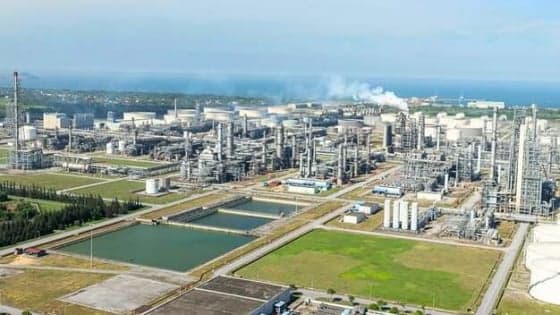
The cabinet leader added that he had sent a letter to his Japanese counterpart, Sanae Takaichi, urging Japan to consider suitable support measures. These could include direct support by supplying a certain amount of crude oil from Japan’s reserves to Vietnam, or indirect support by allowing the Nghi Son Refinery and Petrochemical Complex - a joint project between Vietnam and Japan in the central province of Thanh Hoa - to diversify its crude oil input sources from other partners.
Chinh also proposed that the Japanese government share and facilitate Vietnam’s purchase of aviation fuel from Japan’s reserves.
On this occasion, PM Chinh also asked Ambassador Ito Naoki to advocate for the financial restructuring and input supply adjustments of the Nghi Son complex.
Regarding cooperation in the Block B-O Mon gas-to-power project chain in southern Vietnam, the government leader said he appreciates Japan’s cooperation in the Block B gas project and the O Mon III Thermal Power Plant project.
He asked the ambassador to work with Japanese enterprises to accelerate the progress of the O Mon II project to ensure it is ready to receive gas from Block B once exploitation begins as committed.
On March 11, the International Energy Agency (IEA) announced that its 32 member countries would release 400 million barrels of oil, the largest in the agency’s five-decade history, to respond to supply disruptions from the Middle East after Iran blocked the Strait of Hormuz. Prime Minister Sanae Takaichi stated that Japan would begin releasing oil from its strategic reserves starting this week.
In response, Ambassador Ito Naoki said Japan is actively discussing with Vietnamese authorities on bilateral cooperation, including sharing and cooperation in the energy sector.
The diplomat affirmed that he would report to the Japanese government and relevant agencies on Prime Minister Chinh’s proposals regarding support for Vietnam’s energy security. He added that Japan has decided to release its oil reserves and called on G7 countries to do the same to increase fuel supply to the market.
Agreeing with Prime Minister Chinh’s proposals on diversifying crude oil inputs, restructuring the Nghi Son complex, promoting the Block B-O Mon gas project chain, and supporting aviation fuel, Ambassador Ito Naoki noted that Japan is actively reviewing financial arrangements and addressing obstacles for its LNG thermal power projects in Vietnam under the Asia Zero Emissions Community (AZEC) initiative, thereby helping the Southeast Asian nation ensure energy security.
Vietnam actively diversifies crude oil import sources
Since the outbreak of the Middle East conflict following the coordinated attacks by the U.S. and Israel on Iran on February 28, crude oil supply from the region has been disrupted as Tehran blocked the Strait of Hormuz, through which about 20% of the world’s crude oil passes daily, much of it bound for Asia.
Amid disruptions in oil and gas supply and rising domestic fuel prices, the Vietnamese government has intensified “energy diplomacy” efforts to diversify crude oil and gas supplies from other regions.
On Monday, PM Chinh held a phone call with Angolan President João Manuel Gonçalves Lourenço, urging Angola to provide additional support in supplying crude oil and natural gas to Vietnam.

Both sides agreed to coordinate efforts to accelerate the implementation of the MoU on oil and gas cooperation between Petrovietnam Exploration Production Corporation (PVEP) and Angola’s oil and gas exploration and production company Sonangol E&P, as well as the oil and gas activities of Vietnams’ Xuan Thien Group.
The Angolan President agreed to promote energy cooperation between the two countries as proposed by PM Chinh.
Earlier, on March 9, the Vietnamese cabinet leader held phone talks with leaders of the United Arab Emirates (UAE), Kuwait, and Qatar. The UAE stated that it would provide maximum support for Vietnam’s short- and long-term energy needs. Kuwait agreed to consider continuing crude oil supplies to Vietnam, while Qatar affirmed its readiness to cooperate closely in contributing to energy stability in Vietnam.
On March 13, during a meeting with Thai Ambassador to Vietnam Urawadee Sriphiromaya, the Prime Minister proposed that Thailand consider facilitating stable fuel supplies for civil aviation activities in Vietnam, contributing to socio-economic stability and development, as well as cooperation in trade and tourism.
In response, the Thai Ambassador emphasized that although Thailand is also facing challenges in ensuring sufficient domestic energy supply, it will continue contributing to joint efforts, especially within ASEAN, to ensure regional energy stability.