VIETNAM CHAMBER OF COMMERCE AND INDUSTRY
Liên Đoàn Thương Mại Và Công Nghiệp Việt Nam
Sat, Dec 06, 2025, 14:44:00

According to John Campbell, director of industrial services at Savills Vietnam, the country’s industrial foundation, as it moves into 2026, is strengthening significantly.
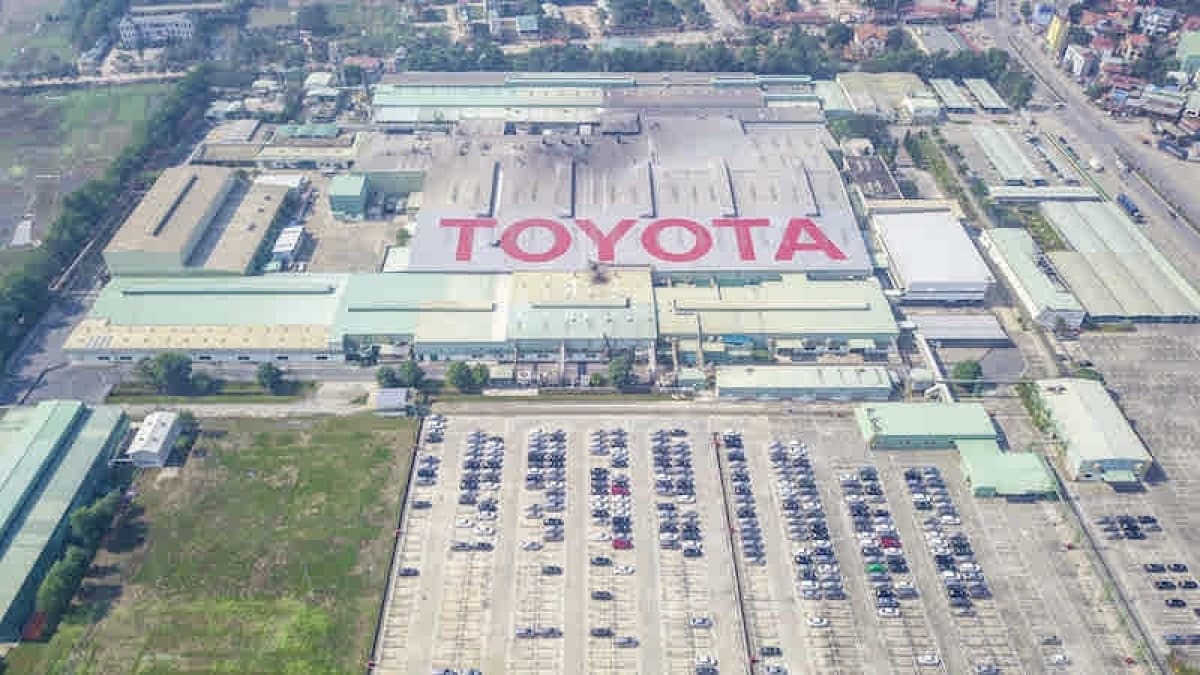
In the first nine months of 2025, FDI disbursements reached $18.8 billion, an increase of 8.5% year-on-year. The manufacturing and processing sector, individually, was responsible for 60% of newly registered capital, reflecting a shift toward higher-value industries such as electronics, technology equipment, and semiconductors.
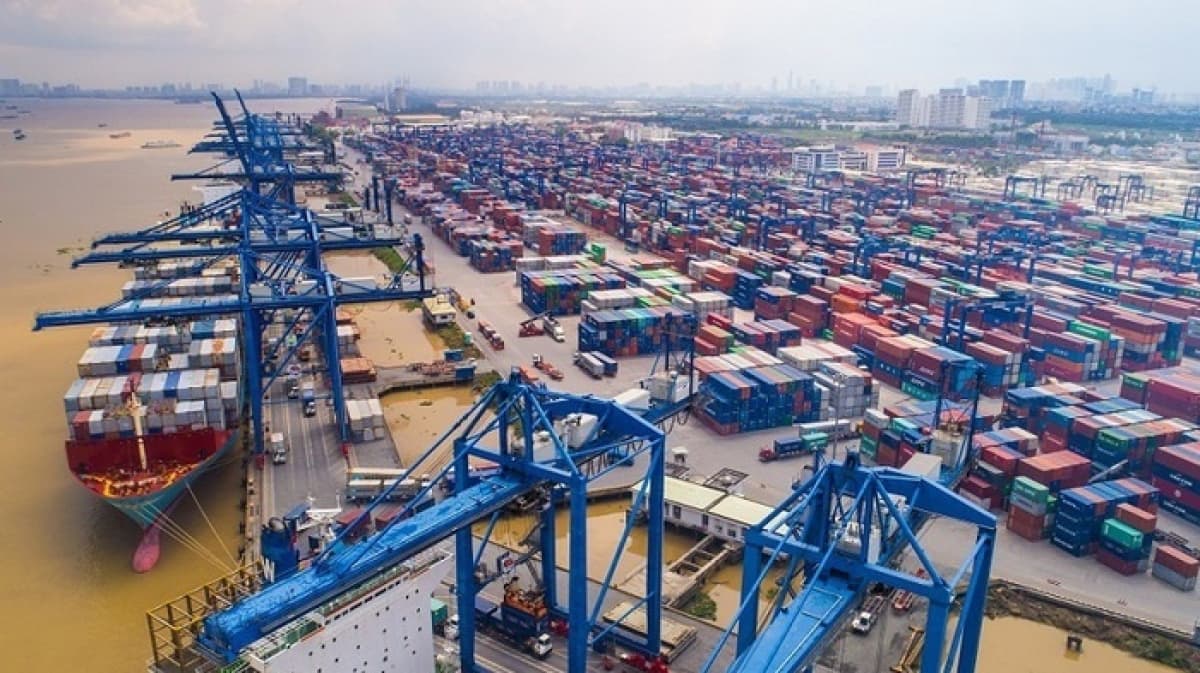
This trend is a key factor maintaining Vietnam’s appeal amid ongoing global volatility. During the same period, there was $6.6 billion in public investment disbursed, supporting numerous transport, logistics, and port projects, critical components that reduce logistics costs and enhance the competitiveness of manufacturing enterprises.
Vietnam's industrial transition
According to Campbell, foreign capital is not the sole driver of the new growth phase. Domestic capital is also returning in a more selective manner, supported by positive signals from credit, corporate bonds, and clearer regulatory frameworks. The emergence of joint ventures between local developers and foreign investors will increase the supply of high-quality industrial real estate in strategic locations.
Infrastructure continues to be a differentiating factor. The expansion of the Cai Mep-Thi Vai port cluster, along with interregional road networks, shortens transportation times and enables industries with high logistics requirements to operate more efficiently.
Campbell observes that Vietnam is witnessing a shift in certain strategic sectors, including advanced electronics manufacturing, industrial equipment, and data centres, moving toward larger-scale operations.
At the same time, “green” requirements are becoming mandatory standards. Eco-industrial parks such as Prodezi Eco-IP and Phu My 3 have demonstrated cost efficiency, operational effectiveness, and emission reductions. As environmental standards, permitting requirements, and international investors’ ESG expectations rise, sustainability is no longer just a formality, but a critical factor to attract and retain tenants in this new cycle.
Campbell predicts that 2026 will be a pivotal year for Vietnam’s industrial market, as production prospects improve, the investment environment stabilizes, and connectivity, from ports and energy to digital infrastructure, is strengthened.
This transition shifts growth from being cost-driven to being based on system capacity, where infrastructure, energy, and operational data work together to support industries with higher standards.
He emphasizes, “Vietnam is entering 2026 with the strongest industrial momentum we’ve seen. With high-value FDI, accelerated infrastructure connectivity, and digital platforms, the market is moving from a growth phase into a larger-scale, higher-standard operational phase.”