VIETNAM CHAMBER OF COMMERCE AND INDUSTRY
Liên Đoàn Thương Mại Và Công Nghiệp Việt Nam
Mon, Aug 18, 2025, 08:13:00
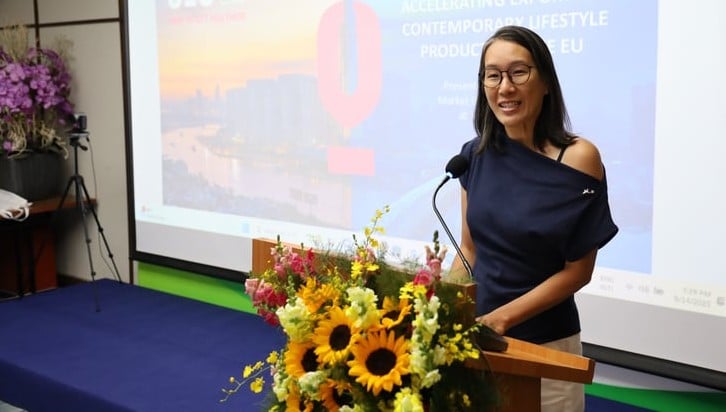
Speaking at the “Accelerating exports of contemporary lifestyle products to Europe” workshop in Ho Chi Minh City on Thursday, Tra noted that the demand for eco-friendly products made from materials such as rattan and bamboo is surging in both the EU and U.S. markets.
She added that about 50% of handicraft businesses now sell online, boosting exports through platforms like Amazon and Alibaba. E-commerce sales in the sector grew 18% in 2024. Trade agreements, meanwhile, are helping reduce tariffs, making it easier for products to reach overseas buyers.
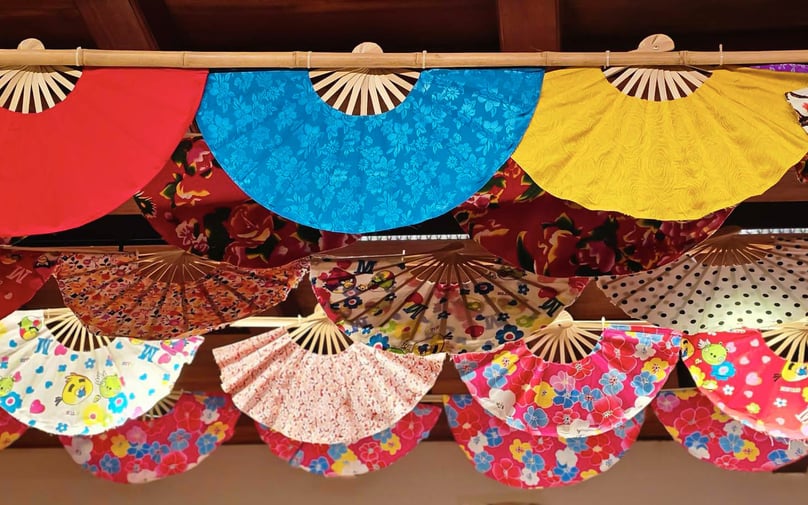
Vietnam’s handicraft industry employs around 3 million workers across 5,400 craft villages. While the green consumption trend offers a strong competitive edge - particularly for bamboo and rattan products - the sector still faces stiff competition from China and India, as well as regulatory challenges such as the EU’s REACH and EUDR anti-deforestation rules.
“Vietnamese businesses need to learn how to build brands and blend contemporary design with cultural heritage, as seen with Italy’s Alessi and Denmark’s Royal Copenhagen, while ensuring sustainable sourcing. Domestically, brands like Hanoia and Kilomet109 are already excelling in cultural identity. Brand building and compliance with international standards are critical for cultural exports,” said Tra Le.
Tran Thi Thuy Tien, CEO of Ecoworld Silk, said her company currently exports silk to Japan and Dubai and is now targeting France, Italy, and Singapore. But each market has strict requirements: Japan demands silk threads between 1.5 and 3.0 denier, clean production, and SA8000 certification; Dubai requires vegan, Halal, and OEKO-TEX compliance.
“Europe is a ‘new game’ for Vietnamese silk, driven by the green trend, and few local companies are pioneering it,” Tien said.
According to workshop data, Vietnam and France upgraded their relationship to a comprehensive strategic partnership in October 2024 - making France the first EU nation to hold the highest-level diplomatic ties with Vietnam.
Bilateral trade reached $5.42 billion in 2024, up 12.9% year-over-year, while French investment in Vietnam totaled nearly $4 billion across 700 projects. The EU is now Vietnam’s second-largest export market after the U.S., with strong potential for growth in furniture, handicrafts, and fashion under EVFTA.
Statista forecasts the EU furniture market will reach $239.07 billion in 2025, growing 2.33% annually, with living room furniture accounting for $62.43 billion. Vietnamese handicrafts are exported to 163 countries, capturing nearly 10% of global demand. From 2015 to 2019, the sector’s turnover grew an average of 9.5% per year, hitting $2.23 billion in 2019, with a goal of $4 billion by 2025.
In Q1/2025 alone, wood and wood product exports hit $3.93 billion, up 11.6% year-on-year. Still, the sector faces headwinds from tariff disputes, high shipping costs, and EU sustainability rules.
To stay competitive, industry experts recommend that Vietnamese exporters secure FSC, BSCI, ISO 14001, and material circulation certifications; use recycled or certified plantation wood; adopt clean production technology; and focus on creative designs tailored for small living spaces to align with global consumption trends.