VIETNAM CHAMBER OF COMMERCE AND INDUSTRY
Liên Đoàn Thương Mại Và Công Nghiệp Việt Nam
Thu, Jul 16, 2026, 09:24:00

After more than 40 years involved in policymaking, economist Dr. Nguyen Duc Kien, former head of the Prime Minister’s Economic Advisory Group, believed that the press plays a particularly important role in the success or failure of public policy. His view reflected the growing importance of the press in socio-economic life, especially as the need to connect policy with real-world conditions became increasingly urgent.
Bridging policy and business
Digital transformation, international integration, and the changing demands of the economy have made the relationship among the press, businesses, and policymakers increasingly close.
Dr. Tran Van, President of the Institute for Digital Economy Development Strategy (IDS) and former Vice Chairman of the National Assembly’s Finance and Budget Committee, said that the press, the business community, and policymakers maintain a close relationship and work together to develop policies and laws that meet the country’s development needs. According to him, the press is a trusted and reliable source of official information that consistently provides useful guidance and practical value for businesses, bringing Party directives and government laws and policies to enterprises across the country.
This role is particularly important because the business community continually requires accurate information to guide production, investment, and development activities. Through the official press system, new mechanisms and policies are communicated quickly, enabling businesses to stay up to date with legal regulations, identify opportunities, and proactively adapt to changes in the business environment.
Beyond its role in providing information, the press also serves as a channel that reflects the realities of business operations. Difficulties and obstacles encountered during policy implementation, shortcomings in the investment and business environment, and recommendations from enterprises are often conveyed to government agencies through articles, forums, discussions, and policy review activities.
As demands for institutional improvement continue to grow, the press’s role in social oversight and policy review has become increasingly evident. Many observers believe that the press is emerging as a form of “soft policy review” with significant influence, helping identify bottlenecks in the investment and business environment while creating positive momentum for policy revision and improvement.
Truong Anh Tu, Chairman of TAT Law Firm, said that in an investment and business environment where legal barriers and administrative procedures still pose challenges, the press plays an important role in identifying issues and encouraging institutional improvement. Many long-standing shortcomings have only been resolved following investigative and analytical reporting that accurately reflects the nature of the problems involved.
Many experts believe that policymakers should be more open to engaging with the press, viewing it as a useful channel for receiving feedback from businesses during the legislative process while also serving as a bridge for communicating new regulations to the business community quickly and comprehensively. When the flow of information among businesses, the press, and regulatory agencies remain smooth and effective, policy quality is better able to align with practical requirements.
Spreading values, building trust, and advancing sustainable development
In addition to contributing to policy improvement, the press also plays an important role in building market confidence and promoting the positive values of the business community.
Many businesses have directly experienced the benefits of working alongside the press. Than Duc Viet, General Director of Garment 10 Corporation, said that the press helps businesses access information about markets, partners, and the business environment while promoting products, operating models, and development strategies to customers and partners. The information documented and reported by the press also encourages innovation and helps spread positive values throughout the business community.
In the tourism sector, Pham Tien Dung, Vice President of the UNESCO Hanoi Travel Club and CEO of GoldenTour Travel, said that the press is not only a communications channel that helps businesses understand market trends and promote products but also contributes to communicating industry policies, development directions, promotional programs, and green, sustainable tourism models. The support of the press gives businesses greater confidence in implementing development plans and projects. In addition to its communications role, the press also performs a social review function, helping businesses promptly identify limitations and shortcomings in order to improve service quality. Particularly during periods when the tourism industry faced disruption or crisis, objective and accurate information from the press helped reinforce traveler confidence and supported business recovery efforts.
Beyond supporting market development, the press also contributes to creating a transparent and healthy business environment. Through investigative reporting and coverage of counterfeit goods, imitation products, trade fraud, and unfair competition, the press helps protect consumer interests while creating favorable conditions for legitimate businesses to grow. Advocacy for green consumption, the circular economy, corporate social responsibility, and effective business models has also helped shape new development standards within the business community.
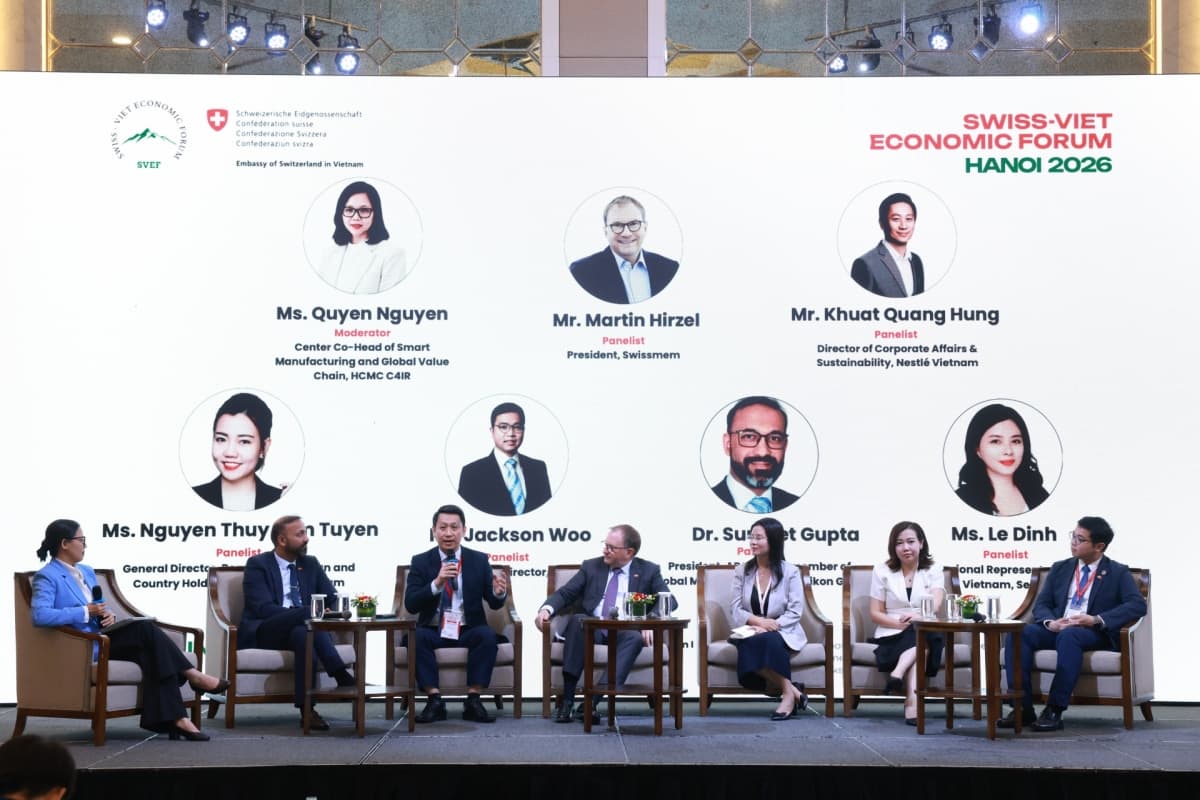
For companies pursuing sustainable development strategies, the press is also an effective channel for promoting green initiatives and value-chain partnership models. Khuat Quang Hung, Deputy General Director in charge of Corporate Affairs at Nestlé Vietnam, said that as green consumption and sustainable development attract growing attention, the press has helped bring corporate messages, programs, and initiatives closer to the public and business partners. Through in-depth articles, feature reports, and multi-platform communications activities, efforts related to environmentally friendly production, the circular economy, and sustainable product development have been widely communicated, helping raise public awareness of sustainable development.
According to Hung, the press also plays an important role in promoting successful cooperation models between businesses and communities. Success stories from the NESCAFÉ Plan Program and partnership models with farmers have been widely covered by the media, creating motivation for more individuals and organizations to participate in the green transition and pursue sustainable development.
As Vietnam continues to improve its institutions and advance private-sector development, the press serves not only as an information channel but also as a trusted partner of the business community. Through its role in connecting stakeholders, providing policy review, and promoting positive values, the press helps build a transparent business environment while creating momentum for growth and sustainable development.
 |
Reciprocal Partnership Built on Trust
Nguyen Van Quang, CEO of Viet Orient Hospitality Co., Ltd
In the modern economy, the relationship between media and businesses has become increasingly reciprocal. First, the media serves as a channel for communication and brand promotion, helping businesses share their image, messages, products, and cultural values with the public, partners, and investors. Beyond simple promotion, the media also helps position businesses in the market through how it tells their development stories, directly influencing brand credibility and appeal.
From the other side, businesses provide the media with dynamic, real-world economic data, ranging from production and business activities to changes in management practices, services, and consumer behavior. This gives the media a basis for presenting an objective picture of the market while fulfilling its role in social oversight, identifying operational shortcomings, monitoring risk management, and contributing to timely adjustments. In addition, the media serves as an important bridge connecting businesses with government agencies and consumers, helping convey recommendations, feedback, and concerns while contributing to a more transparent business environment.
In the lodging and resort industry, this relationship is particularly clear. This is a sector where value comes not only from physical facilities but also depends heavily on customer experience. An article covering service upgrades, standardized operating procedures, or improvements in service quality at a resort can help enhance the image of an entire destination, creating positive spillover effects for nearby properties. Conversely, reports of inconsistent service quality or experiences that fall short of expectations can quickly affect market confidence, prompting businesses across the area to adjust and raise their operating standards. As a result, the media in this sector does more than report on individual businesses. It also helps shape the overall standards of a region's tourism and hospitality ecosystem.
At a deeper level, this relationship can only be sustainable when it is built on transparency, mutual respect, and professional cooperation. Businesses need to proactively provide accurate and consistent information, particularly during sensitive periods, while the media must maintain its independence, objectivity, and constructive approach. When both sides fulfill their roles effectively, the media becomes more than a communication channel and contributes to raising market standards, while businesses become more than subjects of reporting and instead become part of the process of building public trust.
 |
Media as a Market Connector
Do Thanh Nam, CEO of Naracuqua JSC
In the agribusiness sector, the relationship between the media and businesses is, in practice, part of the market value chain. Agriculture is highly influenced by seasonal factors, weather conditions, and fluctuations in global supply and demand. As a result, information is not only a matter of staying up to date but also an important factor in forecasting trends and adjusting operations. In many cases, media signals regarding consumer demand, price movements, or changes in international trade policies provide the basis for businesses to proactively adjust their purchasing, processing, and export plans.
In this context, the media does more than report developments. It also plays a role in market warning systems and information guidance. Analysis of consumer trends in major export markets such as the United States, the European Union, and Japan, along with updates on new trade barriers such as food safety standards, traceability requirements, residue controls, and sustainability expectations, all have direct practical value for businesses. When such information is delivered promptly and with depth, businesses gain additional time to prepare, adapt, and reduce risks in their export activities.
The media also serves as an important market connector. Through specialized media channels, economic forums, and analytical reporting series, the media can help businesses reach buyers and international partners, expand their networks, and gradually enter new markets. Many opportunities for cooperation, trade, and supply chain connections have emerged because information about a business was presented at the right time, in the right context, and to the right audience.
From the other side, businesses serve as an important source of practical data that enables the media to present a more complete picture of the agricultural sector. Information related to raw material regions, processing capacity, traceability capabilities, and participation in global supply chains provides a basis for accurately assessing the position of Vietnamese agricultural products in international markets. At the same time, the operational realities of businesses help make media analysis more insightful, less subjective, and more closely aligned with actual production and business conditions.
As a result, in the agricultural export sector, the media does more than accompany businesses as a source of information. It also plays an important role in shaping market perceptions, supporting commercial connections, and expanding partner networks, helping businesses become more proactive in responding to market trends and increasingly strict trade barriers in major markets.