VIETNAM CHAMBER OF COMMERCE AND INDUSTRY
Liên Đoàn Thương Mại Và Công Nghiệp Việt Nam
Tue, Apr 09, 2024, 09:20:00
Limited internal strength
Currently, the Vietnamese industrial sector is experiencing quantitative growth, not focusing on quality. The industrialization process is progressing slowly. The processing and manufacturing industries’ contribution to Vietnam’s gross domestic product (GDP) as well as to the global processing and manufacturing industries remains limited, even compared to other ASEAN countries.
From the viewpoint of some experts, the Vietnamese industrial sector has experienced robust development with the highest growth rates in recent years. However, the effectiveness of production, measured in terms of added and export value, remains modest.
 |
| Regional technical support centers for industrial development will be established - photo: Xuan Quang |
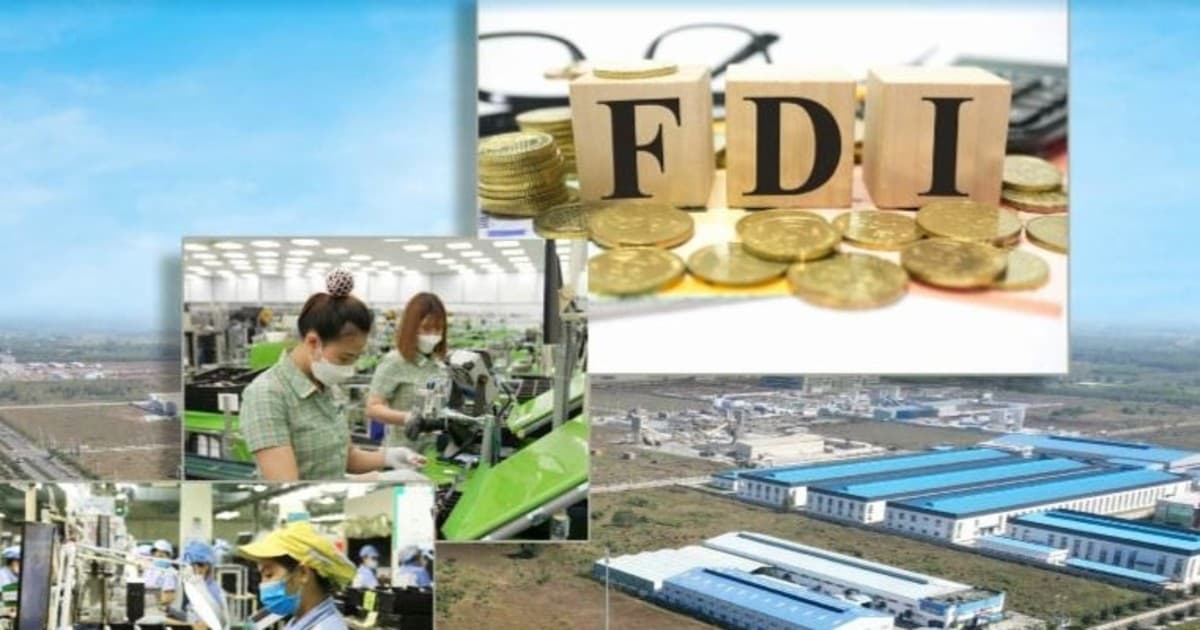
According to the MoIT’s Industry Agency, due to the low self-reliance capacity of the industrial sector, Vietnam depends heavily on imported raw materials for major industries. Sectors such as textiles and garments, leather and footwear, and electronics import over 90 percent of their input materials and depend heavily on certain markets such as China and the Republic of Korea. These industries primarily serve as processing centers for export within the global value chain, with very low profit margins (5-10 percent), relying on enterprises with foreign direct investment (FDI).
The MoIT considers this as a significant challenge for Vietnam because in the long term, FDI enterprises can move to other countries with more favorable conditions for production and access to export markets. For example, the Vietnamese automotive industry is currently involved only in the low-value segments of the industry’s value chain, relying heavily on production outsourcing from global automotive corporations and lacking mastery of core technologies. Domestic automobile production and assembly have not yet met the criteria of a truly developed automobile industry, and a large-scale network of material suppliers and component manufacturers has not been established.
Moreover, major Vietnamese products, including those of the processing and manufacturing industries, mineral processing and metallurgy, and support industries, are facing fierce competition and challenges related to trade disputes and origin fraud. Although domestic enterprises have achieved significant export growth, the majority of Vietnam’s export value still comes from FDI enterprises.
Enhancing added value
According to the Industry Agency, industrial development support centers will be established in localities to help industrial enterprises enhance their management capabilities, production technologies and added value. Additionally, the MoIT is expediting the establishment of the Northern Industrial Development Support Center and the Southern Technical Support Center for Industrial Development. These centers will provide technical assistance for industrial enterprises to promote innovation, especially small- and medium-sized enterprises.
These two centers are consolidating their organizational structures and have engaged in activities to support industrial enterprises in various localities nationwide. These activities include connecting businesses in sectors, such as automobile, electronics, mechanical engineering, textiles and garments, leather and footwear; providing support for training on production and business management systems; enhancing the capacity to meet international standards, such as IATF 16949, and CE/UL. The two centers are cooperating with multinational corporations in Vietnam, such as Toyota, Mitsubishi, and Canon, to seek suitable suppliers to participate in the value chains of these corporations.
Industrial enterprises will be provided with consultancy and support to enhance their technical capabilities and improve human resources, business management, as well as to master and innovate production machinery and technologies. These support services, together with state management, are expected to assist businesses throughout their operational process, from startup to actual production. They aim to expand market access and exploitation opportunities and address difficulties and obstacles faced by industrial enterprises in a timely manner.