VIETNAM CHAMBER OF COMMERCE AND INDUSTRY
Liên Đoàn Thương Mại Và Công Nghiệp Việt Nam
Wed, Sep 11, 2024, 07:32:00
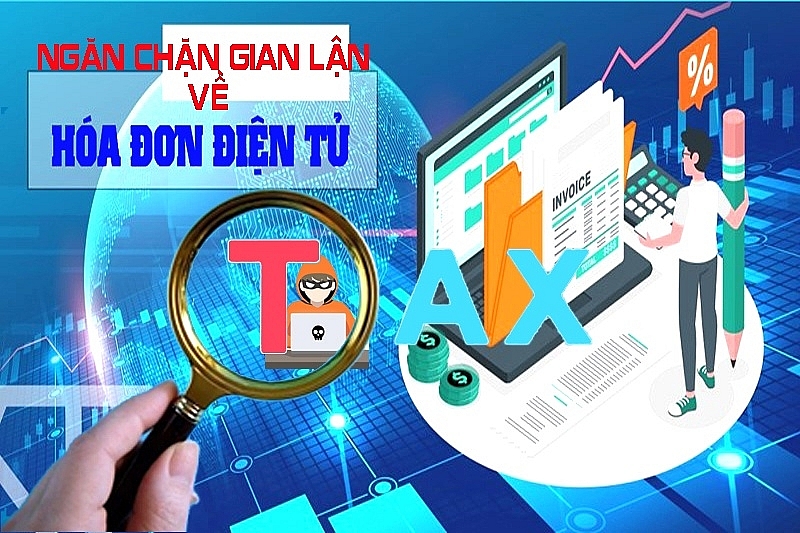 Many cases of invoice trading have been cracked down and have been promptly reported by the press.
According to the Ministry of Finance, current laws are moving towards equality and respect for the legitimate business rights of all individuals and organizations. The Law on Tax Administration stipulates that taxpayers directly declare, pay and are responsible under the law, and enterprises have the right to issue invoices for use in production and business activities.
However, a number of taxpayers have taken advantage of the ease of business establishment procedures to establish enterprises not for production and business but for selling fake invoices for illegal profits.
Some enterprises have low awareness of law compliance and have participated in the illegal trade and use of invoices to declare input VAT deductions, undervalue VAT payable to the State budget, and increased amount of refunded VAT; used invoices to legalize floating goods, legalize smuggled goods, falsely declare rising costs, reducing costs leading to a reduction in taxable income and corporate income tax payable to the State budget.
Since applying electronic invoices according to Decree No. 123/2020/ND-CP, tax authorities have stored data on purchased and sold electronic invoices along with other information of taxpayers to build tools, software applications to support classification, identification of taxpayers with tax and invoice risks, promptly issue warnings to have appropriate tax management measures.
Given close and regular coordination between tax authorities and other agencies, many cases of invoice trading have been cracked down and promptly reported by the press.
Thereby, helping all individuals, organizations and businesses identify illegal acts of buying, selling and using invoices and sanctions for each act so that taxpayers know and avoid participating in invoice transactions; publicizing personal information and businesses that buy and sell invoices to set an example and contribute to warning those who have been intending to violate the law on invoices.
The General Department of Taxation has issued a document directing local tax authorities nationwide to conduct close and timely review and supervision of businesses with signs of risks of illegal buying and selling and using invoices through many channels.
Specifically, such as: collecting data information about organizations, individuals and businesses under their management; collecting information on about taxpayers from other agencies; reporting suspicious transaction information from banking supervision agencies; and gathering information from other state management agencies (Government Inspectorate, State Audit, etc.); denunciations; media.
Through these information channels, the Ttax authority organizes the identification and listing of enterprises with signs of risks in issuing and using illegal invoices; grasps the behavior and methods of these subjects according to the instructions issued by the General Department of Taxation; close supervises taxpayers with high risks of invoices.
In addition, the General Department of Taxation also requires units of the tax authority to verify the operating status of taxpayers under their direct management.
The tax authority promptly and fully updates information about enterprises not operating at the registered address to publicly announce information about enterprises that have issued invoices but abandoned their business addresses or temporarily suspended business operations on the tax industry's website and mass media to prevent violations of tax and invoice laws. Along with that, reviewing and evaluating enterprises with high risks regarding invoices to conduct inspections on the right subjects.
The viewpoint of the Tax sector is to strictly handle violations, proactively coordinate with investigation agencies or transfer files for handling for taxpayers who use illegal invoices and use invoices, to promptly prevent and take preventive measures to avoid consequences and loss the state budget.