VIETNAM CHAMBER OF COMMERCE AND INDUSTRY
Liên Đoàn Thương Mại Và Công Nghiệp Việt Nam
Wed, Dec 31, 2025, 10:57:24
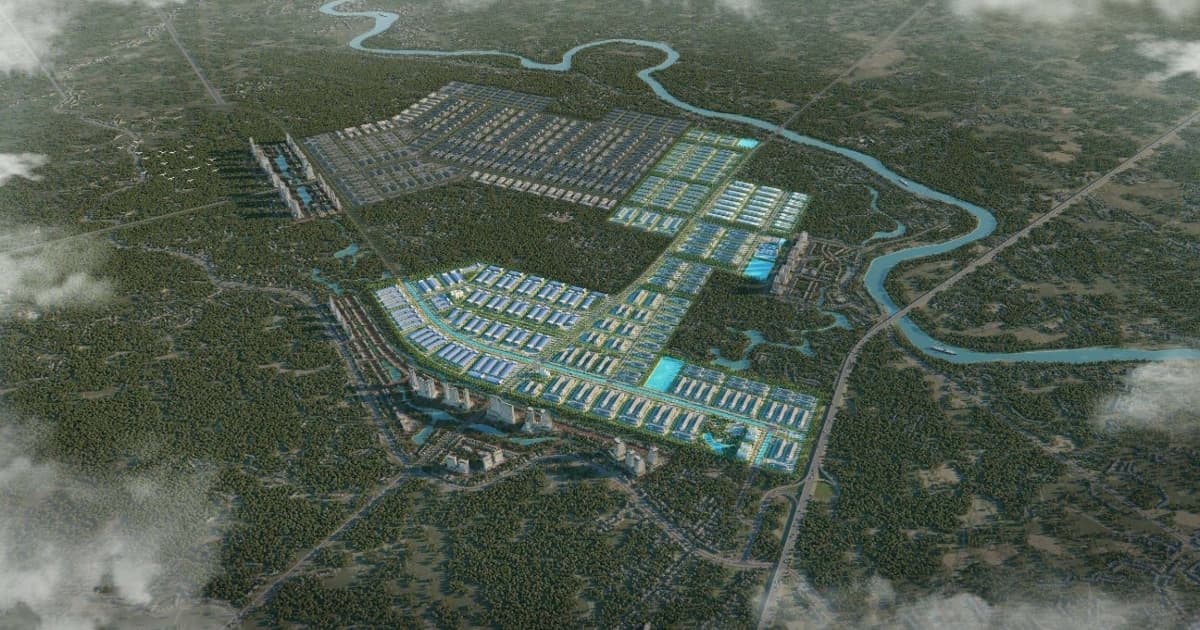
These days, visitors and investors heading to Can Gio - where construction of Vinhomes Green Paradise, a sea encroachment tourism-urban area project - is under way – can easily spot property brokers lining the roads to promote products currently on sale.
Indicative prices at the project vary by product type, size, and timing. Terraced houses of 60-125 square metres are priced from about VND11 billion ($418,420) per unit, while shophouses of 90-150 sqm start from VND16 billion ($608,600).
Semi-detached villas of 180-300 sqm are priced from around VND25 billion ($950,950) a unit, and detached villas of 290-1,000 sqm from VND40 billion ($1.52 million). Apartment prices have yet to be announced and are expected to be released in January 2026.
According to The Investor data, land prices in Can Gio have surged since news of the mega urban project emerged, rising by an average of 30-50% since April 2025. Plots close to the project have jumped 60-70%, reaching around VND50-70 million ($2,660) per sqm.

A Ho Chi Minh City-based property broker who declined to be named said that land prices around the project have risen sharply and resale supply is now scarce, as most sellers are cashing out to invest in products within the Can Gio project itself.
He added that the developer sold out 1,000 low-rise units in the first phase, while about 80% of the 800 units in the second phase have already been absorbed. Transactions are largely long-term investments, with little short-term flipping.
“This is a worthwhile investment because prices are lower than in central Ho Chi Minh City and it is also a good place to live given pollution in the city center,” the broker said. He pointed to a planned high-speed rail link being developed by the investor, which would cut travel time to the city center to about 15 minutes.
The broker advised buyers of low-rise units to adopt a long-term strategy, noting that short-term speculation offers limited returns compared with apartments.
Similarly, a veteran investor named Phuc and living in HCMC, said property liquidity in HCMC remains highly fragmented by area, with demand strongest for high-end and luxury projects in the city center.
Meanwhile, the neighboring province of Binh Duong has abundant supply in the mid-range apartment segment at more affordable prices.
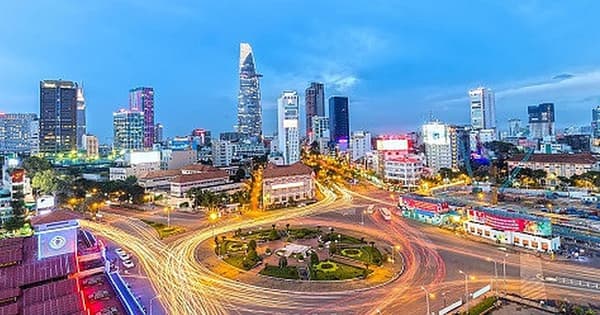
Another factor drawing investment capital into HCMC is expectations that the newly expanded city, following its merger with Ba Ria-Vung Tau and Binh Duong provinces, will gain fresh growth momentum from infrastructure development and ambitions to become a financial hub, fuelling hopes of a new long-term property price cycle.

High prices raise liquidity concerns
Data from the Ho Chi Minh City Department of Construction and the Ministry of Construction show apartment prices continuing to rise sharply, particularly in the mid- and high-end segments.
Average apartment prices in the city have reached about VND91 million ($3,460) per sqm, with some projects in the central city areas marketed at VND120-150 million ($5,710) per sqm.
Improved transport infrastructure and supply shortages are seen as the main drivers, with major projects such as Metro Line No.1 (Ben Thanh-Suoi Tien), Ring Road No.3, and Thu Thiem Bridge No.4 pushing up prices in surrounding areas.
Prices of villas and townhouses have also edged up by 1-3%, mainly in areas with well-developed infrastructure, ranging from VND150 million to VND500 million ($19,000) per sqm.
Despite higher prices, transaction volumes have declined. Inventory at projects in Q3 stood at about 26,717 units, including 6,323 apartments, up 137% from Q2/2025; 12,327 landed homes, up 19%; and 8,067 land plots, down 31.2%.
The figures suggest that while market sentiment has improved, absorption remains weak, especially for investment-oriented products such as villas and townhouses that do not serve genuine housing demand, as well as apartments whose prices are considered excessively high.
The Investor data shows new apartment launches in the former Ho Chi Minh City area are almost entirely positioned in the high-end segment, with prices above VND100 million ($3,800) per sqm. Prices in the former Ba Ria-Vung Tau and Binh Duong areas are lower but still range from VND50-70 million ($2,660) per sqm, with some projects approaching central city levels.
Le Ba Chi Nhan, a property expert, warned that real purchasing power is under heavy pressure as the gap between incomes and housing prices continues to widen.
He said the market is being driven largely by investment capital as a hedge against inflation, with investors favouring projects that offer both living and rental potential.
However, expectations of capital gains remain the primary driver of buying decisions. Looking ahead, he expects supply to continue rising but transactions to become more selective, focusing on projects with clear legal status and reputable developers.
Meanwhile, Vo Huynh Tuan Kiet, director of housing market research at CBRE Vietnam, said price growth in high-end and luxury apartments shows no sign of slowing. Transactions are increasingly speculative and less tied to genuine housing demand, raising the risk of market saturation and weaker liquidity if prices move beyond buyers’ affordability.
Some property developers have also voiced concerns about excessively high prices, noting that sharp price surges are often followed by corrections and downturns. They say they hope for more sustainable and stable growth in the property market.