VIETNAM CHAMBER OF COMMERCE AND INDUSTRY
Liên Đoàn Thương Mại Và Công Nghiệp Việt Nam
Wed, Oct 06, 2021, 07:45:00
Despite Covid-19, foreign direct investment (FDI) in the first nine months of the year still increased by 4.4%. However, due to factory closures and labour shortages for production, businesses are facing many difficulties.
Processing and manufacturing industry leads the total of investment capital
According to the Foreign Investment Agency (Ministry of Planning and Investment), as of September 20, the total newly registered capital, adjusted and contributed capital to buy shares, purchase capital contribution (GVMCP) of investors foreign investment reached US$22.15 billion, up 4.4% over the same period in 2020. Realised capital of foreign investment projects was estimated at $13.28 billion, down 3.5% over the same period in 2020.
In terms of investment, foreign investors have invested in 18 sectors out of 21 national economic sectors, in which the processing and manufacturing industry leads the total investment capital of more than $11.8 billion, accounting for 53.4% of total registered investment capital. Although the electricity production and distribution industry has attracted a small number of new and adjusted projects as well as purchasing capital contribution, with a large project scale, it ranks second with the total of investment of over $5.5 billion, accounting for nearly $5 billion. 25% of total registered investment capital. Next are the real estate, wholesale and retail businesses with a total registered capital of $1.78 billion and over $750 million, the rest are other industries.
In terms of the number of new projects, the manufacturing industry, wholesale and retail and professional activities, science and technology lead, accounting for 33.2%, 28.2% and 14.9 of total projects.

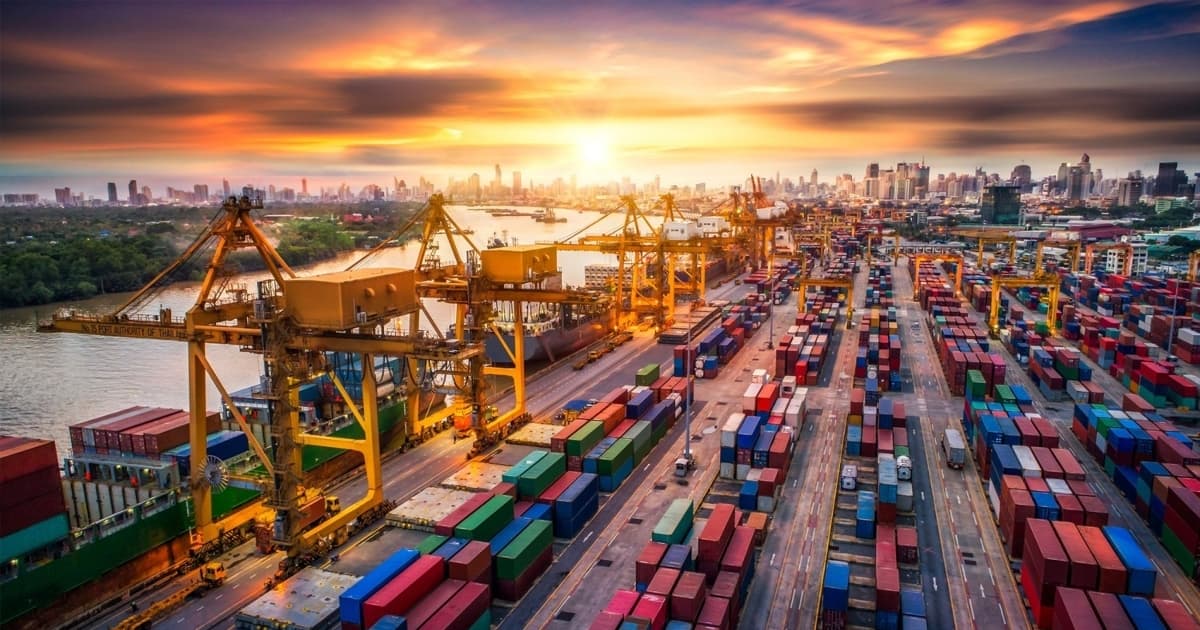
Realised investment capital of foreign investment projects in the first 9 months of
the year decreased by 3.5% over the same period. Illustration (Photo taken before
the time of the Covid-19 pandemic)
Foreign investors still focus on investing in big cities with convenient infrastructure such as HCM City, Hanoi, and Bac Ninh. In which, Ho Chi Minh City leads both in number of new projects (33.3%), number of adjusted projects (17.4%) and purchase capital contribution (59.5%). Although Hanoi was not in the top five localities attracting foreign investment in 9 months, it ranked second in terms of number of new projects (21.1%), number of adjusted projects (14%) and purchase capital contribution (11%). 9%).In the first nine months of the year, Singapore took the lead with a total investment of nearly $6.3 billion, accounting for 28.4% of total investment capital in Vietnam; Korea surpassed Japan, ranked second with a total investment capital of over $3.9 billion. Japan ranked third with a total registered investment capital of nearly $3.3 billion, accounting for 14.7% of total investment capital, followed by China, Hong Kong and Taiwan.
Commenting on the situation of foreign investment in the first 9 months of 2021, the Foreign Investment Agency said that the Covid-19 pandemic is still complicated, and the sharp decline in global foreign investment capital flows also affects foreign investment flows into Vietnam.
At the same time, Vietnam's selective investment attraction policy (reducing quantity, increasing quality) also eliminates small-scale projects with little added value. The restrictions on entry and the long-term isolation policy have slowed the delegations of experts and project development teams into Vietnam to survey and carry out investment procedures.
In addition, the lockdowns of factories and restrictions on the movement of workers in industrial zones, which stagnate production, reduce capacity and output, and disrupt the supply chain, also contribute to affecting the psychology of investors who are planning to invest in Vietnam.