VIETNAM CHAMBER OF COMMERCE AND INDUSTRY
Liên Đoàn Thương Mại Và Công Nghiệp Việt Nam
Sat, Nov 05, 2022, 15:56:00
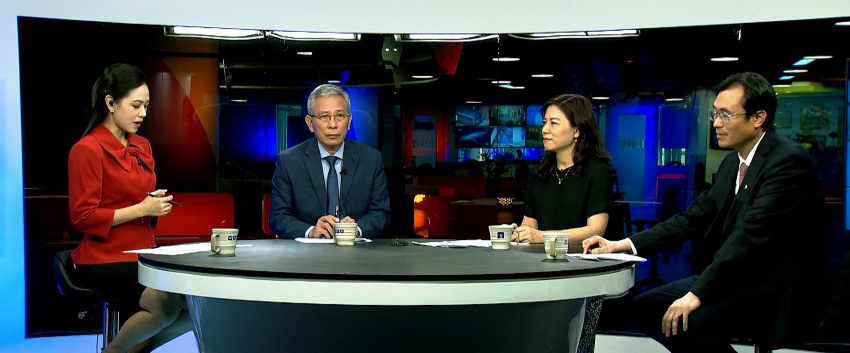
This main message was given at a roundtable on Green Chemistry in Industrial Production: Challenges and Solutions.
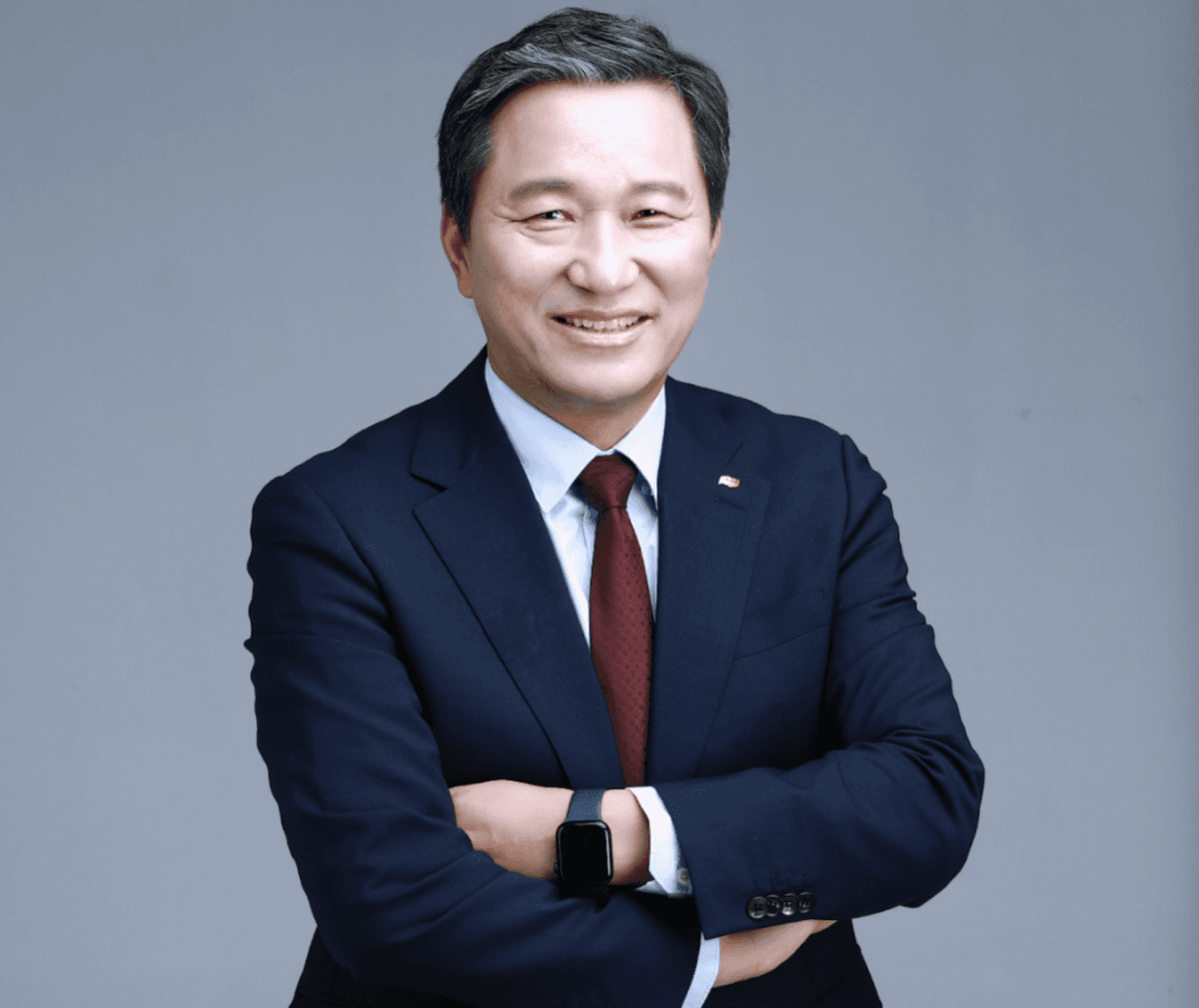
Thanh pointed out that, “The current Law on Chemicals has content related to green chemistry principles such as reducing the use of hazardous chemicals and preventing waste – especially hazardous materials. However, the law does not have a separate regulation on the concept of Green Chemistry. In order to have a sufficient legal basis to issue regulations and guidelines related to the criteria of international conventions and green chemistry, this concept should be added to the Law on Chemicals.”
According to the Ministry of Industry and Trade's statistics, the total annual output of Vietnam's chemical industry accounts for about 10-11 per cent of the total GDP. Chemicals play an important role and are an indispensable input material in all production fields.
However, the use of toxic chemicals in industrial production has had a serious impact on the environment and human health.
The European Union recently approved a robust policy framework on chemicals and waste within the framework of the European Green Agreement. Under that, the EU will tighten technical and environmental standards for goods imported into the bloc, including regulations on the chemical compositions used in production.
This is a challenge for businesses as well as management agencies as the EU is a significant partner of Vietnam. The export turnover to the EU accounted for 9 per cent of the country's total import and export turnover in 2021.
Le Thanh Thao, a representative of the United Nations Industrial Development Organization (UNIDO) said, "While the transition to greener industrial production is unavoidable, it will take time to transit to green chemistry. However, to achieve the goal of sustainable industrial development and its long-term benefits, Vietnamese businesses need to start this journey.”
"Applying green chemistry is a challenge for businesses that require serious investment in terms of finance, resources, and technology. This is happening not only in Vietnam but in all fields in almost every country around the world,” Thao stated.
Within the framework of the Inter-Organization Programme for the Sound Management of Chemicals (IOMC) project, in 2021 and 2022, the Department of Chemicals, the Ministry of Industry and Trade, and UNIDO implemented many training and capacity-building activities for Vietnamese policymakers, researchers, and businesses.
|
“The IOMC promotes the coordination of policies and activities, pursued jointly or separately, to achieve the sound management of chemicals in relation to human health and the environment,” said Rui Ludovino, first counsellor of Climate Action, Environment, Employment, and Social Policies at the Delegation of the European Union to Vietnam. |
Rui Ludovino, first counsellor of Climate Action, Environment, Employment, and Social Policies at the Delegation of the European Union to Vietnam explained that IOMC is to strengthen international cooperation in the field of chemicals and to increase the effectiveness of the organisation's international chemicals programmes.
The European Union funds the IOMC Toolbox project, which was developed to assist countries to identify practical and cost-effective chemical management options to address national concerns, using the available resources developed by IOMC's participating organisations.
The toolbox was designed as a problem-identification and problem-solving tool to enable countries to identify the most appropriate and efficient national actions to address specific national problems related to sound chemical management in relation to human health and the environment.