
Hanoi (VNA) – Resolution No. 19-NQ/TW, adopted at the third plenum of the 14th Party Central Committee, calls for a shift from growth driven mainly by capital, natural resources, labour and processing to one based on productivity, science and technology, innovation, and digital transformation.
For Hanoi, which targets average GRDP growth of at least 11% annually from 2026 to 2030, unlocking resources and improving their allocation will be crucial to enabling businesses, particularly small- and medium-sized enterprises (SMEs), to create more jobs and added value.
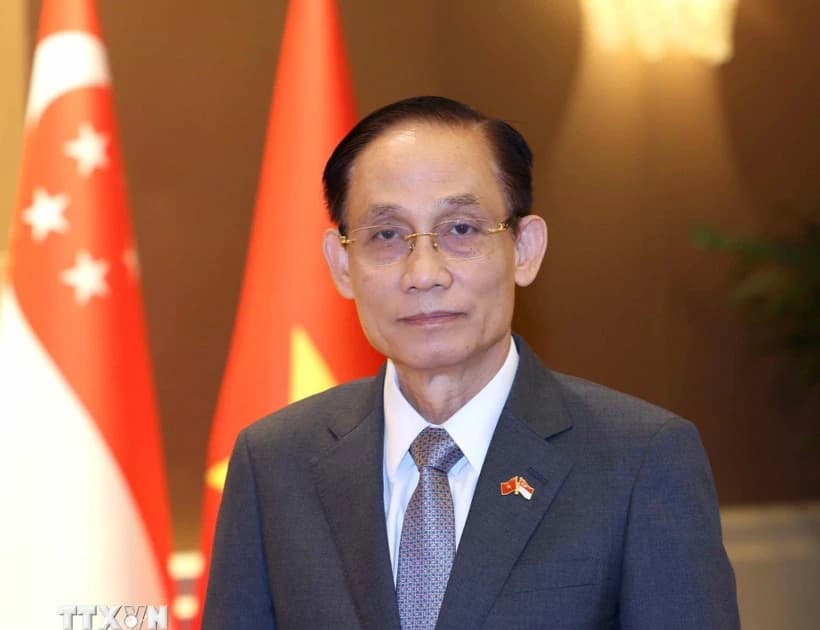
In an interview with the Vietnam News Agency, Mac Quoc Anh, Vice Chairman and Secretary General of the Hanoi Association of Small and Medium Enterprises (HANOISME), said the resolution calls for a change in economic management. It signals a move away from traditional control toward fostering development and providing guidance.
He said regulations should be clear, transparent and easy to implement, while the management approach should shift from pre-inspection to smarter post-inspection, alongside stronger protection of property rights and the freedom to conduct business.
“If Hanoi translates these orientations into decisive action, businesses will directly benefit from lower compliance costs, shorter administrative procedures and reduced policy risks,” he said.
He pointed out that for SMEs, long procedures or unstable regulations can drive up costs and cause them to miss out on market opportunities. On the other hand, a clear, stable, and predictable investment environment can boost business confidence, encouraging long-term investments, tech upgrades, and growth.
He stressed that the new development model creates opportunities for businesses capable of innovation and generating higher added value, regardless of their size. However, those opportunities will only become real results if businesses actively transform themselves and authorities create favourable conditions for investment and production.
While capital remains important, Quoc Anh said unlocking resources should not simply mean injecting more money into the economy.
“The key is to make existing resources move faster, be used more efficiently and flow into activities that generate higher productivity, jobs and added value,” he said.
For SMEs, he identified capital, land and production space, technology, data and high-quality human resources as key resources that need to be made more accessible.
Many businesses have solid plans and promising markets but struggle to secure long-term financing due to a lack of collateral. To address this, Hanoi should broaden funding options for innovation, digital and green transformation, and tech enterprises, while making support funds and programmes more effective so that resources reach the right people.
Public investment should also play a stronger role in leading and stimulating private investment, he said. Faster development of strategic infrastructure, resolution of stalled projects and expansion of development space would create more opportunities for private businesses to invest and supply products and services.
Administrative reform should also be viewed as an economic solution, Quoc Anh added.
“Every day saved in processing a procedure means lower costs, while every project removed from a bottleneck creates an opportunity for capital to return to production and business,” he said.
SMEs must compete through productivity and technology
As science and technology, innovation, digital transformation and productivity become major growth drivers, SMEs must also change how they compete.
Small businesses can no longer rely mainly on low prices and low-cost labour, Quoc Anh said. Instead, they need to compete through productivity, technology, product quality, data, branding and management capacity.
Technology should be part of a business development strategy rather than simply an equipment investment. Digital transformation and artificial intelligence can help reduce costs, standardise processes and speed up decision-making, but businesses should focus on practical needs rather than invest simply because of a trend.
Green transformation is also increasingly linked to competitiveness, as saving materials and energy and meeting environmental standards are becoming requirements for joining domestic and international supply chains.
Quoc Anh called for stronger links among large enterprises, leading companies, SMEs, startups, research institutes and universities. Such cooperation can help SMEs become suppliers, improve product standards and move deeper into value chains.
With its universities, research institutes and highly qualified workforce, Hanoi has favourable conditions to build such connections and turn knowledge and research results into technologies, products and higher productivity, he said./.

VIETNAM CHAMBER OF COMMERCE AND INDUSTRY
Liên Đoàn Thương Mại Và Công Nghiệp Việt Nam