VIETNAM CHAMBER OF COMMERCE AND INDUSTRY
Liên Đoàn Thương Mại Và Công Nghiệp Việt Nam
Mon, Jul 31, 2023, 15:30:00
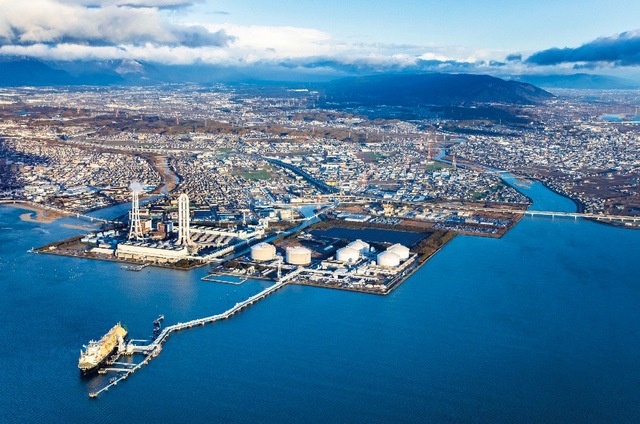
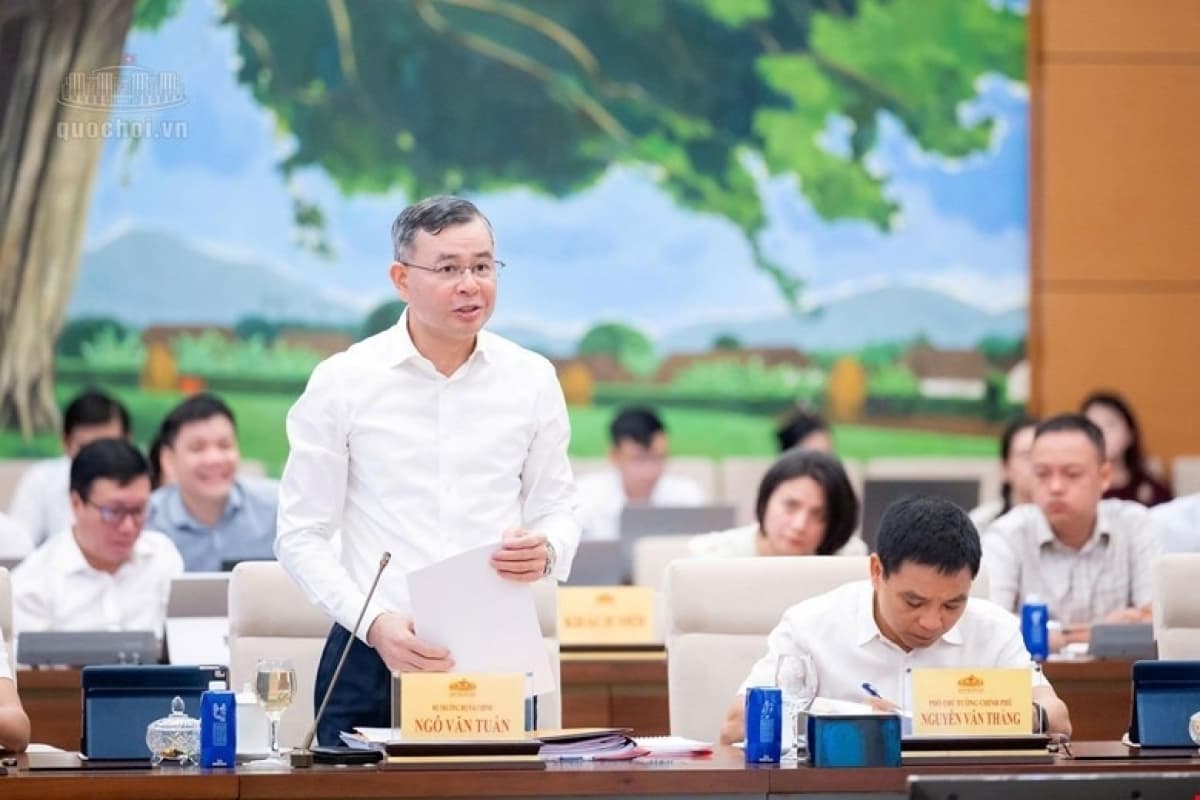
At a meeting with Vietnam's Deputy Prime Minister Tran Hong Ha on July 27, Steven Winn, chief of Global Strategy at JERA Co., Inc., said, "We are committed to becoming net-zero in Vietnam and implementing Japan's Asia Zero Emission Community (AZEC) initiative."
According to Winn, JERA wants to get involved in the conversion of Vietnam's coal power plants to liquefied natural gas (LNG) by adding novel fuels such as green hydrogen, green ammonia, biomass, combined carbon recovery, and landfill.
DPM Ha stated that JERA is welcome to engage in a pilot energy venture under the AZEC initiative in Vietnam, while also utilising all available mechanisms to keep the price within the reach of Vietnamese consumers.
"Effective mitigation initiatives that JERA has carried out in Japan should be applied to projects in Vietnam," said the DPM.
Vietnam is an emerging nation with firm commitments to net-zero and the Just Energy Transition Partnership (JETP) roadmap.
To promote mutual growth and profit sharing through technology transfer, DPMHa is seeking Japanese and Vietnamese energy firms to work collaboratively to carry out clean and renewable energy initiatives under the nation's Power Development Plan VIII (PDP8).
According to the PDP8, the proportion of power derived from natural gas is set to increase from 10.2 per cent, (7.08GW) in 2020 to 21.8 per cent (32GW) in 2030. Natural gas emits fewer greenhouse gases and is more adaptable to renewable energy sources. The percentage of electricity derived from natural gas will rise from 12.5 per cent in 2020 to 25.5 per cent in 2030.
The PDP8 aims to attain peak emissions of no more than 170 million tonnes by 2030, assuming that partners worldwide fully and substantively implement their JETP commitments. The construction of a smart grid capable of integrating and operating large-scale renewable energy sources in a safe and efficient manner will also be a factor.
The plan also states that no new coal-fired power plants will be constructed after 2030, with a gradual shift to biomass fuels or ammonia, while no new LNG power sources will be developed after 2035.