VIETNAM CHAMBER OF COMMERCE AND INDUSTRY
Liên Đoàn Thương Mại Và Công Nghiệp Việt Nam
Wed, Jan 22, 2025, 03:48:00
 |
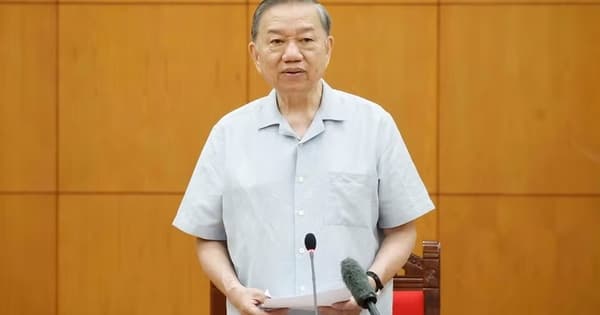
| Minister of Industry and Trade Nguyen Hong Dien |
ALL TARGETS IN 2024 ACHIEVED, NEW RECORDS SET
In 2024, despite challenges, Vietnam reached a GDP growth of 7 percent plus. This achievement is partially attributed to the industry and trade sector’s efforts. Could you highlight some of the sector’s notable accomplishments in 2024?
In 2024, the global landscape continued to experience significant, complex, and unpredictable changes, presenting both opportunities and challenges that impacted Vietnam’s socioeconomic development and the industry and trade sector in particular. Under the direct guidance of the Government and the Prime Minister, and with effective collaboration across ministries, agencies, and localities, the Ministry of Industry and Trade implemented decisive, comprehensive, flexible, and innovative solutions to achieve the highest results in the implementation of its assigned tasks.
The industry and trade sector has fulfilled or exceeded all targets in 2024, achieving double-digit growth rates in different fields, setting new records, and helping the national economy overcome challenges to achieve remarkable growth. Key highlights include:
Policy innovation breakthroughs
2024 was a pivotal year for policy improvement, with numerous laws, decrees, and circulars revised, supplemented, and or newly issued, such as the amended Electricity Law; Decree No.80/2024/ND-CP on direct power purchase mechanisms for renewable energy producers and major power consumers; Decree No.135/2024/ND-CP on promoting rooftop solar self-production and consumption; and a draft decree on petroleum business.
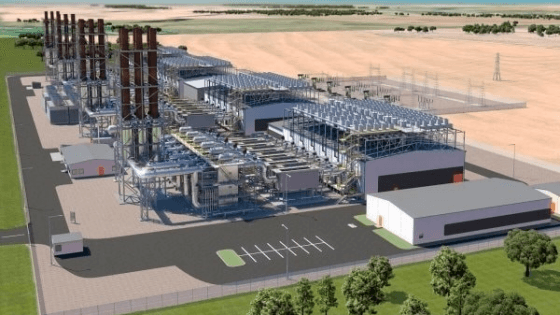
Quang Trach - Pho Noi 500kV circuit-3 power transmission line
The 519km long Quang Trach - Pho Noi 500kV circuit-3 power transmission line has 1,177 towers, including the tallest at 145 meters and the heaviest at 415 tonnes. This project has helped ensure balanced energy supply and national energy security.
Strong industrial recovery
The industrial sector surged by 8.4 percent, with the processing and manufacturing industry growing by nearly 10 percent compared to 2023, reaffirming its critical role as a pillar and driving force for economic growth.
Robust import-export activities
Vietnam’s foreign trade value reached a historic milestone of US$786.29 billion in 2024, the highest value over the past 40 years, marking a 15.4 percent increase from the previous year. The country has earned a trade surplus for 9 consecutive years, with that in 2024 reaching almost US$25 billion.
Expansion into new markets
Significant breakthroughs were made in exploring potential markets in the Middle East, Africa, Southern Europe, and the Halal sector. Key agreements, such as the Vietnam-UAE Comprehensive Economic Partnership Agreement (CEPA), opened new opportunities for signing additional free trade agreements (FTAs).
E-commerce growth
Vietnam’s retail e-commerce market exceeded US$25 billion in 2024, marking a significant increase of 20 percent compared to the previous year, accounting for 9 percent and two-thirds of the country’s consumer goods and services revenue, and digital economy value, respectively, maintaining its position among the top 10 fastest-growing e-commerce markets globally.
Domestic market growth
The domestic market grew by 9 percent, serving as a foundation for the country to achieve macroeconomic growth targets.
Trade promotion innovation
Trade promotion embraced rapid digital transformation while going green and sustainable. Vietnam’s national brand value for the first time surpassed US$500 billion, ranking the country 32nd globally in this regard.
Proactive trade defense
The industry and trade sector has taken the initiative in trade remedies and successfully handled most trade defense cases, helping protect Vietnamese goods in trade with foreign markets.
Administrative reforms
Despite not being subject to the Party Central Committee’s reorganization policy, the MoIT has proposed reducing nearly 18 percent of its organizational units. It also completed all 16 tasks outlined in the 2024 administrative reform plan. According to the Government Office’s report on administrative reform in 2024, with a score of 83.15, up 6.6 percent from 2023, the Ministry ranked first among all ministries in serving citizens and businesses.
 |
| Fabrication of offshore wind turbine foundations at PTSC Port in Vung Tau City |
FOREIGN TRADE VALUE HITTING RECORD HIGH IN 2024
Vietnam reached a foreign trade value of US$786.29 billion in 2024, the highest level over the past 40 years. Could you share more insights on this impressive accomplishment?
In 2024, the MoIT focused on decisively, comprehensively, and flexibly implementing effective import-export policy tools. However, I believe the significance of this achievement lies not only in reaching an export value of US$405.53 billion, but also in the continued improvement of the export structure. This shift has helped reduce the proportion of raw material exports while increasing exports of processed and industrial products, enabling Vietnamese goods to integrate more deeply into global production and supply chains.
Looking back, it took years for Vietnam’s exports to surpass US$100 billion in 2012, another 5 years to reach US$200 billion in 2017, and 4 more years to exceed US$300 billion in 2021. Remarkably, in 2024, the country’s exports increased by an additional US$100 billion, surpassing US$400 billion for the first time. This milestone is particularly noteworthy, given the ongoing challenges in the global economy that have hindered export activities.
To achieve these results, the MoIT promptly developed and implemented the commodity import and export strategy to 2030, leveraging Vietnam’s competitive advantages, fostering national brand development, opening new markets and sectors, streamlining the certification of goods origin, and innovating trade promotion efforts.
To support production inputs for exports, the Ministry diversified import markets, particularly for raw materials and components, to avoid over-reliance on a single source. Steps were taken to improve trade balances with markets where Vietnam has a trade deficit, ensuring greater balance, enhancing quality control of imported goods, and expediting the review and amendment of regulations on specialized inspections to align with international standards.
These comprehensive measures contributed to Vietnam’s 2024 import-export sector being a standout highlight and one of the main drivers of economic growth.
Vietnam has earned a trade surplus for 9 consecutive years, with that in 2024 reaching nearly US$25 billion, significantly contributing to the balance of payments, exchange rate stability, and other macroeconomic indicators.
ECONOMIC INTEGRATION BOOSTS EXPORTS AND INVESTMENT
The MoIT obtained impressive achievements in international economic integration, creating breakthroughs in exports, and opening up opportunities for Vietnamese goods to access new markets, such as the Middle East and Africa. Could you tell us more about this?
So far, Vietnam has established diplomatic relations with 193 countries and become an active member of nearly 70 regional and international organizations. The country has signed 18 FTAs, 17 of which have taken effect, and is negotiating two other FTAs. Vietnam has participated in 20 FTAs with over 60 partners across all continents, covering a total GDP accounting for nearly 90 percent of the global GDP.
However, in 2024, the global context and trends presented numerous difficulties and challenges for international economic integration. In this situation, the MoIT’s approach was to promote exports to traditional markets by effectively leveraging multilateral, regional, and bilateral cooperation mechanisms, while at the same time exploring new markets in the Middle East and other regions.
We have unlocked potential markets in the Middle East and Africa by signing the Vietnam-UAE Comprehensive Economic Partnership Agreement after a record negotiation period of 16 months. This is Vietnam’s first FTA with an Arab country, opening a new chapter in economic and trade cooperation between Vietnam and the UAE, and countries in the Middle East and Africa.
The MoIT has prepared and submitted the CPTPP accession document for the UK and Northern Ireland (UK), which was approved by the 15th National Assembly at its seventh session. The Ministry also prepared and submitted to the Prime Minister the Implementation Plan for the Vietnam-Israel Free Trade Agreement (VIFTA). It has coordinated with relevant ministries and sectors to participate in negotiations on the upgrade of existing FTAs as well as new ones within the ASEAN framework.
The MoIT has also negotiated, signed, and implemented bilateral legal frameworks on economic and trade cooperation with countries, such as China, the Republic of Korea, Laos, Malaysia, Australia, New Zealand, South Africa, Mozambique, and Saudi Arabia.
CREATING MOMENTUM FOR DEVELOPMENT IN NEW ERA
Deputy Prime Minister Bui Thanh Son said that in 2025, the industry and trade sector should create momentum for the country to achieve a double-digit economic growth rate in the 2026-2030 period. What measures will the sector focus on to achieve its targets for 2025?
2025 marks the final year of the 2021-2025 socioeconomic development plan, laying the foundation for Vietnam to implement its socioeconomic development plan for the 2026-2030 period with a double-digit economic growth target set by the Government. To contribute to the successful achievement of Vietnam’s socioeconomic development goals for 2025, laying the foundation for it to enter a new era, the era of the nation’s rise, the industry and trade sector will focus on effectively implementing the following key measures:
First, the MoIT will continue to internalize new directives of the Party and the State on industrial and trade development into feasible mechanisms and policies, and ensure their effective implementation to create new momentum for economic development. The Ministry will prepare action plans for implementing the resolution of the 10th session of the 13th Party Central Committee and the Government’s Resolution on socioeconomic development, improving the business and investment environment, and enhancing national competitiveness. The industry and trade sector is determined to effectively implement tasks assigned to it right from the beginning of the year.
Second, the MoIT will focus on accelerating institutional reforms to create a favorable legal framework for Vietnam to attract more investment in industrial, energy, and trade development.
Third, the industrial sector will continue to be restructured with the support of science, technology, and innovation to enhance competitiveness, boosting traditional growth drivers while tapping into new ones. Efforts will be focused on removing obstacles for businesses and helping them accelerate industrial, energy, and trade development projects, thus creating new momentum for economic growth.
Fourth, the MoIT will strengthen international economic integration and advise the Government on measures to effectively leverage opportunities from diplomatic relations with major countries to anticipate the shift in investment from multinational corporations in key industries to third countries, especially in sectors where Vietnam has advantages. The role of overseas Vietnamese Trade Offices will be strengthened. The MoIT will also advise the Government on negotiations to sign new FTAs and upgrade existing ones with potential partners.
Fifth, the effectiveness of trade promotion activities will be enhanced, closely combining traditional and modern trade to tap into the domestic market. Further efforts will be made to promote e-commerce and the digital economy. The management of the domestic market will be tightened along with improving the capacity for trade defense to protect domestic production and consumer interests in line with international commitments.
Sixth, the industry and trade sector will urgently complete the restructuring and streamlining of the organizational apparatus as directed by the Party Central Committee to meet the requirements of new tasks. The sector will accelerate administrative reform, simplify administrative procedures, and promote digital transformation in all activities to create a significant change across the entire system.
It can be affirmed that 2025 is the year to consolidate the foundational elements, laying the foundation for our country to confidently enter the era of national prosperity and successfully achieve the goals of the Socioeconomic Development Strategy for the 2021-2030 period.
In response to the Prime Minister’s directive on setting an eight-percent GDP growth rate scenario for 2025, the industry and trade sector has proposed the following growth targets for 2025: The index of industrial production (IIP) to increase by 9-10 percent compared to 2024; Exports to grow by about 12 percent compared to 2024; The total retail sales of consumer goods and services to increase by approximately 10 percent compared to 2024; The total electricity production and imports to reach 347.5 billion kWh, up 12.2 percent compared to 2024.
With its 75-year history as the economic backbone of the country, the industry and trade sector will overcome challenges, leverage the momentum of 2024’s growth, and seize opportunities in both domestic and international markets to promote its rapid and steady transformation. The sector will undergo a breakthrough to achieve the goals outlined in the resolution of the 13th Congress of Communist Party, preparing for the 14th Congress. This will coincide with celebrating the 95th anniversary of the Party and the 100th anniversary of the State, contributing to creating momentum and confidence for Vietnam to step firmly into the era of the nation’s rise./.