VIETNAM CHAMBER OF COMMERCE AND INDUSTRY
Liên Đoàn Thương Mại Và Công Nghiệp Việt Nam
Thu, Dec 11, 2025, 14:30:00
Can Gio is the only coastal district of the former HCMC. In July, HCMC, Ba Ria-Vung Tau and Binh Duong were merged to form the new HCMC.

A submission by the municipal People’s Committee to the city’s Party leaders confirmed that a Ben Thanh-Can Gio railway line proposed by VinSpeed is scheduled to break ground on December 19 and be completed in 2028.
The railway will span nearly 53 km with a total investment of more than VND85.6 trillion ($3.25 billion). It will start at Ben Thanh Station and end at the Can Gio sea encroachment urban area, with a designed speed of up to 350 km per hour.
Meanwhile, the Can Gio Bridge, with an estimated investment of more than VND12.4 trillion ($470.2 million), will link Binh Khanh commune with Nha Be commune. The 7.3-km bridge is expected to start construction in January 2026 and be completed in 2028.
It will replace the Binh Khanh ferry, creating a new transport corridor connecting Can Gio with the city’s southern areas.
The project has long been awaited by local residents as a catalyst for socio-economic development. Once completed, travel time between the city center and Can Gio is expected to be cut to about one hour, compared with the lengthy journey currently required despite the district being just over 40 km from downtown.
Experts say that following the merger of Ba Ria-Vung Tau, Binh Duong, and HCMC, the new HCMC has an opportunity to transform into a true mega city, comparable to Shanghai or Tokyo. Maritime-oriented urban planning, including the development of coastal areas such as Can Gio, is seen as a necessary policy step that could also spur strong growth in the city’s real estate market.
Speaking at the Southern Key Economic Region Real Estate Forum, Nguyen Huu Huan, an associate professor and member of the advisory group for establishing an international financial center in HCMC, said the city could already be considered a mega city in terms of population size and land area, broadly comparable with Tokyo and second only to Shanghai.
However, he noted a wide gap remains in economic output. While leading global cities generate around $1 trillion in gross regional domestic product (GRDP), HCMC’s GRDP stands at about $120 billion, roughly one-10th of that level.
According to Huan, the merger of the three localities is creating significant room for growth, particularly in land availability and urban space. This provides an opportunity to form a more complete mega-city structure with substantially higher economic value over the long term.
Coastal urban potential
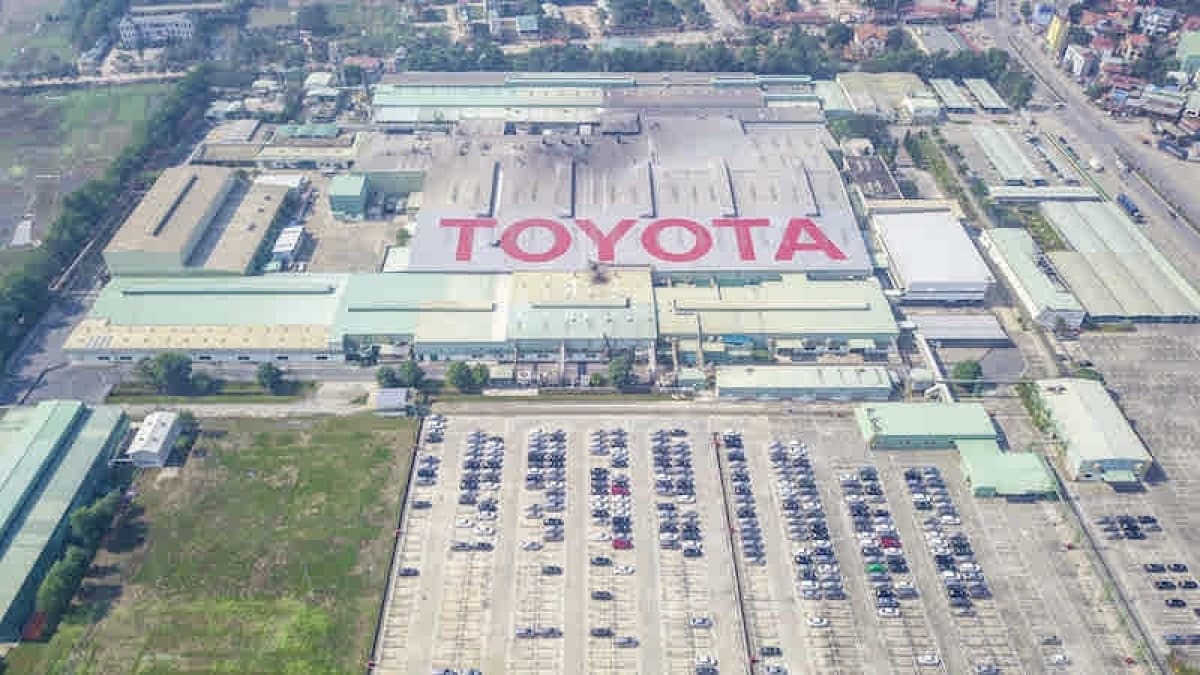
Huynh Thanh Dien, a lecturer at Nguyen Tat Thanh University, said that after the administrative restructuring following the merger, the old HCMC center is expected to develop along a service-commercial-urban-industrial model. Large-scale manufacturing activities would gradually shift northeast to the former Binh Duong province.
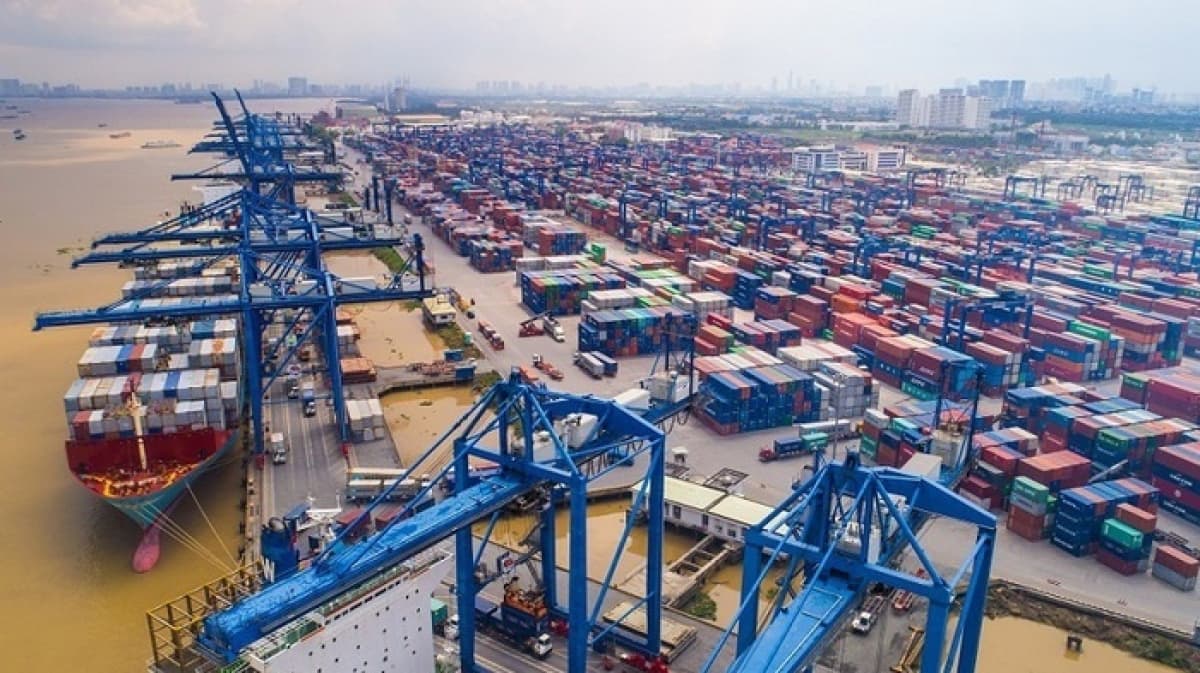
Port services, logistics and coastal tourism, meanwhile, would be prioritized in the former Ba Ria-Vung Tau province, home to the Cai Mep-Thi Vai port complex, one of Vietnam’s largest cargo transshipment hubs.
As a result, HCMC is stepping up investment in transport infrastructure to better link these economic zones. Rather than concentrating solely on the old city center, many residents and businesses are expected to gravitate towards newly expanded areas being developed into high-quality urban areas with integrated infrastructure and improved living environments.
Dien said urban planning should follow a “state-as-enabler” approach, with planning coming first and transport corridors following. Transit-oriented development (TOD) can generate real demand, as transport routes create flows of goods, people, jobs and capital, encouraging investment projects along major corridors.
Real estate developers, he added, should focus on shaping lifestyles and ecosystems tied to transport routes rather than chasing short-term market cycles, to avoid wasting social resources.
Sharing a similar view, Tran Dinh Thien, an associate professor and former head of the Vietnam Institute of Economics, said real estate development must be closely aligned with broader urban thinking, addressing living space, connectivity, and spillover effects.
He said development should not focus solely on metro lines but also on the requirements of future cities, particularly the potential of maritime space. A Can Gio seaport, if developed at the right scale, could become an international transshipment hub, providing a major boost to logistics and the maritime economy.
HCMC’s riverfront space is another rare advantage, Thien said, with multiple major rivers flowing through the city and creating opportunities for economic, cultural and urban tourism development. Enhancing river systems and linking them with seaports could help attract investors and elevate the city’s profile.
“In this context, a mega-city Ho Chi Minh City could become a national economic leader, especially as Long Thanh airport is expected to serve as a regional and international transit hub,” Thien said, adding that expanding connectivity across aviation, roads, expressways, ring roads and metro lines is crucial to attracting international resources.
Nguyen Quang Tuyen, an associate professor and vice chairman of the university council at Hanoi Law University, said that after regional consolidation, HCMC now has a population of more than 20 million and contributes about 27% of national GDP, providing a strong foundation for mega-city development.
Foreign investment inflows are expected to continue alongside capital shifting from northern Vietnam, supported by the city’s strategic location, clearer planning, improving infrastructure, and major projects such as Long Thanh airport and the North-South high-speed railway, which will significantly shorten travel times once completed.
Can Gio is emerging as a strategically located coastal city along major Pacific-Atlantic trade routes, acting as a springboard for HCMC to expand towards the sea. Early planning and strong policy commitment by city authorities will be critical to realizing this potential.