VIETNAM CHAMBER OF COMMERCE AND INDUSTRY
Liên Đoàn Thương Mại Và Công Nghiệp Việt Nam
Fri, Mar 06, 2026, 16:25:00
The conflict in the Middle East is pushing up logistics costs for many businesses in Ho Chi Minh City - Vietnam's biggest economic hub, as shipping routes through the Red Sea face disruptions.
Geopolitical tensions in the region, particularly following recent military developments involving the U.S., Israel and Iran, are beginning to affect production and import-export activities in HCMC, especially in industries with high exposure to international trade.
According to the Ho Chi Minh City Export Processing and Industrial Zones Authority (HEPZA), enterprises operating in the city’s export processing and industrial zones are deeply integrated into global markets, both in terms of raw material supply and export destinations. As a result, disruptions to global shipping routes and supply chains are starting to have tangible impacts on their operations.
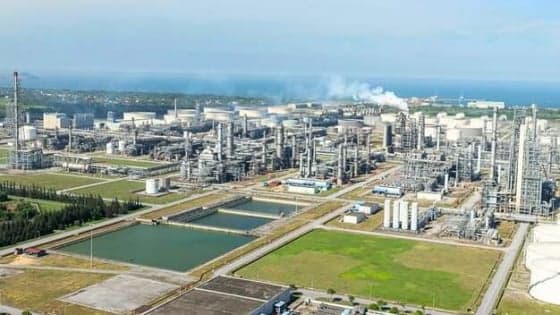
 A corner of the Tan Thuan Export Processing Zone in Ho Chi Minh City. Photo by The Investor/Duy Hieu.
Red Sea shipping disruptions drive logistics costs up
HEPZA reported that HCMC currently has 66 approved export processing and industrial zones, covering more than 27,270 hectares. Of these, 58 are operational, hosting 4,689 active projects, including more than 300 run by export processing enterprises.
In 2025, total revenue generated by businesses in these zones was estimated at around $80 billion, with exports reaching $48.4 billion and imports totaling $36.6 billion. Trade with the Middle East, however, accounted for only a small portion - around 3-5% of the total.
Despite the modest share, developments in the region are indirectly exerting significant pressure on the global logistics chain, HEPZA said.
Specifically, disruptions to shipping routes through the Red Sea have forced many shipping lines to reroute vessels around the Cape of Good Hope in South Africa. This detour has lengthened transit times by three to four weeks and significantly increased logistics costs.
Some companies importing raw materials from Europe said they are already facing supply shortages due to longer transit times and rising transportation costs. In many cases, firms have had to switch to air freight to maintain production schedules, further driving up expenses.
Multiple manufacturing sectors under pressure
The impact of the Middle East conflict is uneven, but particularly pronounced in industries whose supply chains depend heavily on Europe and the Middle East.
The electronics and components sector, for example, is facing the risk of shortages of chips and semiconductor components imported from Europe. Higher transportation costs are also pushing up product prices, putting pressure on profit margins.
Meanwhile, textile and footwear manufacturers are grappling with the risk of delayed deliveries to European partners. Some businesses warned that prolonged shipping disruptions could lead to the cancellation of summer orders.
In the chemicals sector, prices of key inputs such as plastic resins, solvents, and additives are rising in line with global oil price movements, increasing production costs across multiple industries.
Seafood and frozen food exporters are also experiencing significant impacts due to their reliance on air freight. Restrictions in certain airspaces have forced cargo flights to be canceled or rerouted, driving costs sharply higher.
At the same time, refrigerated containers have become scarcer, raising the risk of congestion at transshipment ports for products such as shrimp and pangasius destined for the EU or Middle Eastern markets like the UAE and Jordan.
For agricultural exporters, difficulties are also emerging in international payment transactions as banking services in some countries in the region face disruptions, while logistics costs continue to rise.
Pressure spreads to logistics sector
Not only manufacturers but logistics providers are also under mounting pressure. According to HEPZA, many shipping lines have canceled sailings or adjusted schedules, leaving finished goods unable to be shipped on time and causing congestion at port warehouses.
As a result, businesses must absorb additional expenses related to storage, cargo handling, and preservation, along with various surcharges.
 Phuoc An seaport in Ho Chi Minh City. Photo by The Investor/Vu Pham.
Beyond rising freight rates, companies are also facing additional charges such as “war risk surcharges” and “route diversion surcharges” imposed by shipping lines.
Rerouting vessels around the Cape of Good Hope has also extended container turnaround times, leading to shortages of empty containers at HCMC ports for export shipments.
A logistics company in HCMC said container shipping costs to Europe have risen sharply compared with the beginning of the year, prompting many exporters to reconsider their delivery plans.
Businesses urged to diversify supply chains
International trade experts note that although direct trade between Vietnam and the Middle East remains limited, the region sits along several of the world’s most strategic shipping routes. As such, any conflict there can trigger ripple effects across global supply chains.
A logistics expert suggested that Vietnamese exporters, particularly those based in HCMC - the country’s largest manufacturing and commercial hub - should prepare contingency plans to mitigate geopolitical risks.
“Businesses should diversify their sources of raw materials, explore alternative shipping routes, and proactively adjust inventory strategies to reduce reliance on certain strategic transport corridors,” the expert said.
Many companies said they are already increasing raw material inventories and working closely with logistics partners to adopt more flexible transportation options.
Amid ongoing volatility in global markets, HEPZA said it is closely monitoring business operations in export processing zones and industrial parks, particularly companies whose supply chains or export markets involve the Middle East and Europe. The authority is also regularly updating enterprises with guidance from the Ministry of Industry and Trade.
HEPZA added that it will continue facilitating administrative procedures for businesses, particularly in import-export activities such as issuing certificates of origin (C/O), granting work permits for foreign employees, and confirming enterprise status for the issuance of APEC Business Travel Cards (ABTC).
The authority is also coordinating with relevant departments to implement support measures in line with directions from the central government and the municipal People’s Committee, aiming to ease difficulties and stabilize production and business operations.
On Wednesday, fuel prices in Vietnam were raised sharply amid the escalating Middle East tensions. The price of E5 RON92 rose by VND1,926, now capped at VND21,449 ($0.82) per liter, while that of RON95-III went up VND2,189 to a maximum of VND22,340 per liter.
The price of diesel 0.05S was set at VND23,037 ($0.88) per liter at the maximum, up VND3,758. Meanwhile, those of kerosene and mazut 180CST 3.5S are capped at VND26,601 per liter and VND17,496 per kilogram, up VND7,132 and VND1,807, respectively.
Since the beginning of this year, domestic fuel prices have been adjusted 10 times, with both RON95-III and E5 RON92 decreased four times and increased six times. Meanwhile, diesel prices have fallen twice and risen eight times.