VIETNAM CHAMBER OF COMMERCE AND INDUSTRY
Liên Đoàn Thương Mại Và Công Nghiệp Việt Nam
Mon, Oct 21, 2024, 10:08:00
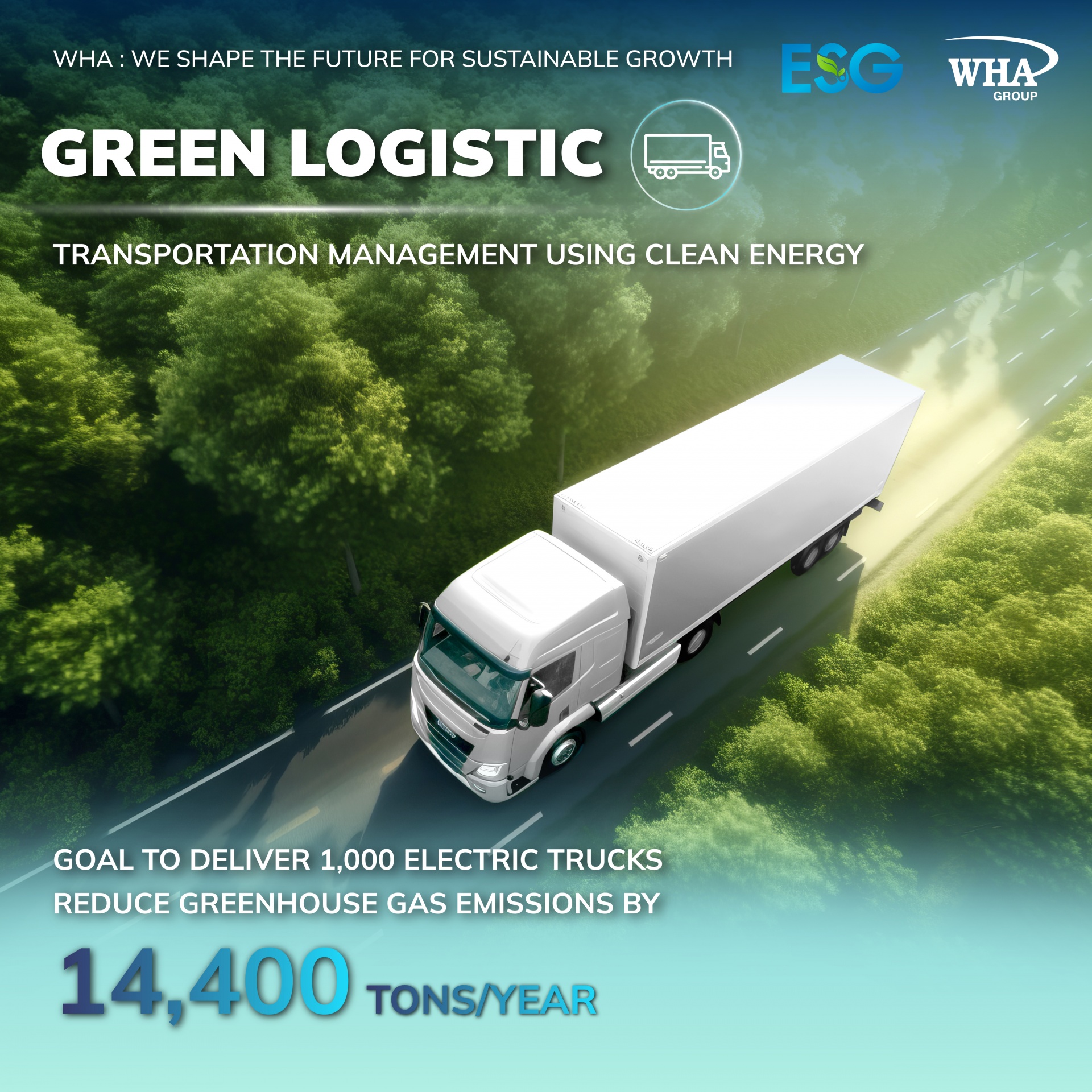
 It is undeniable that economic and social growth have been a major cause of increasingly severe climate change, which has had widespread impacts on society and people's livelihoods. Additionally, this has inevitably led to economic repercussions. Therefore, reducing greenhouse gas (GHG) emissions to address this issue has become a critical agenda globally. The transport and logistics industry, as one of the top GHG emitters, has also recognised the problem and has continuously sought solutions to mitigate its impacts.
One concept that is currently gaining a lot of attention is green logistics, which focuses on managing logistics activities in all dimensions, aiming to reduce the negative environmental impacts caused by logistics operations as much as possible. Green logistics helps save energy and reduce costs, losses, and inefficiencies, improving operational effectiveness. It also helps prevent trade barriers, as countries worldwide are starting to enforce stricter environmental regulations, which can enhance a business's long-term competitive advantage.
In driving the development towards green logistics, technology plays a significant role in balancing business operations and environmental problem-solving effectively. Various technologies can be developed into solutions that address all activities in the value chain, such as using data analytics to predict customer demand, developing automated warehouses, which save time, labour, and space, making product import-storage-export more efficient, and utilising renewable energy to replace environmentally harmful energy sources. Route optimisation can be used to calculate and select the most suitable routes for transportation. Moreover, transitioning to green transportation by using electric vehicles (EVs) is another key factor that can help the logistics industry reduce GHG emissions in the long term.
Studies of international examples reveal that many companies have seriously adopted the green logistics concept in their operations. For example, Cainiao, a subsidiary of Alibaba Group, manages logistics through smart and automated warehouses by integrating technologies like big data, AI, IoT, and robots into their transport and logistics systems. DHL’s Go Green project aims to convert 60 per cent of its fleet to EVs and targets using more than 30 per cent of sustainable aviation fuels by 2030. Additionally, the GoGreen Plus service allows customers to choose clean energy transport options.
In addition to private sector efforts to improve business models, strong governmental support is needed to stimulate demand, creating incentives for the adoption of technology, and promoting the production and development of related technologies, as well as the development of infrastructure to support their use.