VIETNAM CHAMBER OF COMMERCE AND INDUSTRY
Liên Đoàn Thương Mại Và Công Nghiệp Việt Nam
Sat, Apr 04, 2026, 10:10:00
 |
Sustainable export is increasingly viewed as a holistic capability rather than a certification exercise. While Voluntary Sustainability Standards (VSS) remain important, international buyers are placing greater emphasis on how these standards are implemented across the entire value chain.
In many cases, businesses still approach VSS as a technical requirement. However, without alignment with a clear business model and market demand, certifications alone rarely translate into competitive advantage or stable export orders.
A comprehensive approach to green export readiness
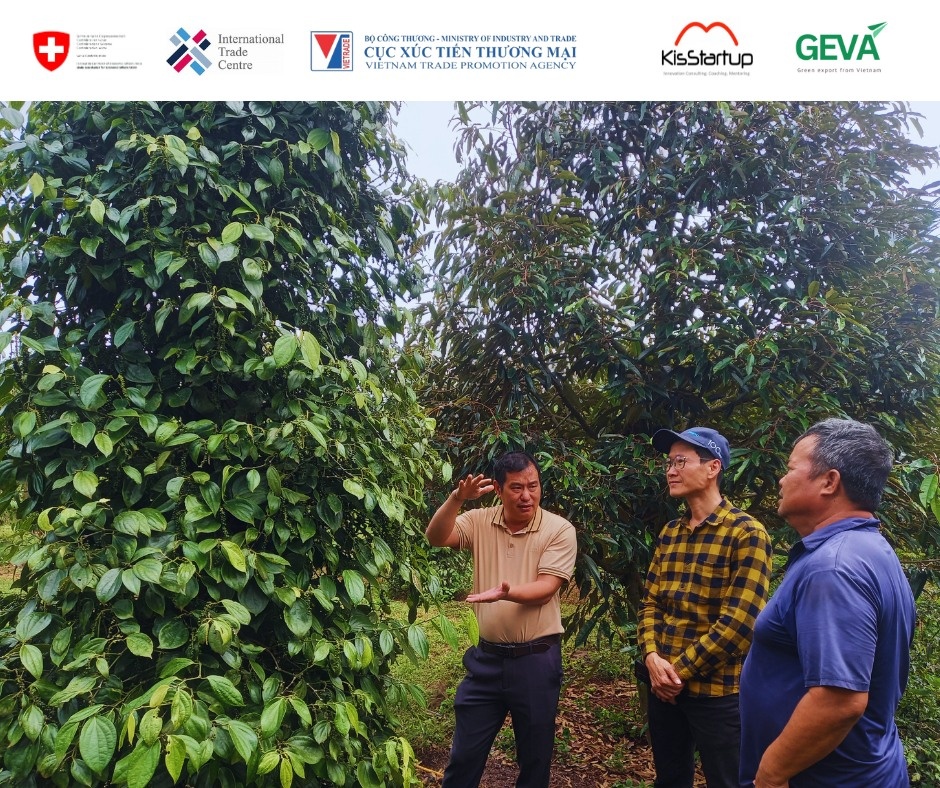
The GEVA (Green Export Incubation and Acceleration) initiative, funded by the Swiss government and initiated by KisStartup, adopts a system-wide approach. Instead of treating VSS as an end goal, the scheme positions them within a broader framework of green export capability.
Through digital tools, enterprises can assess their readiness for green exports, including business model alignment, operational capacity, and compliance with sustainability practices. In parallel, global platforms such as Standards Map are introduced to help firms identify relevant standards across different markets and sectors.
Based on these insights, companies are supported in developing structured transition roadmaps, enabling them to access export markets. Training programmes delivered across multiple provinces further strengthen knowledge on sustainable exports and business model transformation.
A notable feature of the initiative is its post-training coaching, where enterprises receive hands-on support to refine operations, integrate sustainability into production and export processes, measure environmental and social impacts, and prepare for certification and international market entry.
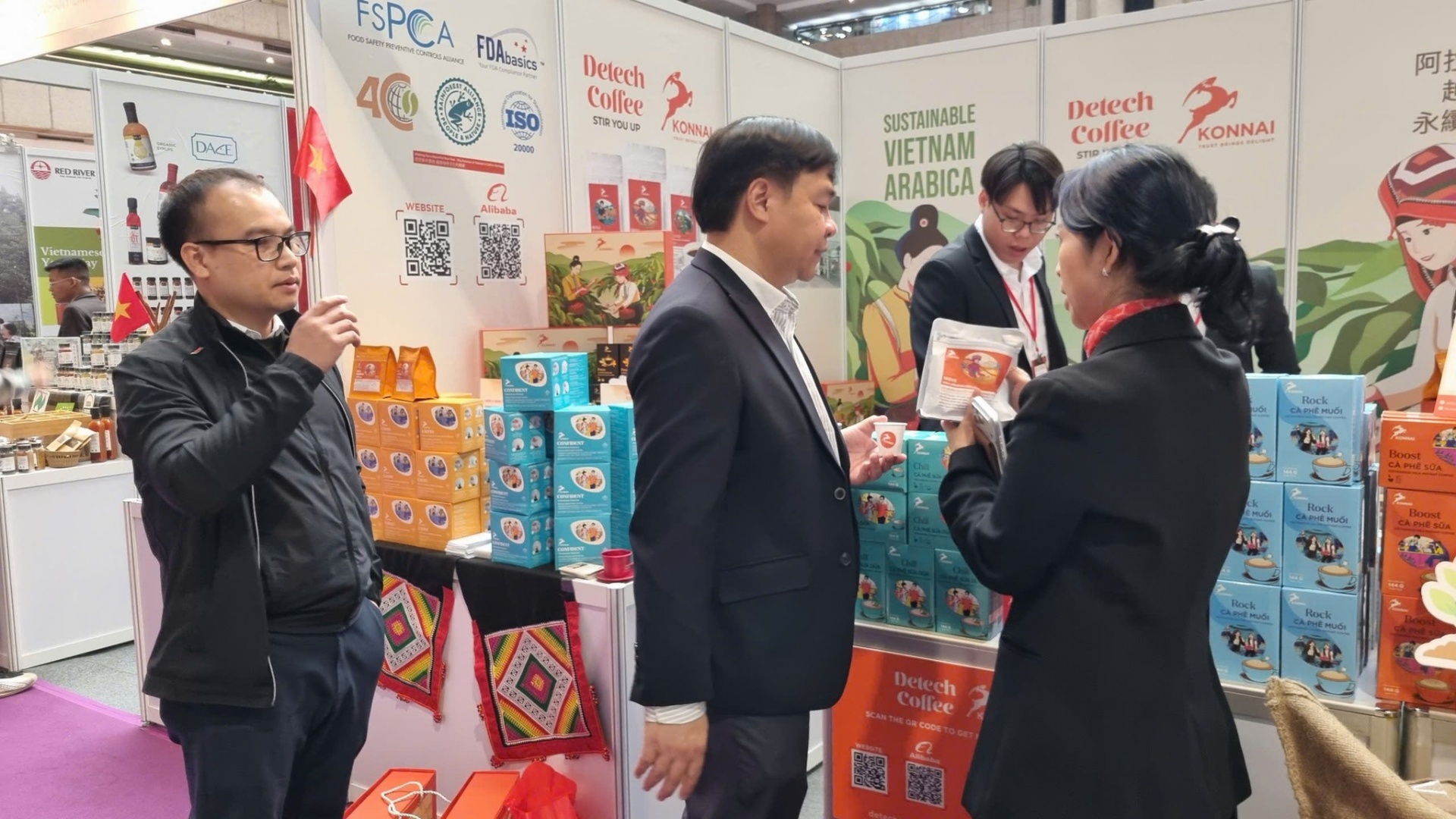 |
| GEVA-supported enterprises at the Taiwan Lunar New Year Fair, promoting products and exploring export opportunities |
Reframing sustainability standards in business strategy
Experts note that sustainability standards should be embedded within a broader business journey, starting from market demand rather than internal assumptions.
In essence, sustainable export is a business model challenge. Standards only create value when enterprises clearly understand their target customers, pricing strategies, cost structures, and risk management capacity.
An 8-step roadmap for green export readiness
A practical roadmap has been proposed to guide enterprises:
Towards long-term competitiveness
Rather than simply helping enterprises “meet standards,” the broader objective is to build lasting green export capabilities. This requires integrating sustainability into core business strategy, strengthening execution capacity, and aligning with evolving global market expectations.
 |