VIETNAM CHAMBER OF COMMERCE AND INDUSTRY
Liên Đoàn Thương Mại Và Công Nghiệp Việt Nam
Wed, Nov 12, 2025, 14:18:00
Ko Tae Yeon, chairman of the Korea Chamber of Business in Vietnam (KoCham) and general director of Heesung Electronics Vietnam, made the statement at the Vietnam Business Forum (VBF) organized in Hanoi on Monday.
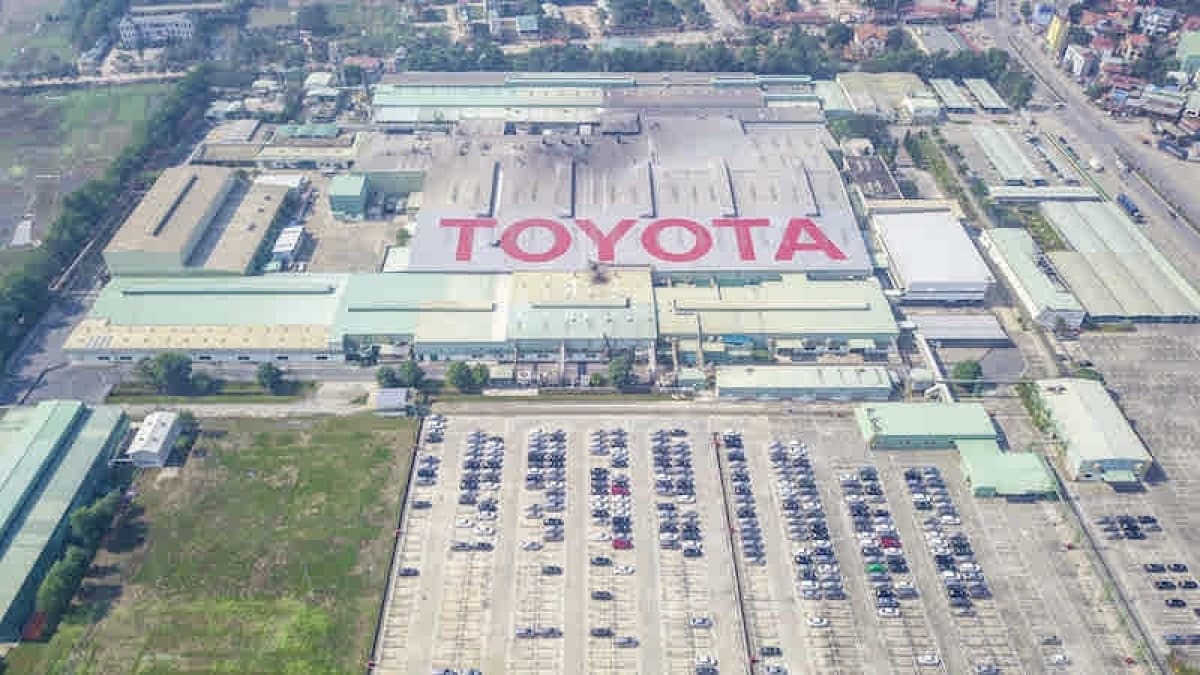
Some manufacturing companies, including those in the automobile sector, produce goods exclusively for export. However, since these products are manufactured in accordance with the standards of the importing countries, there are cases in which they cannot obtain a certificate of quality within Vietnam.
KoCham suggests the Government consider establishing an exceptional procedure that would allow the issuance of temporary license plates for products manufactured exclusively for export.
 Ko Tae Yeon, chairman of the Korea Chamber of Business in Vietnam (KoCham). Photo courtesy of the chamber.
Ko Tae Yeon mentioned delayed VAT refunds on domestic export and import transactions as the second concern that needs to be addressed promptly.
At present, many Korean enterprises are facing financial difficulties due to prolonged delays in receiving VAT refunds. In particular, there have been instances where some companies, despite having already received their refunds, were later required to return the refunded amount or pay additional taxes and penalties as a result of tax audits.
"This situation appears to stem from the fact that, at the local level, certain authorities have not fully implemented the policy intentions of the Central Government and the Prime Minister, who have consistently emphasized the importance of strong support for foreign-invested enterprises," he argued.
"From this perspective, we would also like to suggest that, for enterprises actively implementing ESG practices, the introduction of a “refund-first, verify-later” mechanism for VAT could serve as a balanced and practical approach - one that strengthens government trust in compliant enterprises while enhancing the efficiency of policy implementation."
The KoCham chairman also called for extension of the operational period for enterprises located within industrial parks.
At present, many Korean enterprises are approaching the expiration of their industrial land lease contracts or investment project terms. However, in the absence of institutional mechanisms that allow continued operations beyond the expiration of such contracts, these companies may be compelled to make unfavorable decisions, including potential withdrawal from the market.
To address this issue, KoCham proposes that enterprises whose project terms have expired be provided with guidance and allocated alternative land within the same or nearby industrial zones.
It also recommends that a formal mechanism be established to permit contract extensions for enterprises that meet specific conditions, thereby enabling them to continue their operations in a stable and sustainable manner.
In particular, the chamber suggests that priority for such extensions be granted to enterprises that have contributed to Vietnam’s economic development since the early 1990s, as well as those demonstrating a strong commitment to long-term investment in the country.
Regarding the fourth concern, Ko Tae Yeon argued that it is essential to ensure that the proposed amendments to the High-Tech Law do not undermine the investment activities of foreign direct investment (FDI) enterprises.
The draft amendment to the High-Tech Law currently under consideration by the National Assembly is a highly significant piece of legislation that has been instrumental in driving Vietnam’s technological innovation and industrial advancement. It will continue to play a pivotal role in supporting Vietnam’s transformation into an economy centered on high-techindustries in the years ahead.
However, there are growing concerns that the proposed amendments may substantially affect the investment incentives previously granted to FDI enterprises under existing commitments.
"Therefore, we respectfully request the Prime Minister’s thoughtful guidance and consideration to ensure that the amendments are formulated and implemented in a rational, transparent, and balanced manner," said Ko Tae Yeon.
The KoCham chairman mentioned the imbalance between labor supply and demand as the fifth concern.
Due to recent changes in the investment environment, enterprises are encountering increasing difficulties in securing both skilled technical personnel and general production workers.
In particular, the labor market has become increasingly unstable as a result of unregulated and excessive recruitment practices by certain companies. Consequently, skilled workers in whom enterprises have invested substantial time and resources for training are unable to remain with their employers for extended periods. This situation not only disrupts production activities but also poses a serious obstacle to the expansion of new investments.
KoCham proposes the following measures: Strengthening cooperation in vocational training and education to develop a pool of locally skilled workers; establishing mechanisms to better align labor supply and demand between rural areas and industrial zones based on actual industry needs; and providing institutional support to ensure employment stability and reduce labor turnover, thereby enabling trained workers to remain employed in a sustainable and stable manner.