VIETNAM CHAMBER OF COMMERCE AND INDUSTRY
Liên Đoàn Thương Mại Và Công Nghiệp Việt Nam
Sat, Apr 09, 2022, 15:19:00
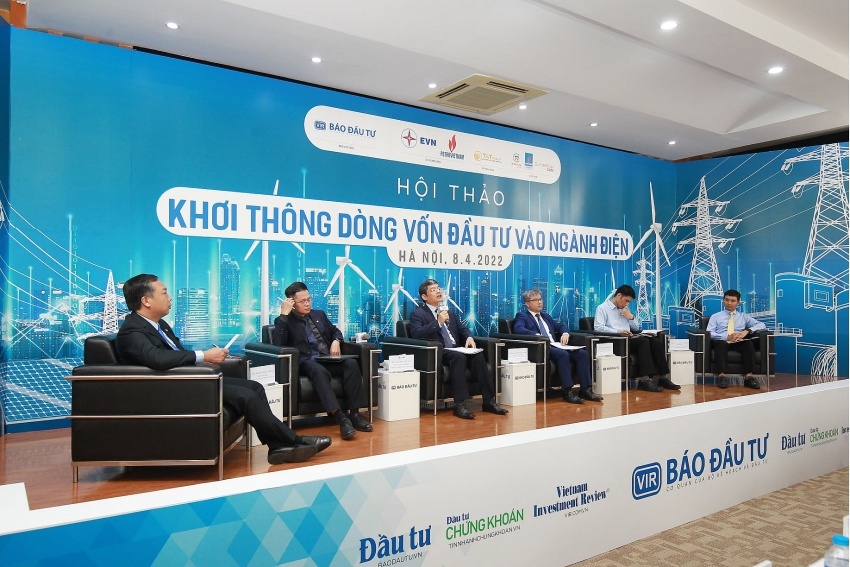
| The first part of the seminar discussed the recovery of the electricity demand for the economy |
Last month, Dragon Capital predicted that Vietnam's inflation could rise to up to 4.18 per cent following the surge in oil prices due to the Russia-Ukraine conflict. While the crisis would not directly affect the economy – as trade with these two nations only accounts for less than 2 per cent of its total – the increasing energy prices would.
“This year, we could accept no profit. However, EVN will not be able to keep the electricity price stable for all times if the increase in input costs remains a burden for business," Tai Anh said.
Deputy head of the Electricity and Renewable Energy Authority under the Ministry of Industry and Trade, Nguyen Tuan Anh, said that Vietnam needs about $142.6 billion of investment capital to develop its power industry in 2021-2030.
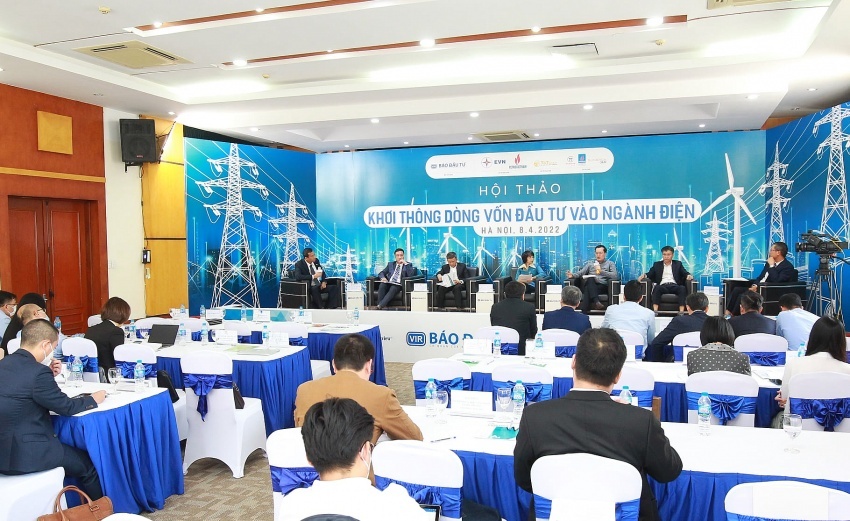
| VIR's conference also delved into ways to unlock capacity inflows for the power sector |
EVN makes up one-third of the country's share of electricity generation, while the rest belongs to other corporations such as the Vietnam Oil and Gas Group, Vinacomin, and private enterprises.
Ha Dang Son, director of the Centre for Energy and Green Growth Research, said “It is not possible for private enterprises to accept no profits as EVN commits to the government, because their investment must be profitable."
The solution, he emphasised, is to create a long-term policy mechanism and an acceptable electricity price to ensure investors' profits.
“In addition, the situation may need a bankable legal framework for high-quality energy projects to receive funding from the international market,” Son added.
The Politburo’s Resolution 55-NQ/TW from 2020 set a high priority on fast and sustainable energy development, aiming to increase the share of renewables in total energy production to 15-20 per cent by 2030, and 25-30 per cent by 2045.
Vietnam will now prioritise wind and solar power, and encourage investment in power plants using biomass and solid waste in parallel with environmental protection and the circular economy while reducing the proportion of coal-fired power.