VIETNAM CHAMBER OF COMMERCE AND INDUSTRY
Liên Đoàn Thương Mại Và Công Nghiệp Việt Nam
Mon, Jan 26, 2026, 09:16:00
At a conference held on January 22, the Ministry of Health (MoH) gathered feedback on a draft decree regulating cosmetics management, as part of efforts to modernise oversight and align it with current market realities.
Speaking at the event, Deputy Minister of Health Nguyen Tri Thuc underscored that cosmetics are essential consumer products which, beyond enhancing appearance, directly affect public health, consumer rights, and quality of life.
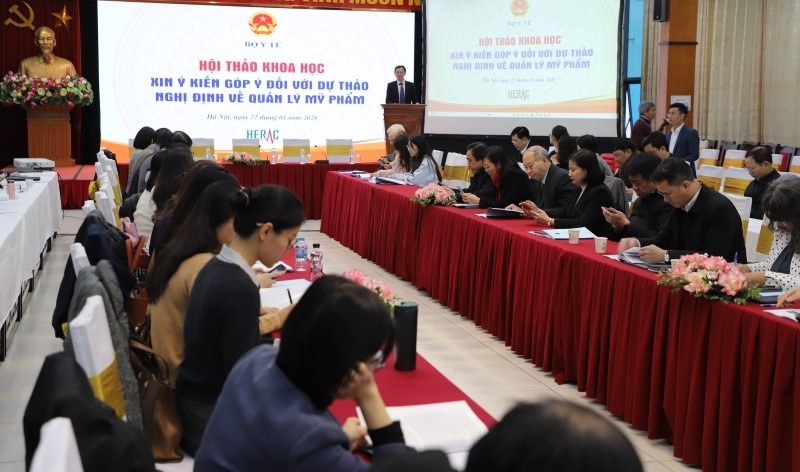 |
| Photo: MoH |
“Current practices pose many challenges to state management of cosmetics, as well as to the compliance with legal regulations by organisations and individuals producing and trading cosmetics,” he said.
Circular No.06/2011/TT-BYT on cosmetic management, issued 14 years ago, is considered outdated. As a result, on December 4, the MoH submitted a draft decree on cosmetic management to the government, incorporating feedback from multiple agencies and organisations on regulatory scope, product notifications, post-inspection, business conditions, and the balance between state oversight and a favourable business environment.
The draft aims to ensure consumer safety, promote voluntary compliance among businesses, and reduce the regulatory burden on management agencies.
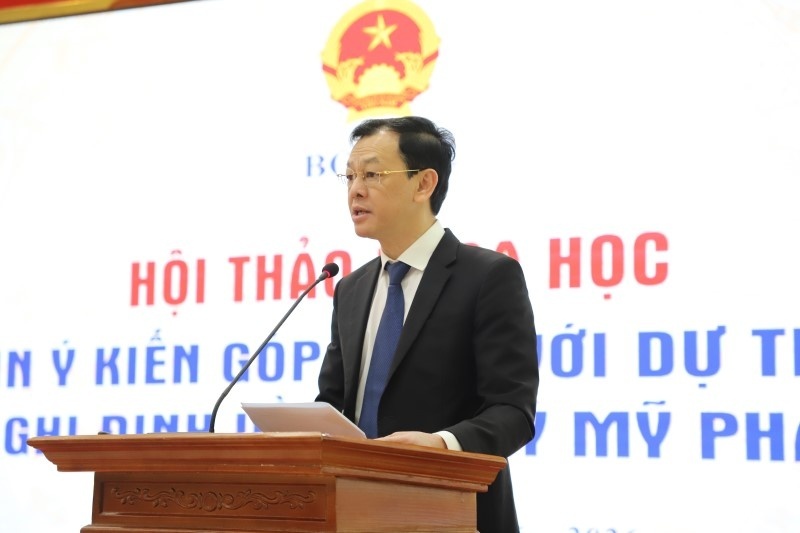 |
| Deputy Minister of Health Nguyen Tri Thuc. Photo: MoH |
"The improvement of institutional frameworks and legal regulations prioritises protecting the health of the people," said Thuc.
At the conference, experts and representatives from ministries, agencies, local health departments, and business associations shared scientific evidence and practical experience to inform the draft decree. Key discussions covered global and domestic cosmetic management practices, the draft’s constitutionality and feasibility, product declarations, and the certification of cosmetic manufacturing facilities in line with Good Manufacturing Practice standards.
They also exchanged views on potential issues that could arise if the draft decree on cosmetic management is approved, and proposed measures to address them.
The deputy minister called for further refinement of the draft towards a more modern and transparent framework, with a clear shift from pre-inspection to post-inspection and stronger accountability. He also stressed the need to align with international commitments, particularly the ASEAN Harmonisation Agreement on Cosmetic Management, and to reflect industry practices and development needs in the new phase.
The conference provides an important basis for the Ministry of Health to continue a thorough review of the draft, ensuring it is consistent, coherent, feasible, and aligned with the prime minister’s direction on administrative procedure reform.