VIETNAM CHAMBER OF COMMERCE AND INDUSTRY
Liên Đoàn Thương Mại Và Công Nghiệp Việt Nam
Tue, Jul 11, 2023, 15:34:00
The report also addresses the mismatch between the significance of ocean sustainability and the lack of attention and investment towards it.
A study conducted by the World Wildlife Fund estimated that the annual economic value of ocean-based industries is at least $2.5 trillion, making oceans the world's seventh-largest economy when ranked with national GDPs. Furthermore, the report values ocean assets at more than $24 trillion.
Recent research has also revealed that for each $1 invested in key ocean projects, at least $5 in benefits could be delivered over the next 30 years. For many economies that are reliant on the oceans' resources, marine industries play a critical role, contributing to almost half of the GDP and an even greater proportion of exports.
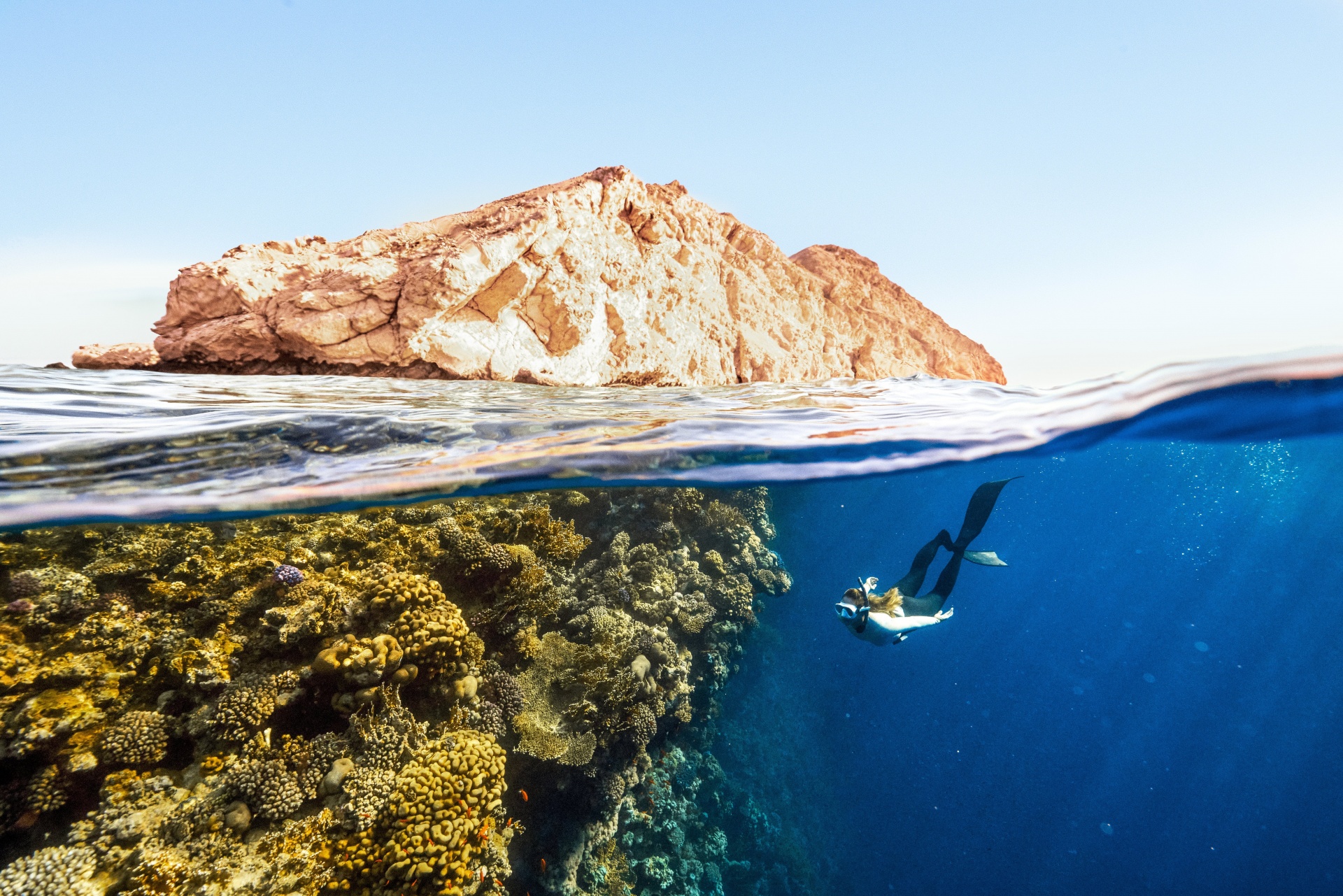
Oceans, the world’s largest ecosystem, cover over 70 per cent of the Earth’s surface and serve as home to 80 per cent of all life forms – while also generating half of the oxygen we breathe. Unfortunately, human activities have already inflicted significant damage on the aspect of it that sustains 25 per cent of all marine life.
Between 1970 and 2012, the marine population declined by almost 50 per cent and half of the world's coral has already been lost. With a 2 degrees Celsius rise in temperature, nearly all coral reefs will disappear.
Ramachandran A.S., country officer for Citi Vietnam said, "The findings presented in our report underscore the necessity of adopting a broader perspective on the ocean economy. It is crucial to address all the drivers of ocean health decline and recognise why it matters to all marine and land-based businesses."
The report examines the key drivers of the drop in the health of the world's oceans, categorised into three areas, namely over-exploitation and seascape alterations, climate change, and pollution. Importantly, the report also offers a comprehensive and detailed assessment of impact materiality and revenue exposure for various industries.
Vietnam has formulated a strategic plan for the sustainable development of its marine economy, with a focus on environmental protection and the growth of marine-based industries. The plan extends until 2030, with a vision until 2045.
Citi’s report emphasises the potential of new financial mechanisms, such as debt-for-nature swaps and blue bonds, to mobilise substantial capital. These innovative approaches, combined with emerging industries, offer significant economic opportunities.
Given Vietnam's extensive coastline, the country is well positioned to establish a sustainable ocean economy, which can play a pivotal role in addressing climate and biodiversity challenges, while also creating millions of new jobs over the coming years.
The report serves as a powerful call to action, urging businesses and financial institutions to recognise the urgency of supporting the sustainable development of the ocean economy. By understanding the drivers of ocean health decline and driving conservation efforts, companies, governments, and financial institutions can contribute to the creation of a resilient and thriving marine ecosystem for future generations.