VIETNAM CHAMBER OF COMMERCE AND INDUSTRY
Liên Đoàn Thương Mại Và Công Nghiệp Việt Nam
Wed, Oct 15, 2025, 10:35:00
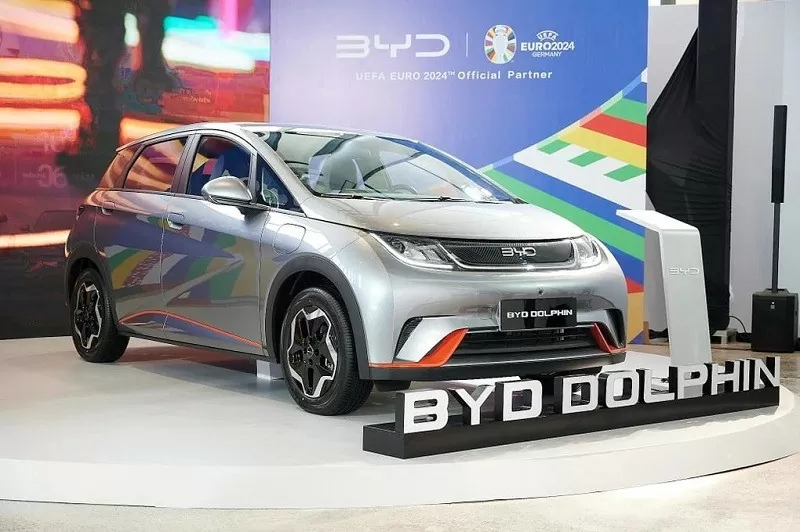 |
| BYD Korea, which started its vehicle delivery to customers in March, sold a total of 2,967 EVs through September. |
The new paradigm is driven by outstanding sales growth of Tesla’s Model Y. The vehicle is assembled in the carmaker’s Gigafactory in Shanghai.
According to data from market tracker CarIsYou, sales of imported EVs in Korea soared 73 percent between January and September from a year earlier, led by strong demand for Tesla’s midsize electric SUV. The U.S. EV maker posted a 572.6 percent jump in sales during the same period.
Tesla has surpassed Korea's top two foreign import brands - BMW and Mercedes-Benz - and the gap is widening rapidly, driven by the growing popularity of its Model Y. In September alone, Tesla sold 8,361 Model Y vehicles, outpacing most other best-selling EVs not only from the two German carmakers, but also from Hyundai Motor Group.
Mercedes-Benz's E200 sedan came in second with 1,981 sales last month, followed by 1,539 from BMW's 520 midsize sedan.
Of particular note, the Tesla EV outsold Hyundai Motor’s Grandeur sedan and Avante compact sedan during the same period. The two vehicles are long beloved by Korean customers and their symbolic position here remains stronger than imported cars.
Tesla sold a total of 37,035 Model Y vehicles in Korea over the first nine months of this year, the highest among all EVs sold in Korea. Kia’s EV3 compact electric SUV came in second with 18,732 and Hyundai Motor’s IONIQ 5 rounded out the top three with 12,204.
BYD is another major Chinese EV posing an increasing threat to Korean and foreign EV makers. BYD Korea, which started its vehicle delivery to customers in March, sold a total of 2,967 EVs through September.
The Chinese EV maker’s Sealion 7 midsize SUV also reported solid sales of 825 last month, becoming the nation’s third best-selling imported EV during the same period.
Despite past prejudices toward the Chinese EV maker, the sales figure indicates that Korean consumers are becoming increasingly accepting of Chinese-made EVs, industry officials said.
“Made-in-China EVs seem to have built their own identity in Korea, driven by their steady sales growth, a development few expected a few years ago," an industry official said.
“Traditional luxury carmakers and domestic firms may lose more market share to these China-made vehicles as EVs become mainstream.”