VIETNAM CHAMBER OF COMMERCE AND INDUSTRY
Liên Đoàn Thương Mại Và Công Nghiệp Việt Nam
Tue, Jun 04, 2024, 02:53:00
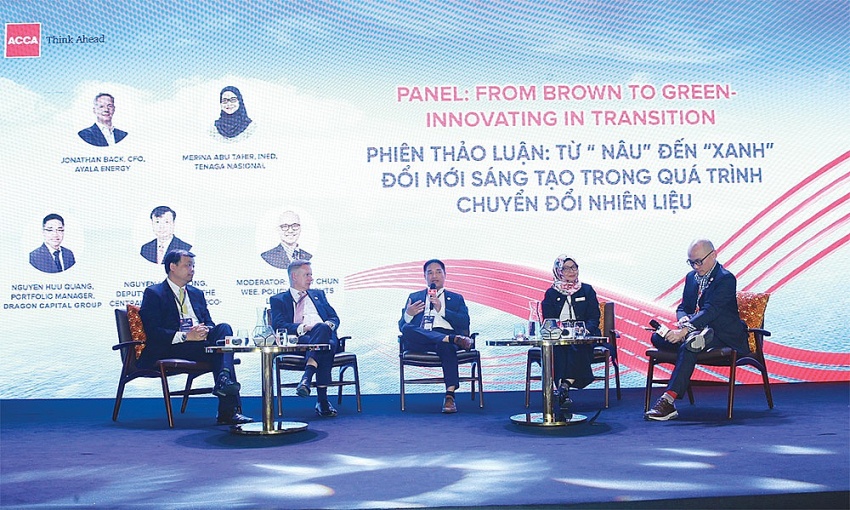
At a panel discussion titled “From brown to green – Innovating in transition” held by the Association of Chartered Certified Accountants (ACCA) last week, Jonathan Back, CFO at ACEN Corporation, a Philippines-based energy firm under Ayala Group, said that Southeast Asian countries had fast growth rates and were increasingly embracing the green economy, but the pace of change in Vietnam made it a stand-out example.
| Sustainability standards must be adhered to for companies to maintain supply chain status |
“With its policy of reducing dependence on coal-fired power plants and promoting renewable energy, the Vietnamese government has many preferential policies for renewable energy project developers, including feed-in tariff prices, which have been appreciated since the very beginnings of the energy transition,” Back said.
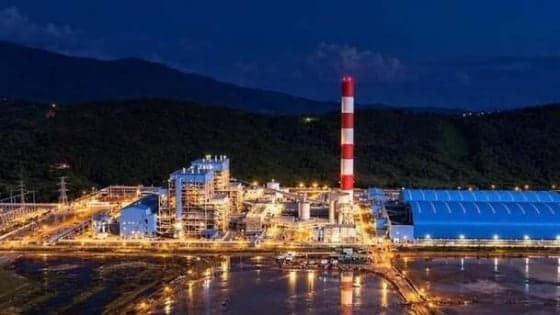
The transition from brown to green is a process of reducing dependence on fossil fuels and creating green energy sources for replacement, especially amid a surge in power demand, with Vietnam said to be making great strides.
“Electricity consumption has been increasing remarkably every year, and the countries that have presence in Vietnam, such as Indonesia, India, and Australia, have many favourable opportunities in the renewable energy sector,” Back said.
Over its six years of operating in Vietnam, Ayala has built seven renewable energy plants in Vietnam, thanks to the numerous policies for renewable energy development put forward by the Vietnamese government. A year ago, it completed the purchase of nine solar farms from Super Energy to become the largest renewable energy developer in the country.
Discussing the green energy transition in Vietnam, Nguyen Hoa Cuong, deputy director of the Central Institute for Economic Management under the Ministry of Planning and Investment, said, “The northeastern province of Quang Ninh is an outstanding case. It has specific advantages in coal production and developing coal power plants. However despite this, local authorities are making great efforts to switch to green energy and pursue a circular economy.”
Over the last five years, Quang Ninh has stood at the top of the provincial rankings in terms of its business environment, competitiveness, and digital economic development.
Businesses are also on board with transforming to a more green and digital environment to be competitive in the global economy and deeply partake in supply chains, as it is increasingly a mandatory requirement.
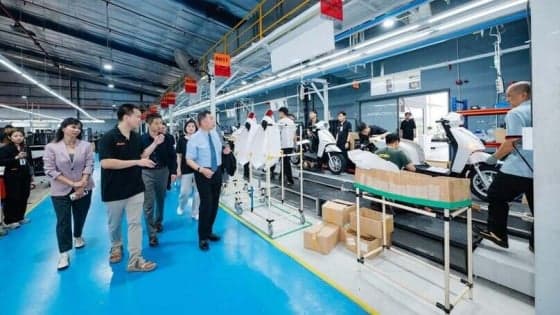
Claudia Anselmi, general manager of Hung Yen Knitting & Dyeing Co., Ltd, and vice president of the European Chamber of Commerce in Vietnam, said environmental, social, and governance (ESG) practices were a key part of her business.
“To have a certain position in the supply chain, sustainability standards must be followed, which is a requirement for us to move towards green and digital transition. If we don’t do this, we will fail.”
She revealed several obstacles in practising ESG and sustainable development strategies, as not all businesses had the resources or suitable personnel to carry such ideas forwards.
“The initial investment cost is too high for machinery, tech, and energy equipment. It is a complex system, requiring a lot of capital, calculating the returns, and taking a lot of time before putting things into operation,” Anselmi said. “Additionally, accessing green financial capital in Vietnam is difficult. Capital flows for green credit only account for about 4-5 per cent of the entire market’s credit capital, which is very small.”
This is a real challenge for businesses because capital is a prerequisite for any investment, business, and development decision. The support of the entire system is needed, from finance and accounting to legal regulations. This is a long journey that requires significant support, Anselmi added.