VIETNAM CHAMBER OF COMMERCE AND INDUSTRY
Liên Đoàn Thương Mại Và Công Nghiệp Việt Nam
Sat, Aug 17, 2024, 03:58:00
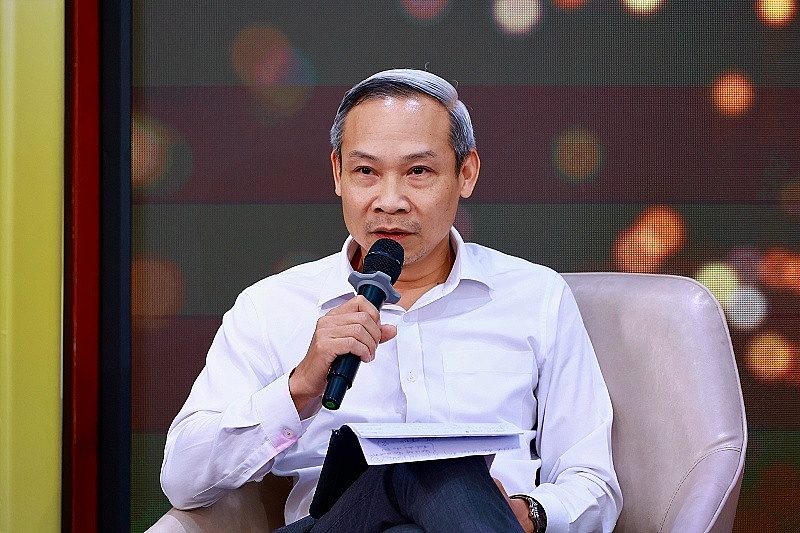
| Phan Duc Hieu, standing member of the Economic Committee of the National Assembly |
The comment was shared by Phan Duc Hieu, a standing member of the National Assembly's Economic Committee, at a VIR conference themed “Tax Amendments to Promote Business Activities” on August 14.
During the conference, Hieu clarified five points that should be addressed before the SCT on alcohol is amended.
“Along with the two plans already put forward, we should add an alternative that would be applied over the next two or three years so that businesses and manufacturers have enough time to adapt,” Hieu said.
“Secondly, policymakers need to clarify the maximum tax level to be applied by 2030. If it is too high, it will impact business operations, causing a drop in their revenue and, in turn, less revenue for the state from taxes. The new SCT should also be calculated on a scientific basis,” he said.
Hieu went on to outline different tax levels for beer and alcohol. Alcohol-free beer should be exempt from the SCT, while alcoholic beer should be taxed at a lower rate than wine and spirits. This proposal may encourage manufacturers to accelerate the study of products which are less harmful to health, he said.
Hieu also emphasised the importance of reviewing import taxes for alcohol to create a fair playground for local products.
Another proposal was to increase the role of state management by punishing trade fraud and controlling the quality of home-brewed alcohol.
“Any decision to increase taxes requires careful consideration of the social impact. Maintaining the existing policy for the next few years is one of the most sustainable solutions, and has received public support. Businesses and economists also believe it would help the government to maintain revenue sources in the current difficult period,” said Hieu.
“In addition, more than ever, this is a time when the alcohol, beer, and beverage industry needs support and cooperation from the state to maintain and stabilise production, ensuring jobs. Many businesses producing Vietnamese-branded products have spent many years gaining their reputation in the domestic market, and have been gradually reaching out to the world market. In the current difficult context, we need appropriate policies for businesses to adapt, or they could lose their positions and potentially leave the market,” he said.