VIETNAM CHAMBER OF COMMERCE AND INDUSTRY
Liên Đoàn Thương Mại Và Công Nghiệp Việt Nam
Mon, Dec 29, 2025, 17:48:00
The recommendation came as experts warned that 2026 would remain challenging, with significant capital pressures and risks related to interest rates, bad debts, exchange rates, and corporate bonds, Deputy Prime Minister Ho Duc Phoc, chairman of the council, said at a meeting on Friday.

The council also suggests the Government focus on digital transformation, high-tech, information technology, digital infrastructure, and innovation.
Monetary policy should remain focused on maintaining macroeconomic stability, supporting growth, controlling inflation, and safeguarding the economy’s key balances. Fiscal policy should be expanded efficiently, while public investment disbursement should be accelerated and high-quality foreign investment attracted, Phoc said.
The Deputy PM also stressed the need to ensure the supply of goods and implement measures to boost exports effectively.
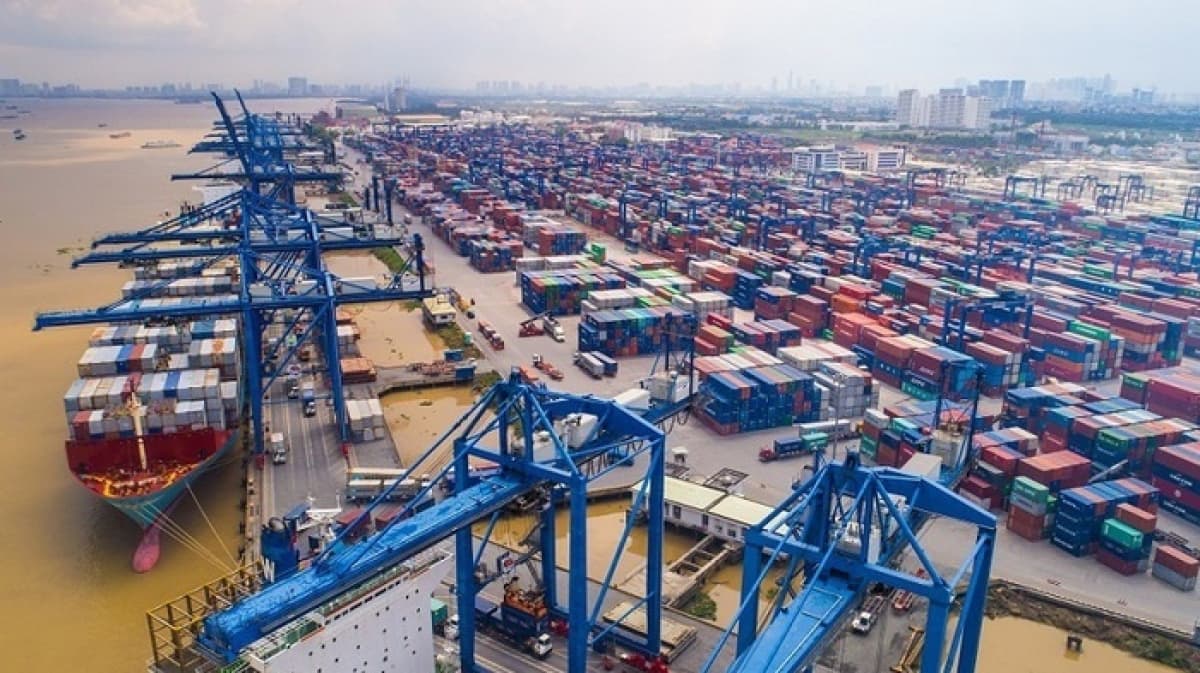
He noted that the economy is expected to grow over 8% this year, with trade turnover around $911 billion and a trade surplus of roughly $25 billion.
At the meeting, the State Bank of Vietnam, the council’s standing agency, reported that as of December 22, 2025, outstanding credit had reached VND18.37 quadrillion ($698.72 billion), up 17.65% from the end of 2024 and 19.5% year-on-year. Lending was directed toward business and priority sectors, while credit to high-risk areas remained tightly controlled.
The National Assembly -Vietnam’s legislative body - has set an economic growth target of 10% or higher for 2026, while emphasizing the need to maintain macroeconomic stability, control inflation, and safeguard major economic balances.
Vietnam’s inflation rate has yet to show a meaningful slowdown. Headline inflation rate hit 3.3% in Octover, vs average of 3.6% in 2024 and 3.26% in 2023. Main drivers continue to be costs of housing & construction materials (6.2% year-on-year average year to date; 18.8% weight) and health care (17% year-on-year average year to date; 5.4% weight), according to an UOB report released on December 22.
"Combined with the potential for decent growth prospects going into 2026 and persistent VND weakness, these factors would constrain the SBV’s ability to ease policy." As such, UOB analysts expect the central bank to keep its refinancing rate steady at 4.5%.