VIETNAM CHAMBER OF COMMERCE AND INDUSTRY
Liên Đoàn Thương Mại Và Công Nghiệp Việt Nam
Tue, Apr 04, 2023, 15:19:00
Although OXO-degradable plastics are completely non-biodegradable, adding an OXO additive helps accelerate plastic decomposition into microplastic particles, which –are harmful to both ecosystems and human health.
Over the past decades, microplastic particles have become a common pollutant in soil and water and pose a threat to both ecosystems and human health. Many scientific studies have indicated that the microplastics found in the human food chain are largely due to OXO-degradable plastics not decomposing in the natural environment.
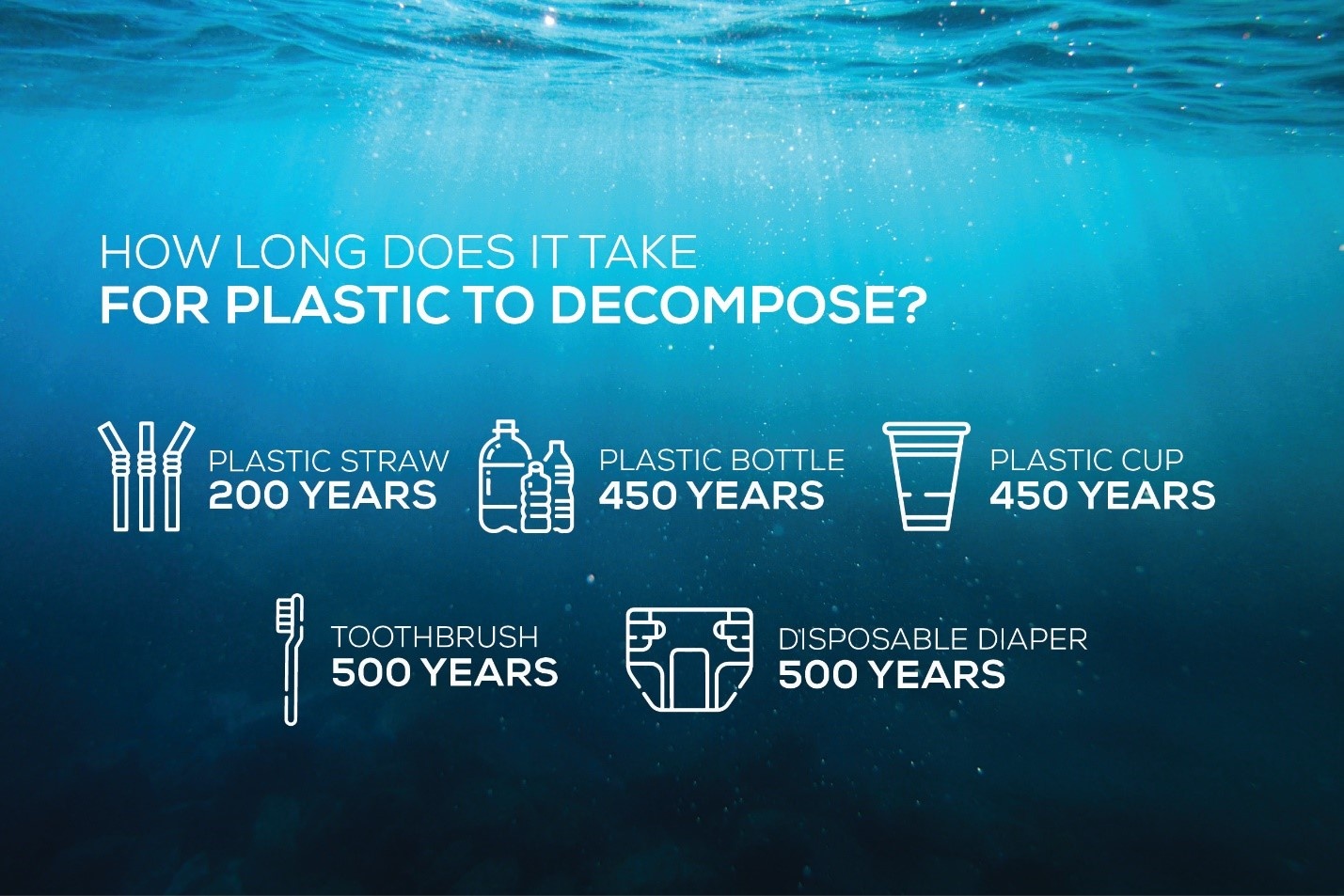
In essence, the OXO-degradable plastics cannot decompose by itself. However, when OXO additives are combined in the composition of the plastic, OXO-degradable plastics will decompose into microplastics. Microplastics can last for several hundred years and cause harm to the environment, animals, plants, and people, which affects the sustainable development. Recently, scientists have even found microplastics in human blood and vein tissue.
OXO-degradable plastics cannot completely decompose
One of the common misconceptions today is that OXO-degradable plastics are considered biodegradable plastics.
In fact, OXO-degradable plastics are made from common polymers such as PE, PP, and PS, which are mixed with OXO-degradable additives during processing. When exposed to the proper environmental factors, such as UV rays and temperature, these additives will become oxidizing agents, causing the plastic to age quickly and degrade into small plastic fragments called microplastics. However, these microplastics are still the original polymers (PE, PP, and PS), with a lifespan of up to several hundred years. They are not biodegradable and are easily released into the environment.
In essence, OXO-degradable plastics are common plastics such as PE, PP, and PS. They are completely non-biodegradable, the addition of an OXO additive facilitates plastic decomposition into microplastic particles.
Despite this drawback, OXO-degradable plastic products are still being used widely. The main reason is that they are much cheaper than other environmentally friendly products. Market surveys show that a bag of OXO-degradable plastics can be bought for about $1.50/kg, which is 4-5 times cheaper than genuinely biodegradable plastics.
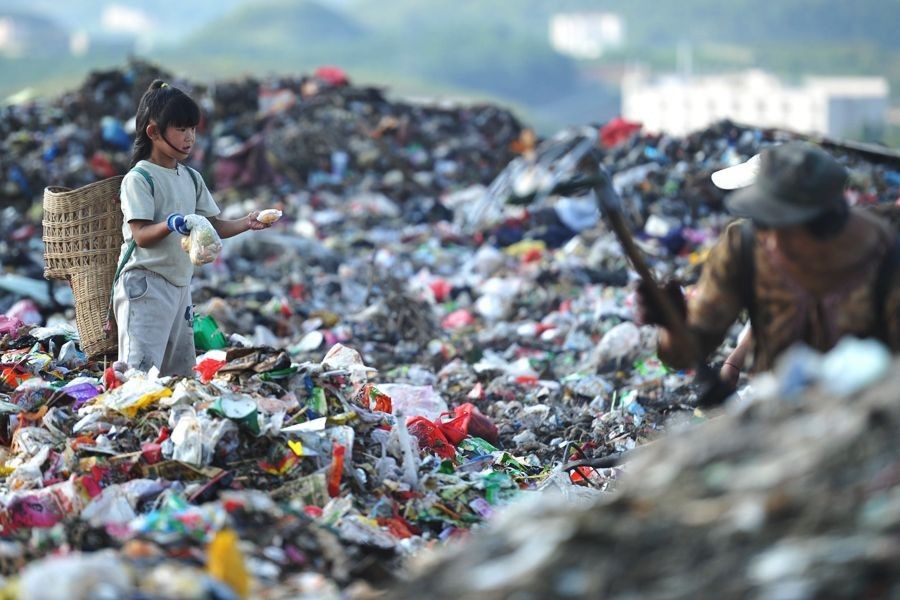
Because of their low price, products derived from OXO biodegradable plastics are still widely used in the market, which leads to incalculable harm to the environment and human health.
Dang Thi Kim Chi from the Advisory Council for Science, Education, and Environment under the Vietnam Fatherland Front Central Committee said, when OXO-degradable plastics were first launched, they are welcomed by the market for their ability to be degraded into small plastic pieces. However, their non-degradable and non-recyclable nature greatly increases the number of microplastics in the environment, thereby causing long-term harm to the ecosystem.
Many parts of the world have recognised that OXO-degradable plastics could not decompose, so they have banned the use of this plastic, including the EU, Australia, Canada, South Korea, and Thailand.
Vietnam steps up the fight against plastic waste
However, in Vietnam, the use of OXO-degradable plastics continues. Thus, it poses a threat to the environment, human health, and the country's sustainable development.
According to Chi, Vietnam is not immune to the global trend of banning the use and consumption of such plastic bags, ultimately switch to using bags made from biodegradable plastics.
At COP26, Vietnam announced its commitment to achieve net-zero emissions by 2050. To realise this goal, the country is stepping up the fight against plastic waste. However, it needs the involvement of everyone to opt for biodegradable plastic products instead of OXO-degradable plastic products.
There has been increasing demand from consumers to use sustainable products. However, many people cannot distinguish between OXO-degradable and biodegradable plastics. OXO-degradable plastics decompose into microplastics, which take decades, or even up to a century, to degrade.
This inexpensive product has an enormous negative impact on the environment. Thus, customers need education on how to recognise and choose items that are both environmentally and biologically friendly. The output of biodegradable plastics is expected to rise by up to 20 per cent to meet the customer demand.