VIETNAM CHAMBER OF COMMERCE AND INDUSTRY
Liên Đoàn Thương Mại Và Công Nghiệp Việt Nam
Sat, Feb 25, 2023, 14:40:00
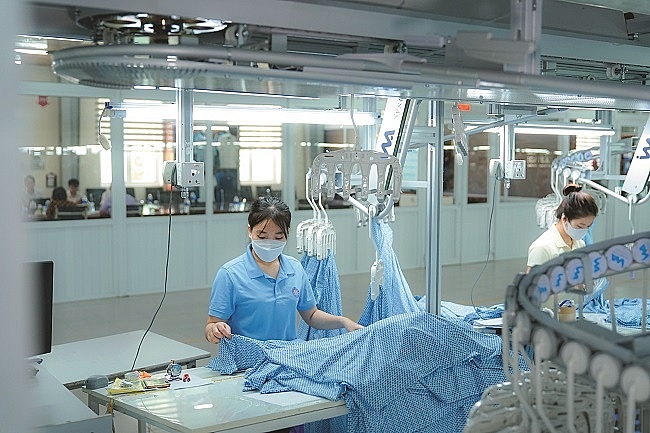
The Vietnamese leather and footwear industry exported goods worth close to $24 billion last year, marking an increase of nearly 35 per cent compared to 2021. However, since the fourth quarter of last year, facing the impact of inflation, Vietnam’s main export markets such as the US, EU, and Japan have reduced consumption.
"The export target in 2023 is more challenging as we are faced with reduced global consumption and enterprises face difficulties in accessing loans and rising production costs," said Thuan.
Last month, footwear exports saw a significant drop, reaching $1.6 billion, down 17.7 per cent over the same period last year. Exports of bags, suitcases, and umbrellas have also seen a downturn, touching $320 million, down 18.3 per cent on-year. This is due in part to the timing of the Lunar New Year, but also the signifiant drop in the number and value of orders. The index of industrial production for January decreased by 14.6 per cent on-month and by 8 per cent compared to January 2022.
Taiwanese shoemaker PouYuen Vietnam is a major contributor to foreign direct investment (FDI) in the footwear industry in Vietnam, with annual revenue of about $1 billion. The company announced it was cutting 3,000 jobs this month and won't be extending labour contracts for a further 3,000 workers later this year, blaming it on a shortfall of orders.
PouYuen is not the only manufacturer impacted by reduced orders, many smaller enterprises have also had to reduce their workforce. Another Taiwanese shoemaker, Ty Hung company in Ho Chi Minh City, cut just under 1,200 workers due to a loss of business last November.
The World Bank and the International Monetary Fund lowered their estimations for global growth last month, with the possibility that the world economy might enter recession. This will further reduce the demand for goods and affect the available investment capital for many countries, including Vietnam.
Additionally, China's return to production is expected to cause a sharp increase in supply before any expected recovery for demand, putting yet more pressure on manufacturers.